





Nanoengineered thyme essential oil as a potent antimicrobial strategy against multidrug-resistant Shiga toxin-producing Escherichia coli isolated from raw milk and dairy products

Research Abstract

Shiga toxin-producing Escherichia coli (STEC) is a major foodborne pathogen associated with dairy products, while the increasing prevalence of multidrug-resistant (MDR) strains has intensified the need for effective natural antimicrobial alternatives. This study investigated the occurrence, molecular characteristics, antimicrobial resistance, and virulence profiles of STEC isolated from raw milk, yogurt, and Kareish cheese, and evaluated the antibacterial efficacy of a thyme essential oil nanoemulsion. Nineteen E. coli isolates were recovered, with isolation rates of 26.66%, 23.33%, and 13.33% from raw milk, yogurt, and Kareish cheese, respectively. Antimicrobial susceptibility testing revealed high resistance to ampicillin (100%), sulfamethoxazole-trimethoprim (94.7%), penicillin (89.5%), and amoxicillin (78.9%), with five isolates exhibiting multidrug-resistant phenotypes. Molecular analysis identified the stx1 gene in 42.1%, 15.78%, and 21.05% of isolates from raw milk, yogurt, and Kareish cheese, respectively, whereas eaeA was detected in only 10.5% of isolates and stx2 was not detected. GC–MS analysis identified thymol (37.5 ± 1.2%) and carvacrol (15.0 ± 0.8%) as the predominant bioactive constituents of thyme essential oil. The nanoemulsion exhibited a mean hydrodynamic diameter of 135.7 ± 23.04 nm, a PDI of 0.251, spherical morphology with a core particle size of 35.45 nm, and significantly enhanced antibacterial activity compared with the free essential oil by reducing the minimum inhibitory concentration from 0.19 ± 0.006 to 0.009 ± 0.0006 mg/mL (P < 0.001) and increasing the inhibition zone from 29 ± 1 to 32 ± 1 mm. Scanning electron microscopy confirmed extensive membrane disruption and severe morphological damage in treated bacterial cells. Data were analyzed using one-way analysis of variance (ANOVA) followed by Tukey's multiple comparison test. Collectively, these findings demonstrate that thyme essential oil nanoemulsion is a promising clean-label antimicrobial strategy for controlling multidrug-resistant STEC and improving the microbiological safety of dairy products.

Research Authors
Shimaa Faried
Research Date
Research Journal
international dairy journal
Research Member
Research Pages
10
Research Publisher
Elsevier
Research Rank
Q2
Research Vol
182
Research Website
: www.elsevier.com/locate/idairyj
Research Year
2026
Studying the effect of chronic toxicity of monosodium glutamate on interleukin-10 and interleukin-17 in albino Wistar rats

Research Abstract

Objective

This study aimed to assess the effect of chronic administration of Monosodium Glutamate (MSG) on blood cells, thymus, spleen, and inflammatory indicators through interleukin (IL)-17 and interleukin (IL)-10 gene expression levels in blood and in thymic and spleen tissues in male Wistar rats.

Methods

Rats were treated with MSG orally once daily for 90 days at two different doses with and without probiotic supplementation (Bacillus Subtilis and Bacillus Pumilus). Blood samples were collected for CBC, IL-10, and IL-17 gene expression in blood. The spleen and thymus were taken for histological and immunohistochemical studies.

Results

WBC results showed no significant difference among groups. A statistically significant higher mean IL-10 was observed among the low dose with probiotic (group 4) compared to other groups. There was a significantly higher mean of IL17 among low dose without probiotic (group 2). The mean level of IL-17 was high among group 4. Sections from thymus and spleen of MSG groups showed histological derangement. Immunohistochemical staining in tissues supported the observed gene expression levels in blood. Groups with higher cytokine gene expression generally showed stronger tissue staining, confirming consistency between transcription and protein levels and this strengthens interpretation of MSG-induced immune alterations.

Conclusion

High-dose MSG was associated with a decreased level of IL-10 with various degrees of tissue inflammation. Adding probiotics to low-dose MSG resulted in increased levels of IL-10 in blood. The low serum level of IL-17 in the high-dose MSG groups was associated with high degrees of inflammation with little improvement with probiotic.

Research Authors
Fatma Sayed Abd-Elsamea, Asmaa HM Soliman, Asmaa Abdo Abdelrahman, Omar Ali Mohamed Farghaly, Mostafa Sabry, Asmaa A Rayan
Research Journal
Immunopharmacology and Immunotoxicology
Research Member
Research Pages
148-163
Research Publisher
Taylor & Francis
Research Rank
International
Research Vol
48 (1)
Research Year
2026
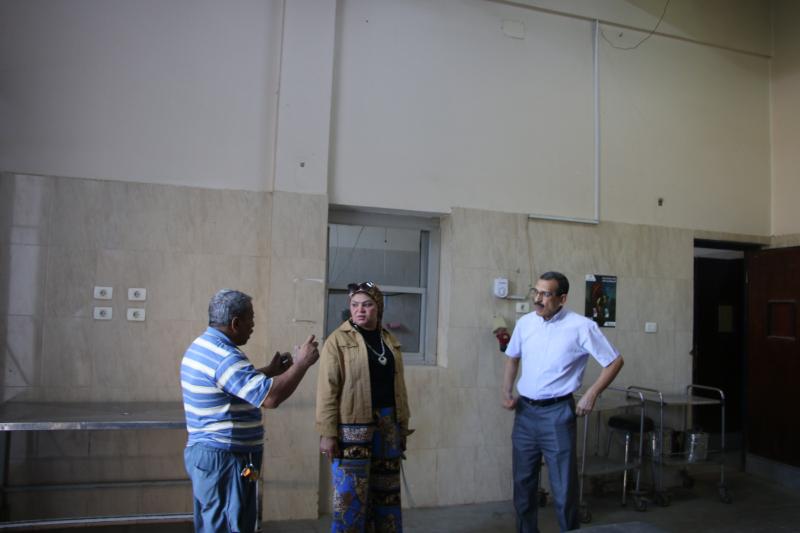
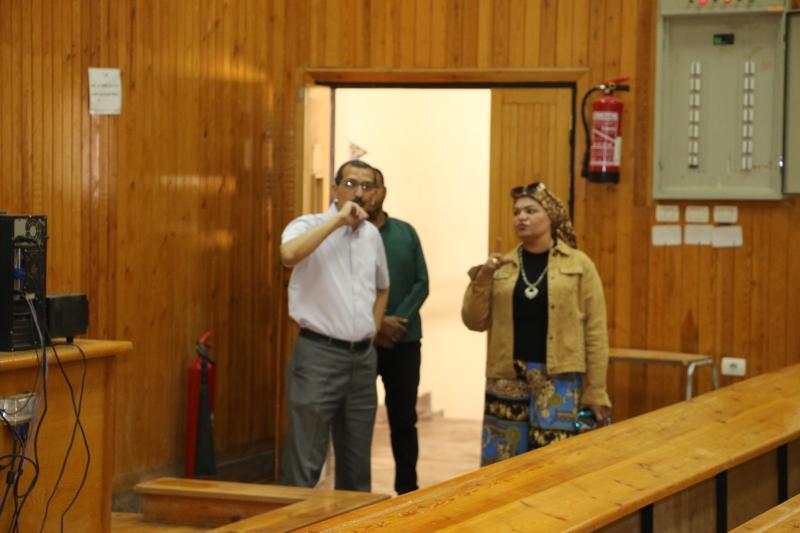
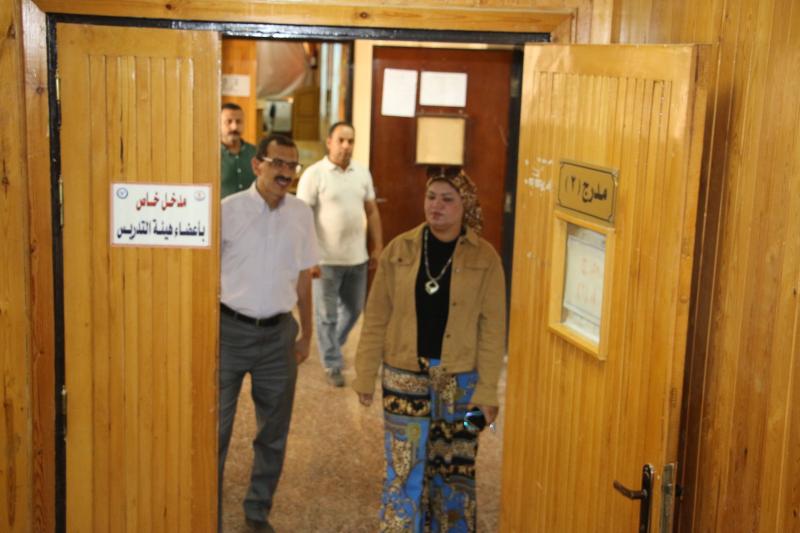
The Dean of the College inspects the readiness of educational facilities and units within the framework of preparations for the new academic year 2026-2027

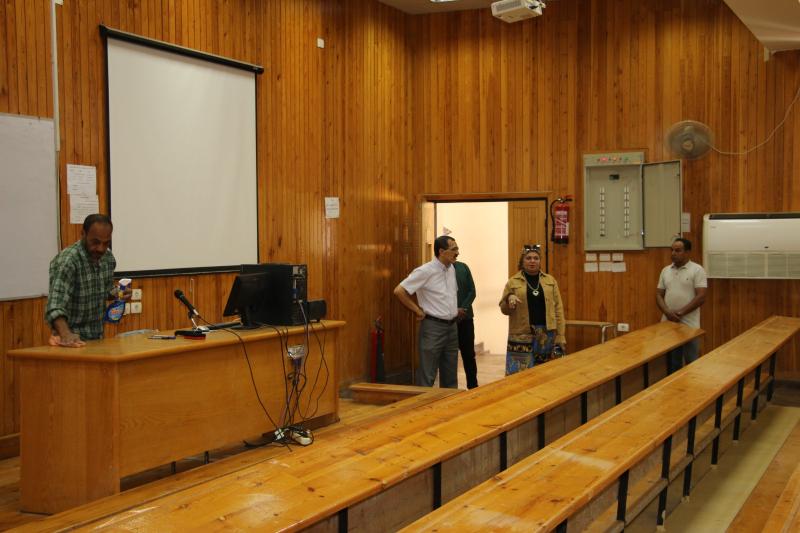
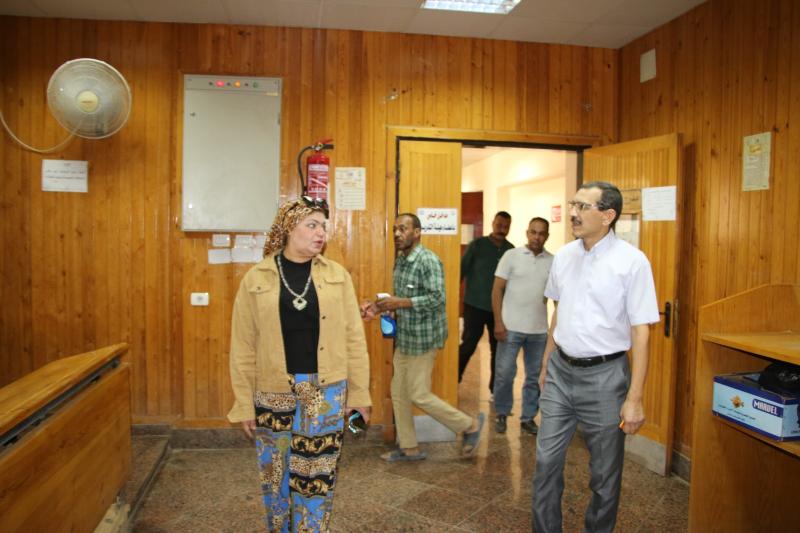
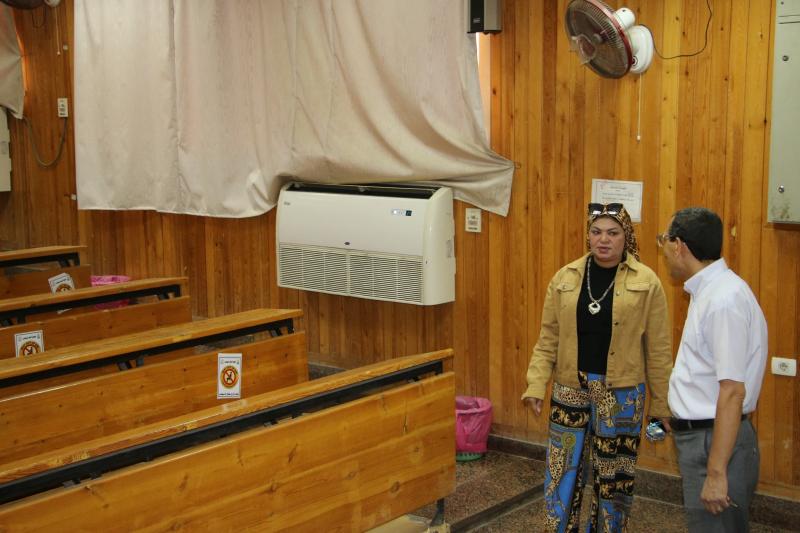
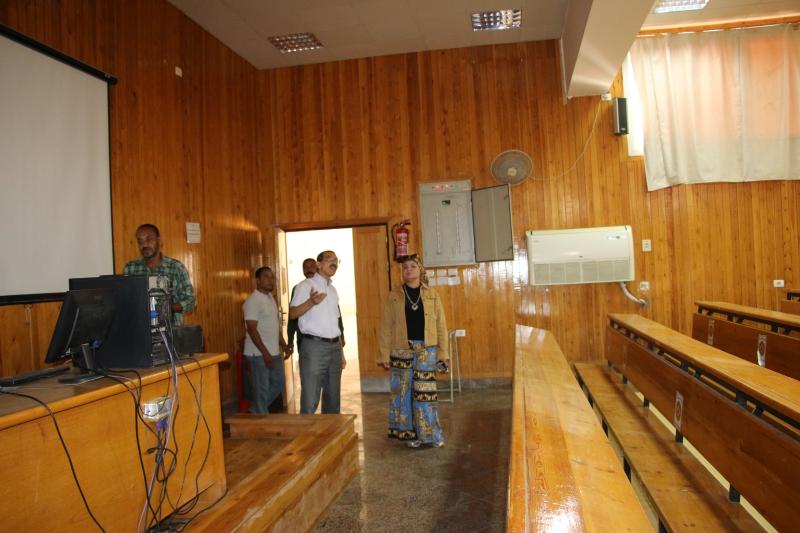
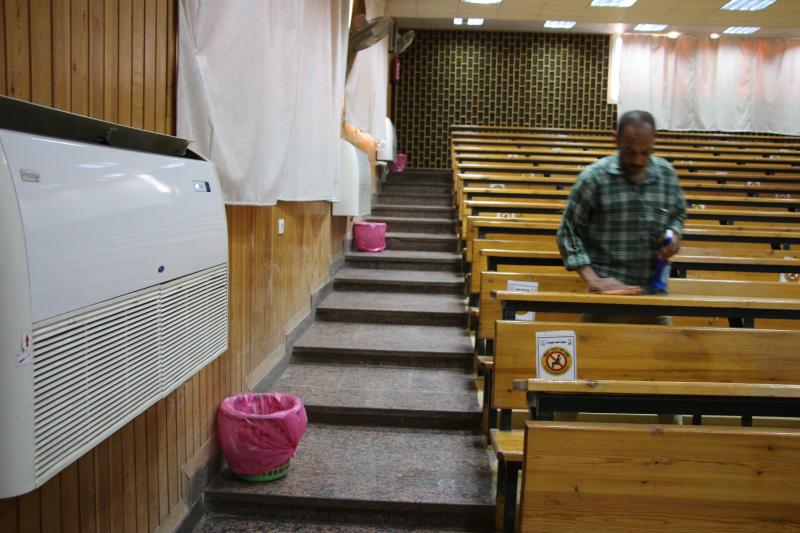
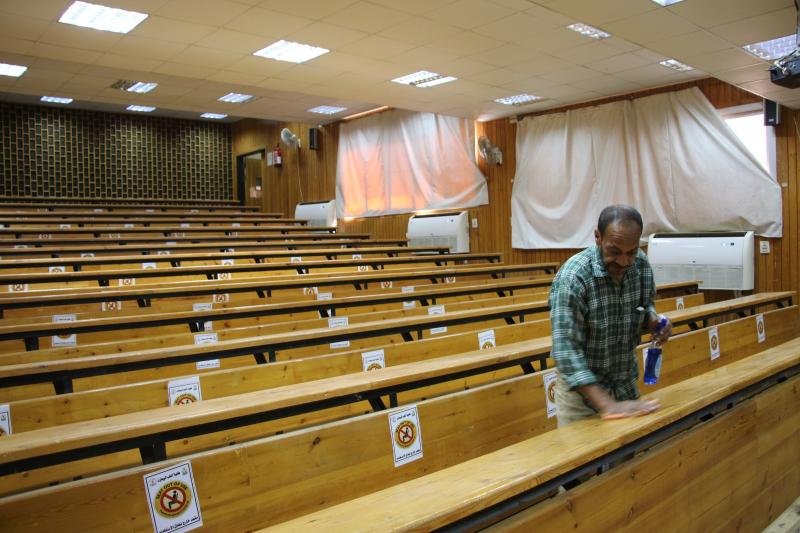
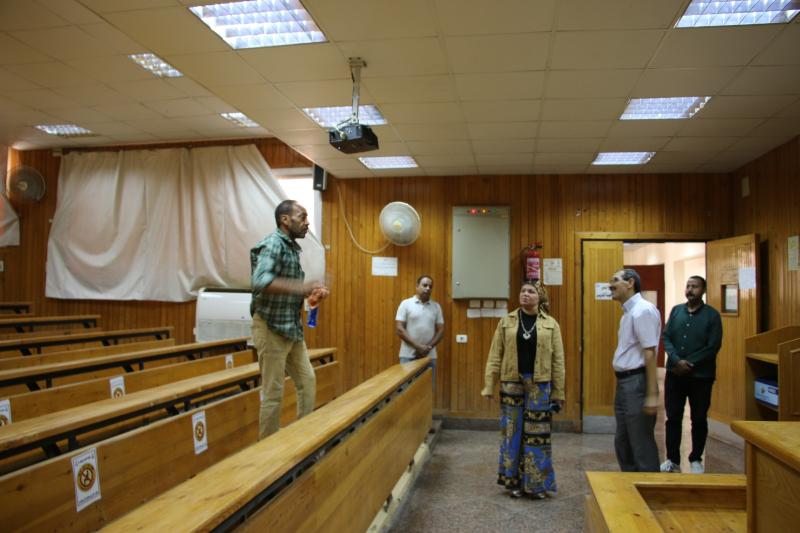
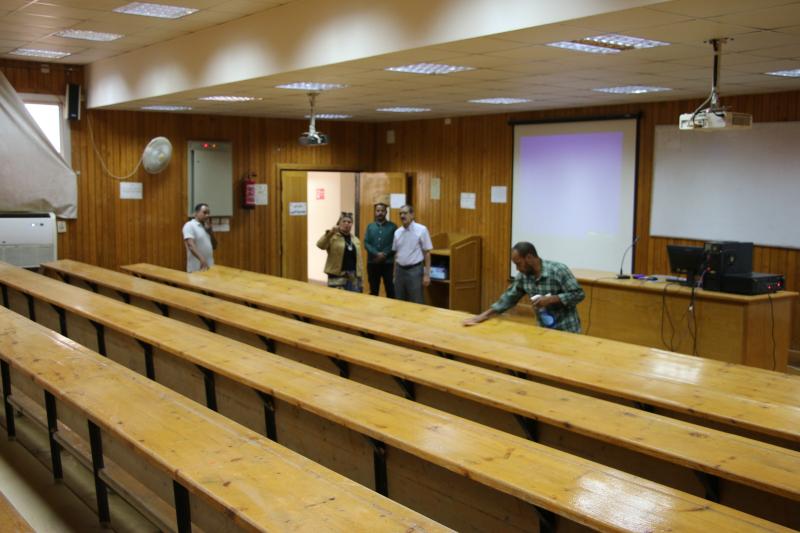
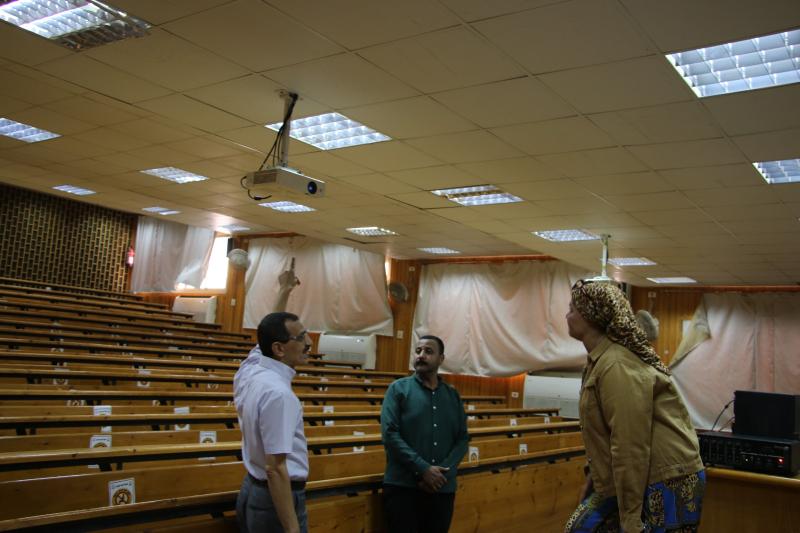
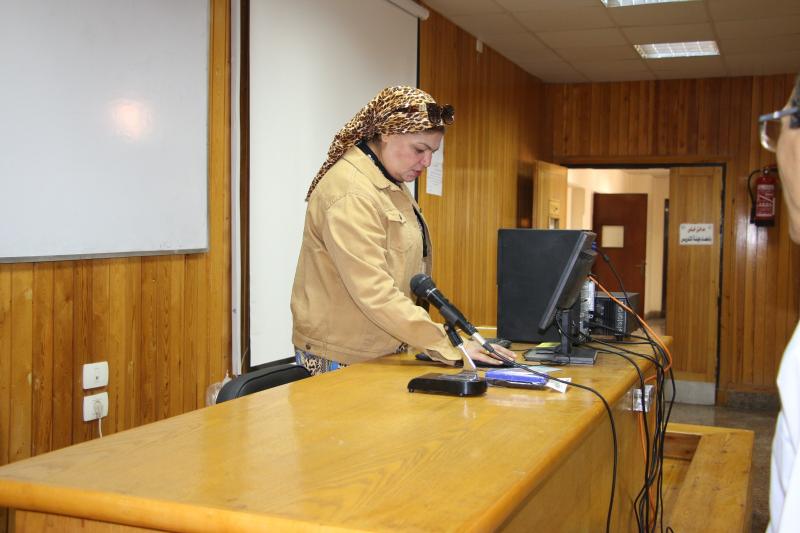
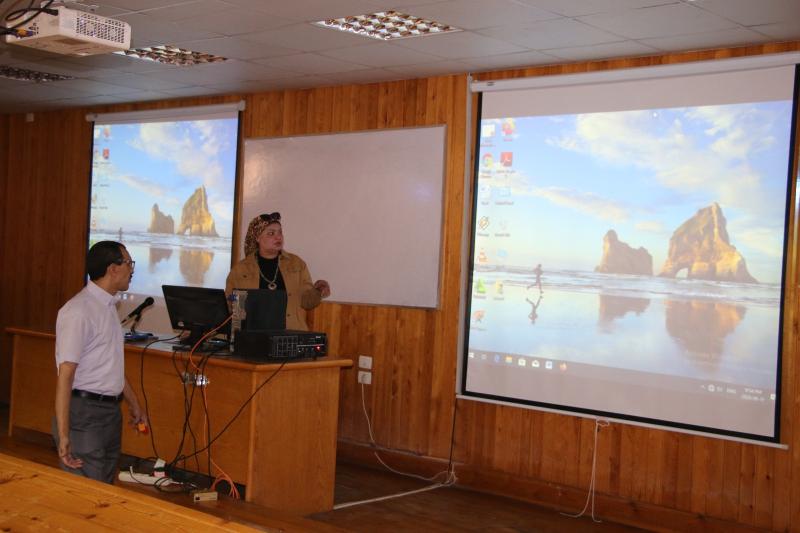
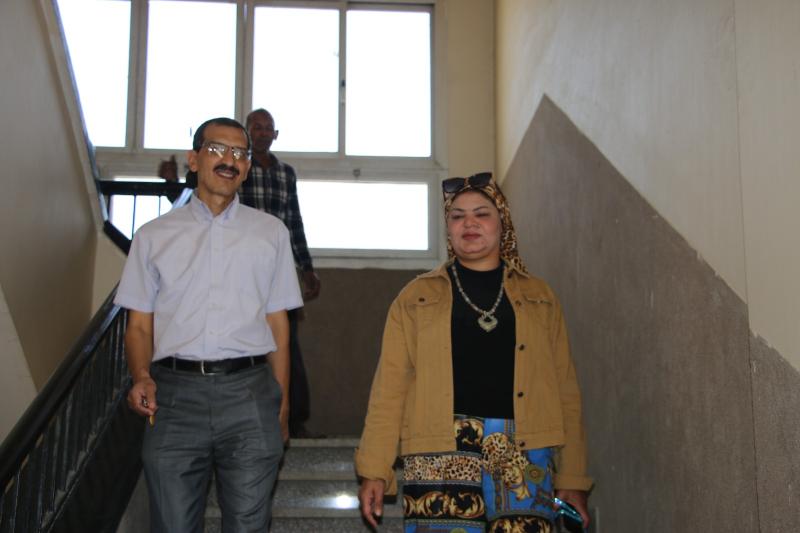
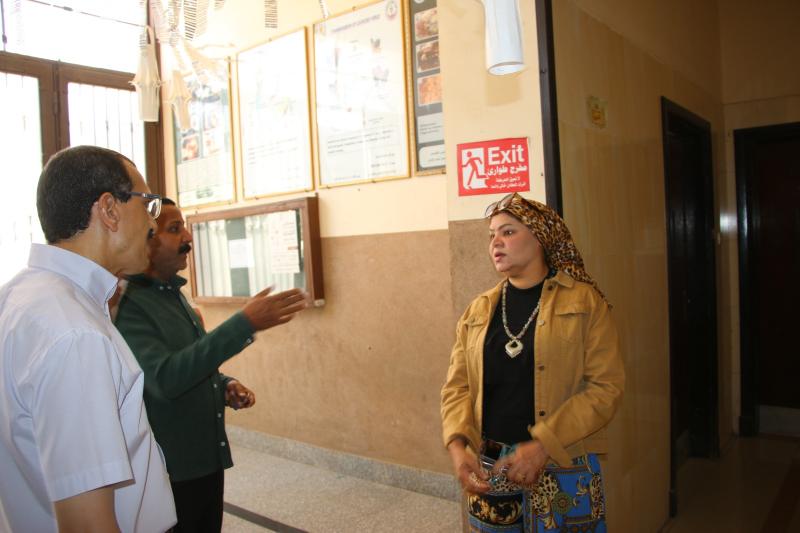
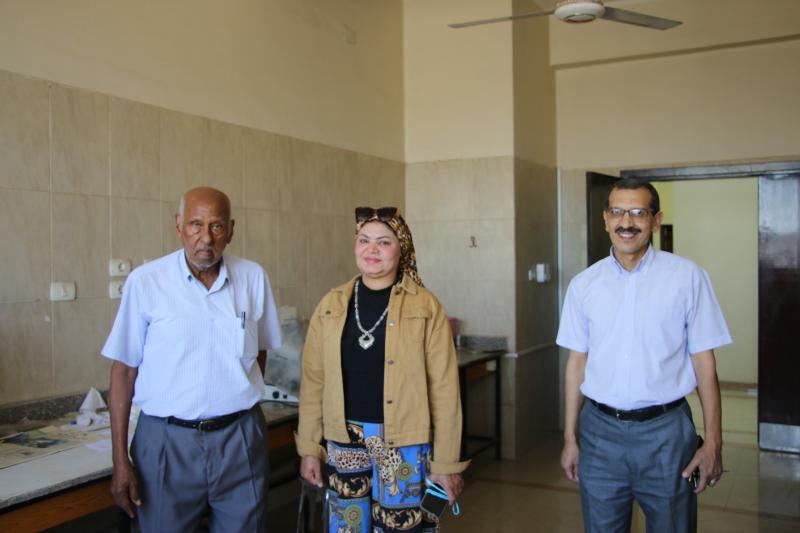
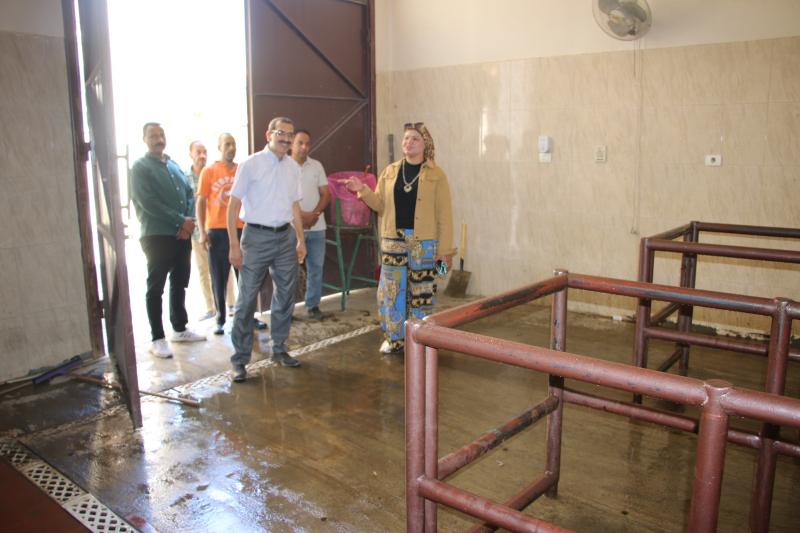
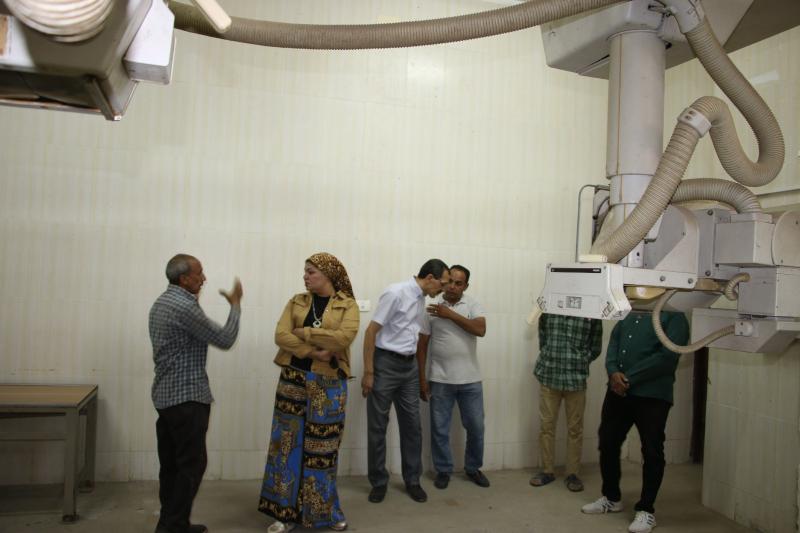
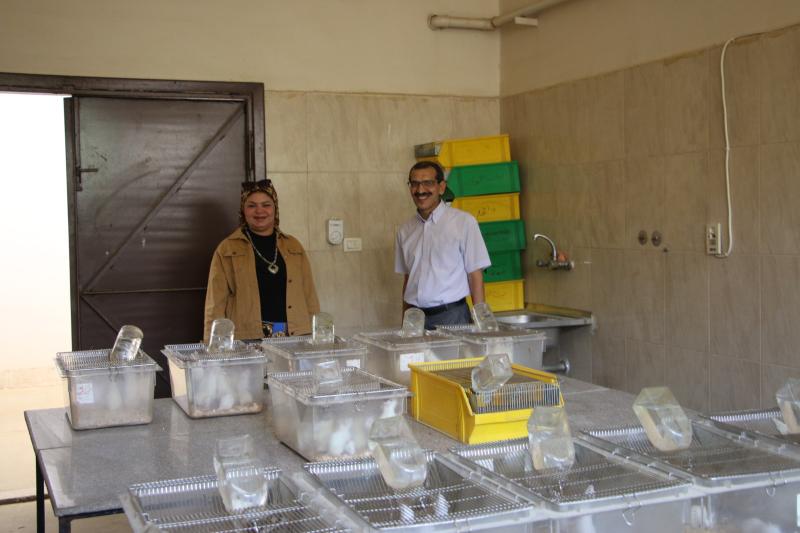
Within the framework of the keenness of the college administration to provide a safe and distinguished educational environment, and to complete the intensive preparations to receive the new academic year,  Prof. Dr.  Enas Ahmed Abdel Hafez, Dean of the College, conducted an  extensive inspection tour to follow up on the readiness of educational facilities and units, and to check on their readiness to receive students and the regularity of the educational process from the first day.

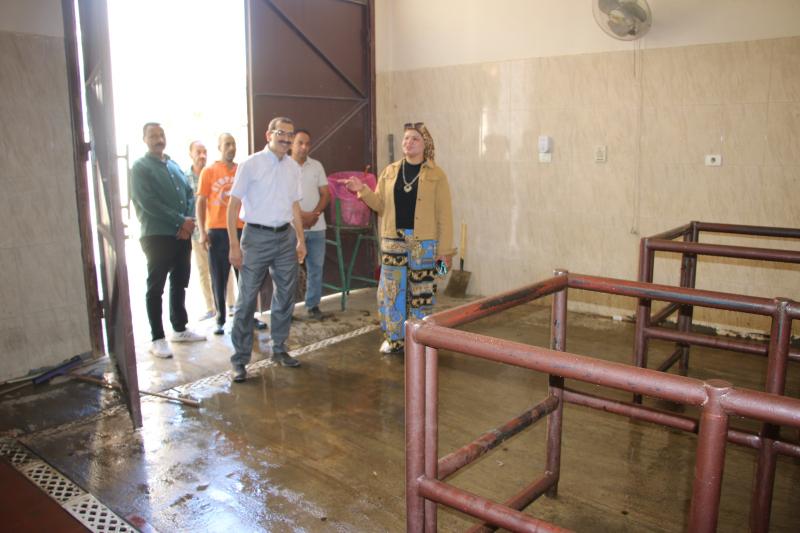
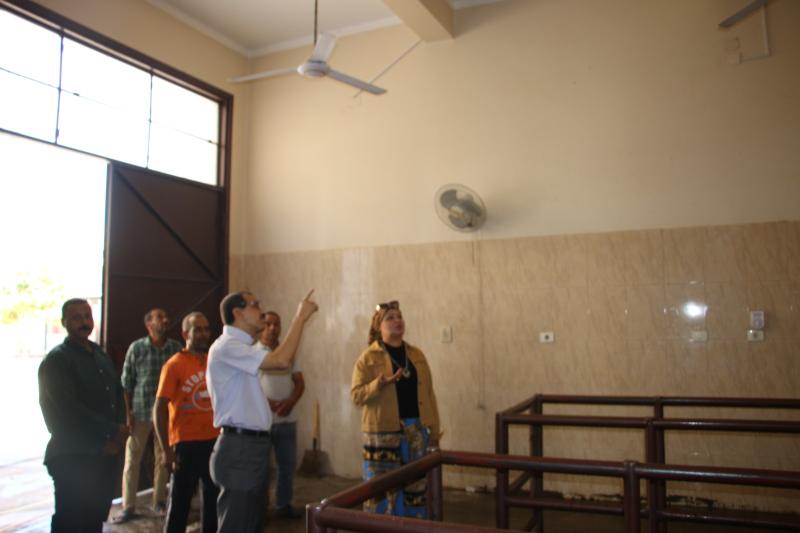
The tour included laboratories, terraces, buildings and educational facilities, an animal house, and the diagnostic radiology unit, where His  Excellency was keen  to inspect the equipment and facilities, check on the maintenance work, ensure the availability of safety and security requirements, in addition to following up on the regularity and proper functioning of work in various sectors.

This came in the presence of Prof. Dr. Mahmoud Mustafa,  Director of the Veterinary Teaching Hospital, where during the tour, the readiness of the facilities and related equipment was assessed, and the necessary preparations were followed up to ensure the regularity of work and provide a safe and suitable environment for students and workers.

Prof.   Dr. Enas Ahmed Abdel Hafez, Dean of the College, also directed the need to complete all equipment and maintenance works within the specified times, and to deal immediately with any observations that may affect the efficiency of operation or the safety of students and workers, stressing that creating a safe and integrated educational environment is a key priority to ensure a successful start to the new academic year.

This tour comes within the framework of the educational preparations for the new academic year, and the keenness of the college administration to ensure the readiness of various facilities, units and equipment that serve the educational and training process, in a way that contributes to providing an integrated academic environment that supports the quality of education and training.

At the end of the tour, the college's administration confirmed that it will continue to exert all efforts to complete educational preparations, improve the level of performance, and provide a safe and stimulating educational environment, in line with the aspirations of its students and support the college's march towards more excellence, quality and leadership.


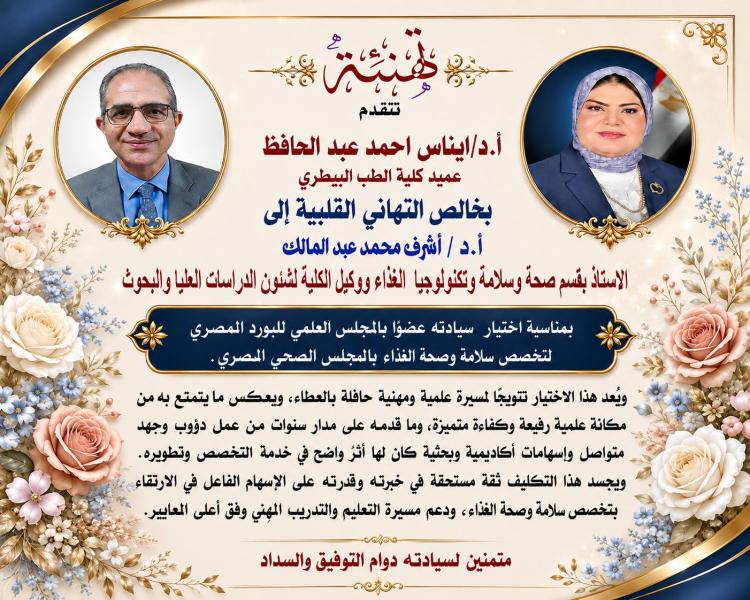
Congratulations from the Dean of the College to Professor Ashraf Mohamed Abdel-Malek, Vice Dean for Graduate Studies and Research, on his selection to the Scientific Council of the Egyptian Board.

Congratulations from the Dean of the College to Professor Ashraf Mohamed Abdel-Malek, Vice Dean for Graduate Studies and Research, on his selection to the Scientific Council of the Egyptian Board.


Subscribe to