Research

The main interest of research in our department is the application of recent pathological research methodologies to understand the pathogenesis, improve the diagnosis and predict the prognosis of human disease.

The department collaborates with other clinical departments in different research fields and theses. It also provides research opportunities for postgraduates and staff from the department and from any other discipline both from Egypt and abroad.

The main research facilities available at the department:

  1. Histopathological examination and evaluation of tissues .
  2. Cytopathological assessment of exfoliative and FNA cytology.
  3. immunohistochemical – based researches.
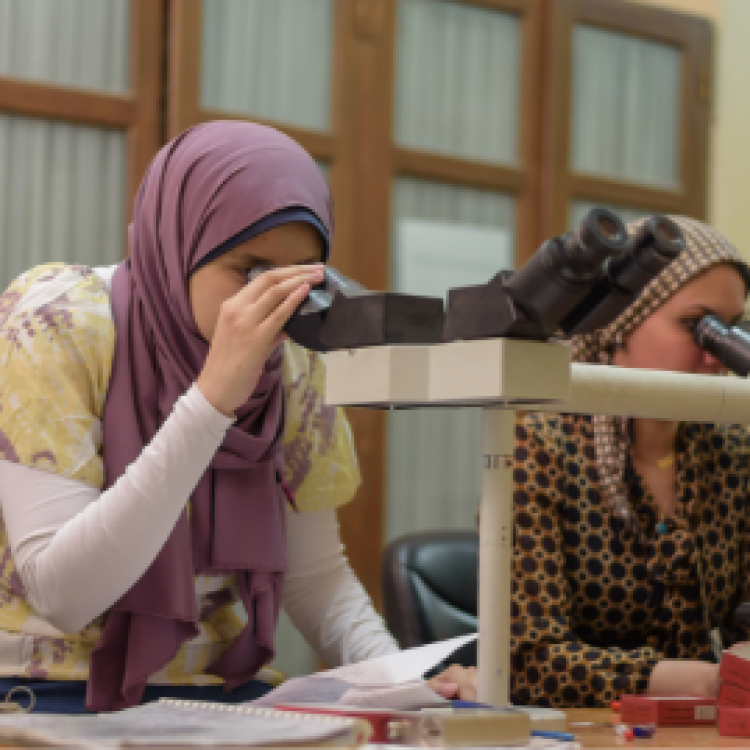
         Research Plan

# Title Research Year
401 Touch imprint cytologic preparations and the diagnosis of head and neck mass lesions 2005
402 Transforming growth factor-beta and malignant melanoma: molecular mechanisms, 2005
403 Tumour-infiltrating lymphocytes and melanoma tumorigenesis: an insight 2005
404 Ultrastructural evaluation of the radioprotective effects of melatonin against X-ray-induced skin damage in Albino rats, 2005
405 Ultraviolet radiation and skin cancer: molecular mechanisms 2005
406 Vascular Endothelial Adhesion Molecule -1, Fibronectin Levels and placental bed biopsy in Pre-eclampsia and Eclampsia 2005
407 “Analysis of the mononuclear inflammatory cell infiltrate in the cirrhotic, dysplastic nodules and hepatocellular carcinomas in patients with chronic hepatitis C infection”. 2005
408 “Analysis of the mononuclear inflammatory cell infiltrate in the cirrhotic, dysplastic nodules and hepatocellular carcinomas in patients with chronic hepatitis C infection”. 2005
409 ”Analysis of the Mononuclear Inflammatory Cell Infiltrate in the Non-Tumorigenic, Pre-Tumorigenic and Tumorigenic Keratinocytic Hyperproliferative Lesions of the Skin” 2005
410 ”Analysis of the Mononuclear Inflammatory Cell Infiltrate in the Non-Tumorigenic, Pre-Tumorigenic and Tumorigenic Keratinocytic Hyperproliferative Lesions of the Skin” 2005