 Do you have any questions?

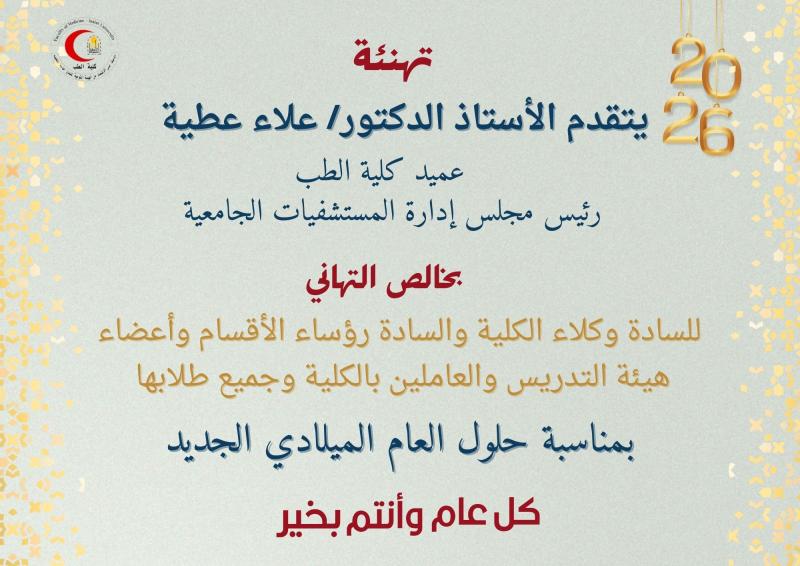
Happy New Year




Aim: The study aims to evaluate the pattern of cardiac affection among Down Syndrome pediatric patients. Methods: A case series study included 102 children was conducted in tertiary University Hospital between Feburary 2022 and June 2023. The questionnaire was used including the socio-demographic characteristics, nutritional history, motor development, mental and social development and examination. Results: The current study recruited a total of 102 children with Down syndrome. A total of (45.1%) patients had clinically cardiac affection and (54.90%) without cardiac affection. The participiants majority were < 1 years old (63.7%), males (58.8%) and majority of patients came from rural areas (87.3%). Majority of mothers were multiparous (27.45%) The current study found that advanced age of the mother not a risk factor for occurrence of Down syndrome as the study reveal median maternal age 35.5(18-50) and had Down syndrome child. In the current study was found that Breast Feeding was fairly common in those children (31.4%) but with no significant difference between those with cardiac affection and those without cardiac affection. Both groups had insignificant differences as regard demographic, obstetric and comorbidities with exception of residence where majority of both groups came from rural areas with higher frequency of rural residency among those without cardiac affection (94.65 vs. 78.3%; p= 0.01). In the current study found that the most frequency cardiac lesions were ASD with VSD that present in (45.7%) children, isolated ASD (15.2%), isolated VSD (6.5%) and VSD& PFO (6.5%).
Few data are available concerning the roles of polymorphisms of inosine triphosphatase (ITPA) gene and ribavirin (RBV) transporter genes in the prediction of RBV‐induced anaemia among Egyptians with chronic hepatitis C (CHC). Genotyping of three ITPA gene variants and two variants of RBV transporter genes has been performed in 123 patients under pegylated interferon‐α/ribavirin treatment. The baseline haemoglobin and ITPA rs1127354 CA/AA have been found as predictors of anaemia at 4, 8 and 12 weeks of RBV therapy. In addition, ITPA rs7270101 AC/CC and age predicted anaemia after 12 weeks of therapy. In conclusion, the ITPA variant rs1127354C>A significantly predict RBV‐induced anaemia during the first 3 months of treatment and it is recommended to be assessed before RBV administration
Glucocorticoid use is the main cause of secondary osteoporosis. This study aimed to assess the potential protective effects of tocotrienols (T) and CoQ10(C), singly and in combination, against dexamethasone (DEX)-induced osteoporosis in rats and their possible mechanisms. Thirty adult male albino rats were divided into five groups: control group (CON), DEX-treated group received DEX (2.5 mg/kg) intramuscularly twice weekly. The DEX+C, DEX+T, and DEX+TC groups received DEX with T (60 mg/kg), C (20 mg/kg) daily, and their combination respectively, daily orally for 8 weeks. Results revealed that T, C and TC ameliorated DEX-induced osteoporosis through improved osteocalcin (OC), alkaline phosphatase (ALP), Ca and TAC serum levels. Restoration of the expression levels of Nrf2, LC3, and Bcl-2 and improved histological structure of the bones were observed. The combination of the drugs was more effective than each single agent. Both drugs might be promising agents as prophylaxis against osteoporosis via suppressing oxidative stress and apoptosis and enhancing autophagy.
Purpose: Neuropathic pain is characterized by poor treatment response. While previous studies on granulocyte colony-stimulating factor (GCSF) have primarily explored its effects on peripheral nerves, recent evidence suggests the central nervous system, particularly the brainstem pons, plays a crucial role in neuropathic pain modulation. This study investigated the effects of GCSF on the pons and sciatic nerve to alleviate neuropathic pain. Methods: Four groups of rats were created: the normal control, sham group, neuropathic group induced by chronic constriction injury of the sciatic nerve (CCI), and the GCSF-treated group received 50 μg/kg of GCSF subcutaneously starting on the 7th day of CCI for 5 consecutive days. Experimental testing for heat hyperalgesia, mechanical allodynia and mechanical hyperalgesia was performed. Immunohistochemical analyses were conducted to evaluate the central (pons) expression of glial fibrillary acidic protein (GFAP), proliferating cell nuclear antigen (PCNA), and S100 protein in the peripheral (sciatic nerve) tissues. Results: GCSF significantly alleviated heat hyperalgesia, mechanical allodynia, and mechanical hyperalgesia in CCI rats. In the pons, GCSF reduced GFAP expression, indicating inhibition of astrogliosis, and enhanced PCNA expression, suggesting promotion of neurogenesis. In the sciatic nerve, S100 expression was markedly elevated, implying enhanced remyelination. Conclusion: GCSF alleviates neuropathic pain not only by modulating peripheral nerve repair but also by inhibiting pontine astrogliosis and promoting central neuronal regeneration. These findings suggest GCSF may be a promising therapeutic agent for central and peripheral components of neuropathic pain.