

SDG1
Details:
Contribution to Poverty-Reduction Policies and Programmes
Assiut University contributes to the development of policies and development programmes aimed at reducing poverty by drawing on academic and research expertise, cooperating with government entities and civil society organisations, and organising events that support evidence-based public policymaking and expand opportunities for training, employment, and economic empowerment.
During 2024/2025, several activities were carried out to support these objectives, including:
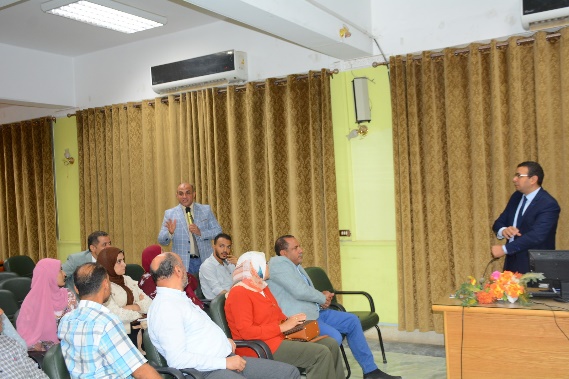
- Seminar “Using Scientific Evidence in Public Policymaking” (10 October 2024): organised by the University’s Civil Society Support Centre in cooperation with the Abdul Latif Jameel Poverty Action Lab (J-PAL) Middle East and North Africa at the American University in Cairo. The seminar addressed ways to strengthen the use of scientific evidence in policy design.
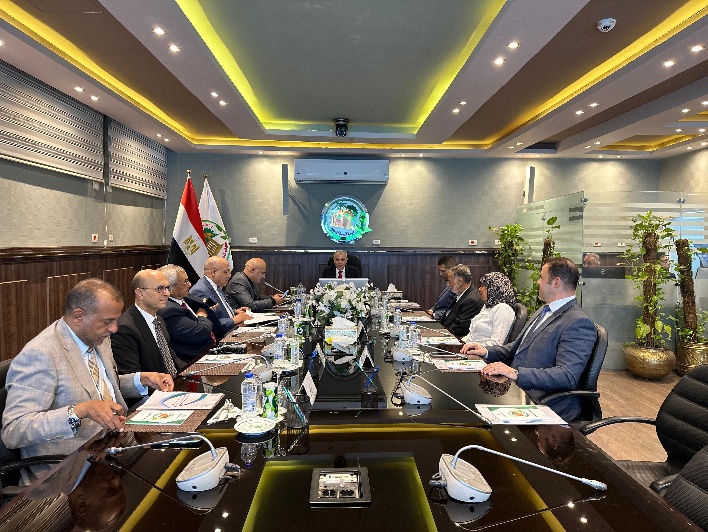
- Participation in the Board of Directors of the Upper Egypt Development Authority (20 August 2025): the President of Assiut University, Dr. Ahmed Al-Menshawy, took part in the 68th meeting of the Authority’s Board of Directors (second term), chaired by Major General Engineer Sherif Saleh. The Board reviewed the development projects implemented and supervised by the Authority across Upper Egypt governorates over the past three years, within the framework of the state’s sustainable development plan. The meeting stressed the importance of engaging local communities and residents in the planning and implementation of development projects to ensure maximum benefit and achieve spatial and social justice. The University President affirmed Assiut University’s commitment to strengthening cooperation with the Authority and to offering its academic, research, and technical expertise in support of sustainable development in Upper Egypt. He also stressed the importance of integrated cooperation among state institutions, universities, and civil society organisations, and noted that the Authority has helped create a supportive investment environment and new employment opportunities.
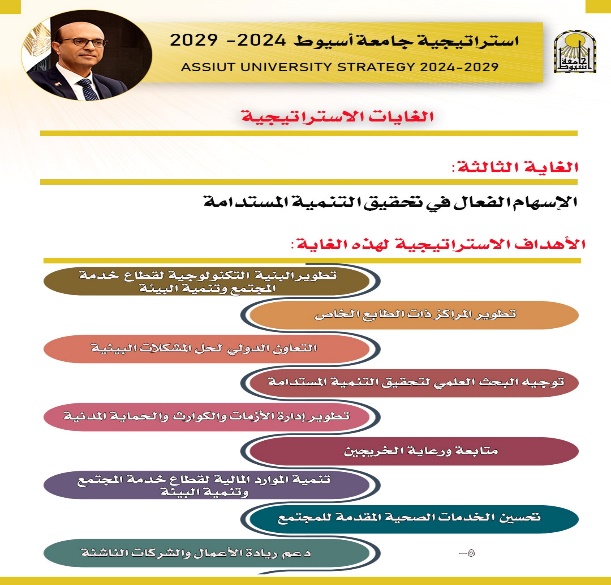
- The University’s 2024-2029 Strategy: it includes strengthening the role of the Community Service and Environmental Development Sector, linking educational and research programmes to the actual needs of the community, and enhancing cooperation with local, regional, and international institutions in support of sustainable development.
For more details, visit: More Information
- Participation in policy
- Dr. Ahmed Al-Menshawy Participates in the Board Meeting of the Upper Egypt Development Authority to Review Development Project Achievements
- The executive plan for the strategic plan of the Community Service and Environmental Development Sector
- The cooperation of Assiut University with Non-government organizations
- Community service and environmental development sector activities
The annual technical report To the Social Solidarity Unit at Assiut University