
Sustainable and Locally Produced Food on Campus
Assiut University provides food services to students on campus through its central restaurant and university housing, helping meet their nutritional needs and ensuring access to suitable meals at subsidised prices. The University promotes sustainable food through a menu that includes vegetarian and plant-based dishes, access to locally grown food from its own farms and production outlets, responsible handling of food waste, and meal preparation based on advance reservations to limit surplus.
1. Vegetarian and plant-based meals
Every meal on the daily menu includes vegetarian and plant-based options. Legumes, vegetables, and fresh salads are served at breakfast, lunch, and dinner, giving students a plant-based choice alongside meat, poultry, and fish dishes. Meal components follow approved menus.
| Meal | Menu components |
|---|---|
| Breakfast | Fava beans (ful medames), falafel, boiled eggs, jam and honey, white cheese, traditional baladi bread, cucumber and tomatoes |
| Lunch | Rice with vermicelli, pasta with tomato sauce, grilled or cooked chicken, oven-baked potatoes, meat cooked with vegetables, grilled or fried fish, vegetarian moussaka, cooked vegetables (molokhia, peas, zucchini), green salad, orzo soup and vegetable soup |
| Dinner | Cottage cheese (qareesh), boiled eggs, fava beans, fried potatoes, green salad, baladi bread, seasonal fruit |
Plant-based items include: fava beans, falafel, vegetarian moussaka, cooked vegetables (molokhia, peas, zucchini), vegetable soup, green salad, cucumber and tomatoes, and seasonal fruit. The menu also draws on traditional Upper Egyptian dishes built around legumes and grains.
2. Locally produced food from University farms
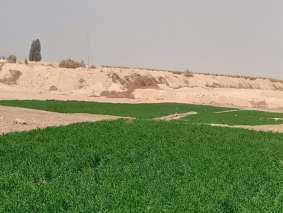
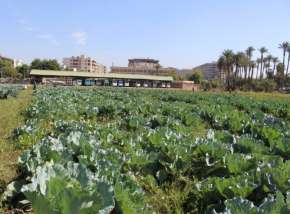
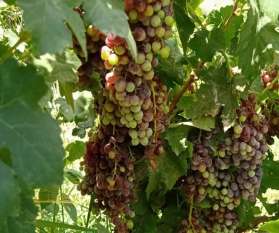
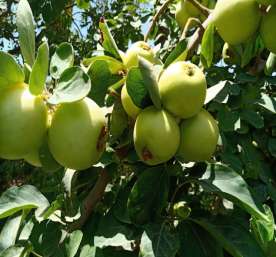
The University operates production and research farms covering approximately 481 acres, which grow fruit, vegetables, field crops, and oil plants and raise livestock and poultry. This gives the University community direct access to locally produced food with a short supply chain.
| Farm / unit | Area (acres) | Food-related production |
|---|---|---|
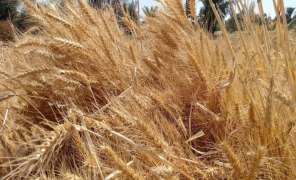
| Demonstration Farm | 200 | Date palms, olives, pomegranates, lemons, jojoba, wheat, alfalfa and clover, sorghum |
| Al-Gharib Farm | 180 | Olives, lemons, date palms, mandarins, oranges; wheat and sorghum for certified seed; clover, sesame, peanuts |
| Fruit Farm | 23 | Various fruit orchards and a fruit seedling production unit |
| Crops Farm | 17 | Winter and summer field crops and date palms |
| Vegetable Farm and Greenhouse Complex | 13 | Winter and summer vegetables, including greenhouse production |
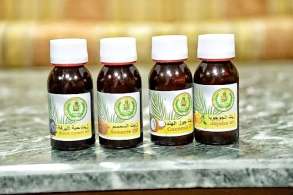
| Ornamental Plant Farm and Oil Extraction Unit | 6 | Eight types of fixed oils from medicinal and aromatic plants |
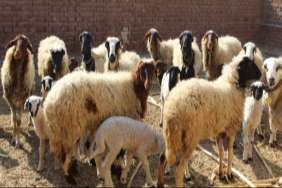
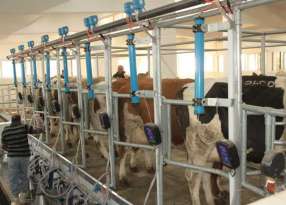
| Livestock Production Farm | 12 | Buffalo, cows and sheep; automated milking parlor |
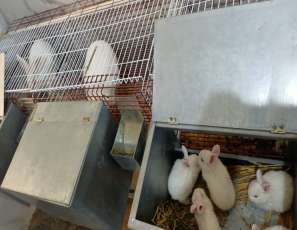
| Poultry Farm | 12 | Chickens, ducks, geese, quail, turkeys, pigeons, rabbits, ostriches; fish ponds |
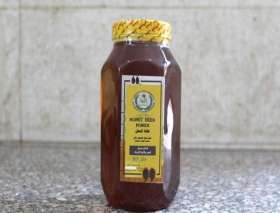
| Plant Protection Farm and Apiary | 3 | Honeybee apiary and honey production |
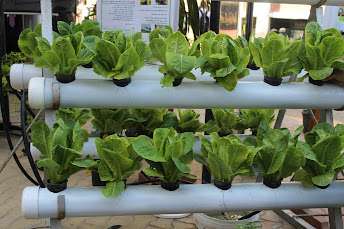
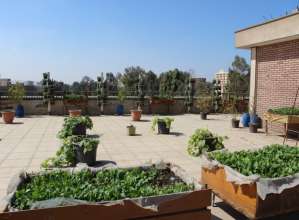
| Rooftop Farming | - | Soil-based and hydroponic cultivation of leafy vegetables on faculty buildings |
Products from the farms and the faculty production laboratories are sold to University members through dedicated sales outlets:
| Sales outlet | Examples of products |
|---|---|
| Dairy outlet | More than 40 products, including buffalo and cow milk, pasteurised milk, yoghurt, Damietta and white cheese, cottage cheese (qareesh), cream, clarified butter (samn baladi), rice pudding, and ice cream |
| Food industries outlet | Falafel mix, pickled olives, strawberry and mango juice, baked goods and pastries |
| Animal and poultry production outlet | Beef, broiler chicken, quail, duck, pigeon, turkey, farm eggs, rabbits |
| Ornamental plants and oils outlet | Jojoba, black seed, flaxseed, rocket, sesame, almond and coconut oils, plus press cakes and ornamental plants |
| Vegetables and fruit outlet | Seasonal vegetables and seasonal fruit |
3. Food waste reduction and circular practices
- Preparation by reservation: meals are prepared according to submitted requests, using reservations and meal coupons issued through the Student Welfare Departments, which limits overproduction.
- Surplus edible meals: chilled and stored under hygiene standards after service, and distributed to underprivileged communities in partnership with the Egyptian Food Bank.
- Used cooking oil: collected in sealed containers by licensed vendors for conversion into biodiesel.
- Organic kitchen scraps: sorted and processed into animal feed or organic fertiliser.
4. Nutritional quality
- Menus are prepared under academic nutritional supervision to meet students' physical and cognitive needs.
- A fresh salad is included in the daily menu, and recipes exclude industrial trans fats.
- Specialised diets (for example gluten-free, low-sodium, and diabetic meals) are provided on the basis of medical evaluation by University Health Services.
5. Photographic evidence