

6. Does your university as a body have a policy on divesting investments from carbon-intensive energy industries especially coal and oil?
Yes
Based on the measures taken by Assiut University in accordance with the electricity consumption rationalization program over the past years, and particularly in the last three years, carbon dioxide (CO₂) emissions have been reduced. Considering that a reduction of 1 kWh decreases CO₂ emissions by 0.50 kg CO₂ equivalent, the details are as follows:
Due to the energy-saving measures, the electricity consumption for 2024-2025 decreased by approximately 1.1 GWh compared to the consumption in 2023-2024, which means a reduction in CO₂ emissions by 535 tons of CO₂ equivalent compared to 2022. This is the result of the actions taken by the university to rationalize energy consumption and improve its efficiency.
This reduction in CO₂ emissions in 2023 compared to 2022 occurred despite the full load of the Emergency and Accident Hospital being operational since July 2021 (see Annex 4-4-1). A reduction of 3,478.0 tons of carbon equivalent was achieved due to the decrease in annual consumption in 2023 compared to 2019, despite the full operation of the Faculty of Dentistry and Veterinary Medicine hospitals in 2019, as well as the loads from the Faculties of Fine Arts and Kindergarten. The annual revenue from carbon dioxide emission reduction certificates for 2023 increased by approximately 16,050.0 euros * compared to the value for 2019.
Assiut University has conducted numerous research studies and projects concerning clean energy technologies and their applications.
Potential impacts of climate change on renewable energy in Egypt:
The potential impacts of climate change on wind and solar energy resources across Egypt until the year 2065 were evaluated in research. The study utilizes GIS modeling to predict temperature variations, recommending heat-resistant photovoltaic (PV) designs to maintain maximum efficiency as clean energy alternatives under future global warming scenarios.
Smart Optimization for Solar Photovoltaic Systems
The research dedicated to intelligent control systems for solar panels. The papers introduce advanced algorithms to mitigate power loss caused by dust and high temperatures in desert environments, maximizing the output of solar alternatives in Egypt
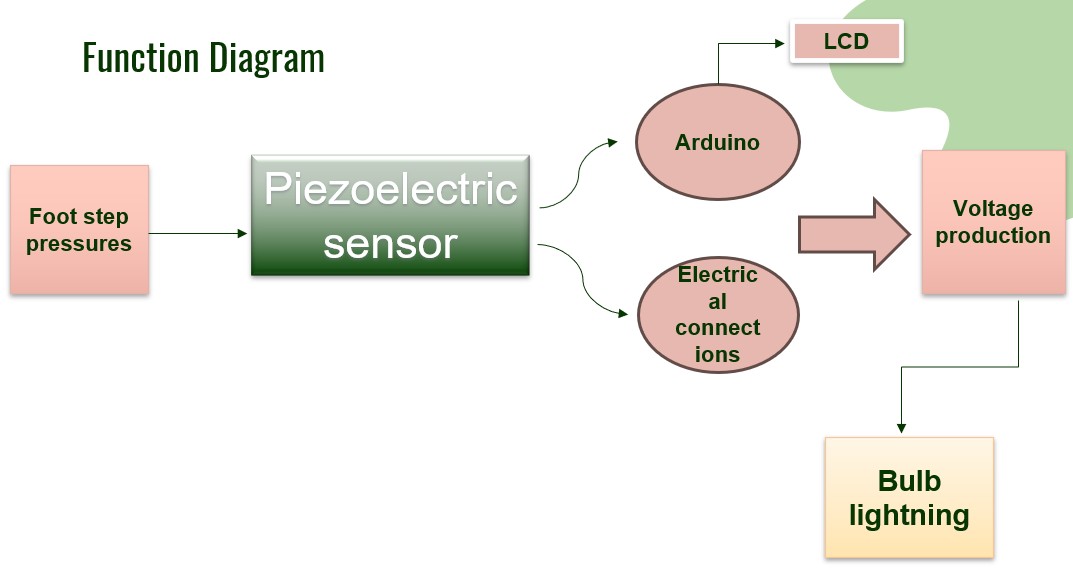
Generating energy using foot step Project: The project is a bold step towards redefining the relationship between human activity and energy sources. The project aims to harness the kinetic energy generated by footsteps and convert it into usable electrical energy, providing an innovative and sustainable solution to the growing energy challenges. The system was designed using pressure sensors capable of capturing the force generated by footsteps and converting it into electrical energy via an integrated electronic system. The study focused on testing the prototype in different environments to determine its efficiency in generating energy. The results showed that the system was able to produce limited amounts of energy, but it was not enough to operate electrical devices such as lamps continuously. It was determined that increasing the number of pressure sensors and improving the system design could significantly increase its efficiency.
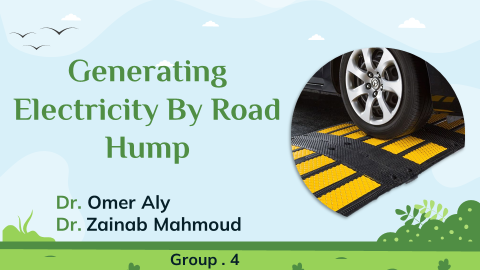
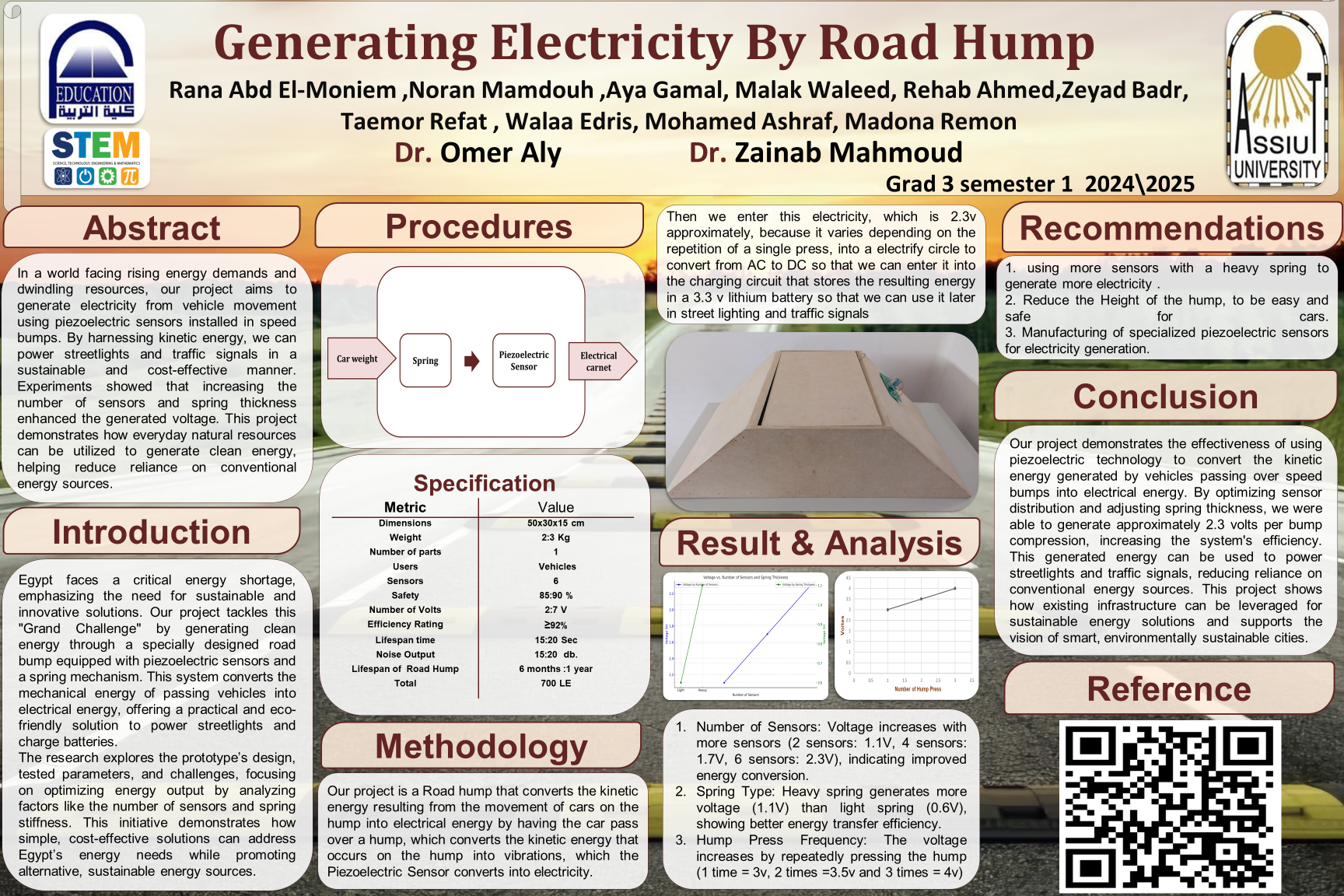
Generating electricity By Road Hump Project
Stem Students proposed a model for generating electricity from road humps. This innovative approach involves converting the vibrations caused by vehicles passing over the hump into electrical energy. This is achieved by incorporating piezoelectric sensors into the road hump's spring system. These sensors harness the pressure exerted by the vehicle's weight, transforming the resulting vibrations into a usable electrical current
Energy for life Project
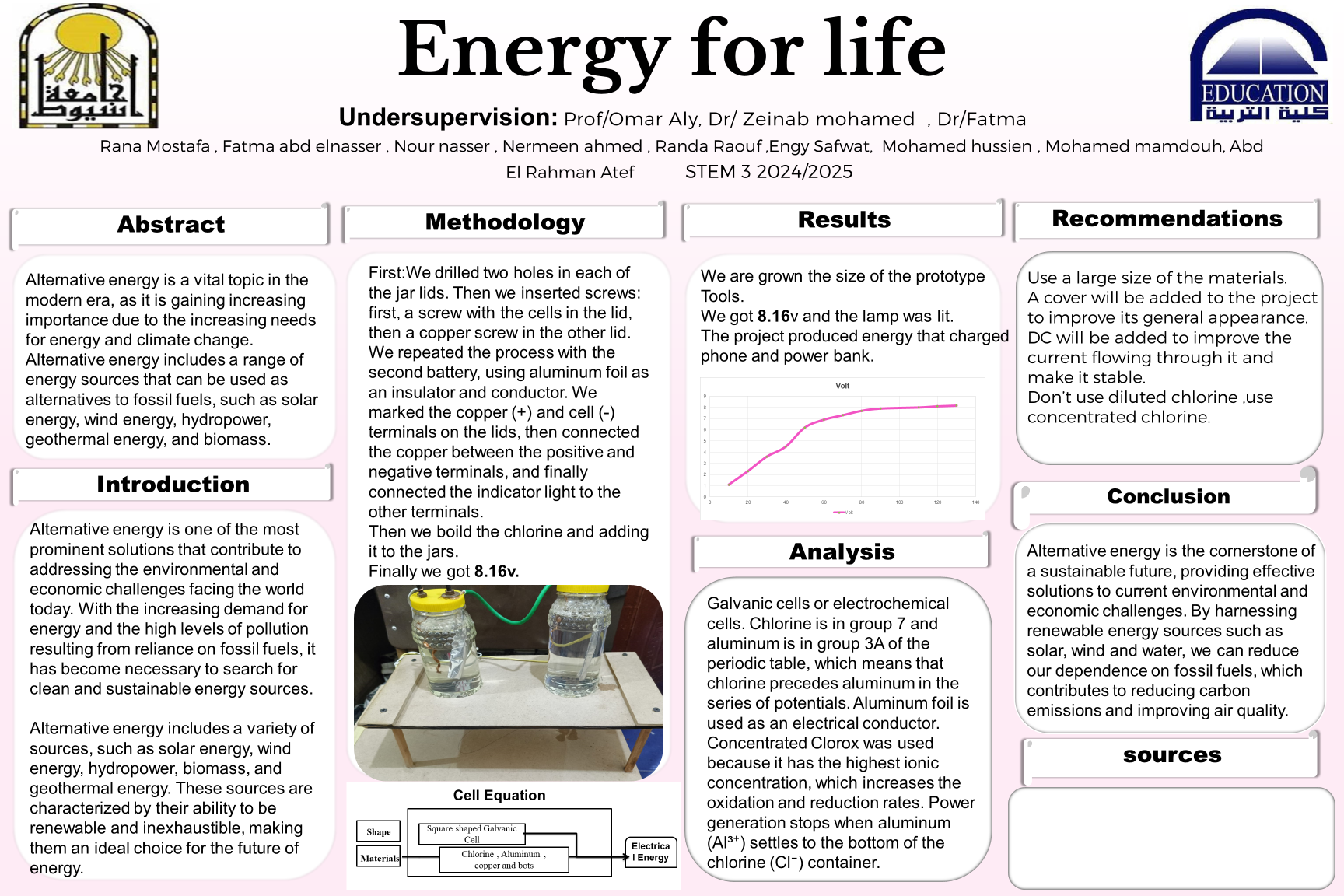
The main idea is how to generate volts of energy with environmental resources and chlorine as an essential element in the project [Galvanic cell].
PV Stand Alone System for Green Hydrogen Generation and Storage for a House Hybrid Loads Project
At the Faculty of Engineering, Assiut University, Project No. 46069, “PV Stand Alone System for Green Hydrogen Generation and Storage for a House Hybrid Loads,” is a 24-month STDF-funded project led by Prof. Dr. Mohamed Abdel Azim Ibrahim Nayel at the Faculty of Engineering, Assiut University. The project develops an off-grid photovoltaic system integrated with batteries, a fuel cell, a hydrogen tank, an electrolyzer, and advanced control strategies to supply hybrid household loads efficiently. It supports renewable energy use, green hydrogen generation, clean cooking through HHO electrolyzer design, and demand-side management. The work includes system modeling, MPPT improvement using PSO-MPC, laboratory setup, prototype testing, student training, and international scientific publications.
https://ieeexplore.ieee.org/abstract/document/10701066
https://www.mdpi.com/1996-1073/18/13/3395
Cell Temperature and Electrical Efficiency of Dusty Photovoltaic Modules as an Alert for Module Cleaning in Benban Solar Farm in Aswan: Calculation and Experimental Validation Project :
This project aims to investigate the impact of environmental factors on the performance of photovoltaic (PV) modules, particularly dust accumulation and cell temperature. These factors significantly affect the efficiency of solar power systems, especially in desert regions such as Benban Solar Park in Aswan, Egypt.
Dust deposition on the surface of PV modules reduces the amount of solar irradiance reaching the solar cells, which leads to a decrease in the generated electrical power. In addition, the increase in cell temperature during operation negatively affects the electrical characteristics of the modules, causing a reduction in output voltage and overall efficiency. The project focuses on analyzing the electrical behavior of photovoltaic modules through current–voltage (I–V) and power–voltage (P–V) characteristics. Mathematical modeling is used to evaluate the influence of temperature and dust accumulation on PV system performance. Furthermore, experimental measurements are conducted to validate the theoretical analysis and compare the performance of clean and dusty modules. The ultimate objective of this project is to develop a practical indicator that utilizes the variation in cell temperature and electrical efficiency as an early alert for determining the optimal cleaning time of photovoltaic modules. This approach can help improve energy production and reduce efficiency losses in large-scale solar power plants such as the Benban Solar Farm. This calls for purchasing an instrument to measure directly the power loss due to dust accumulation on the module surface.
Techno-Economic Study of Utilizing Wind Energy Resulting From Moving Vehicles For A Highway Illumination Project :
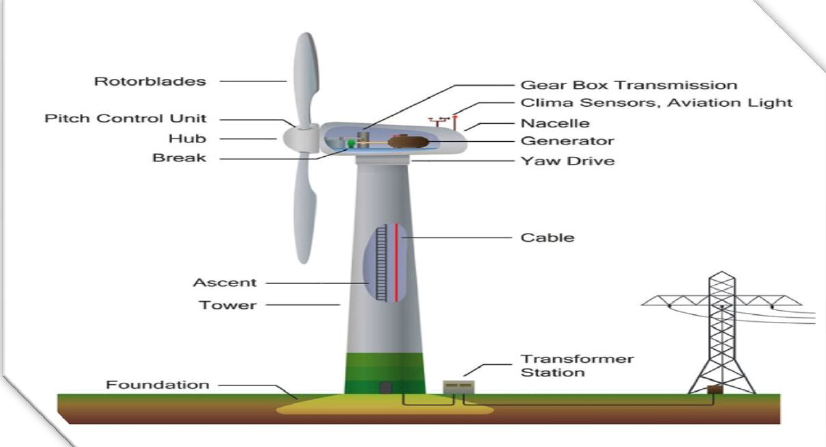
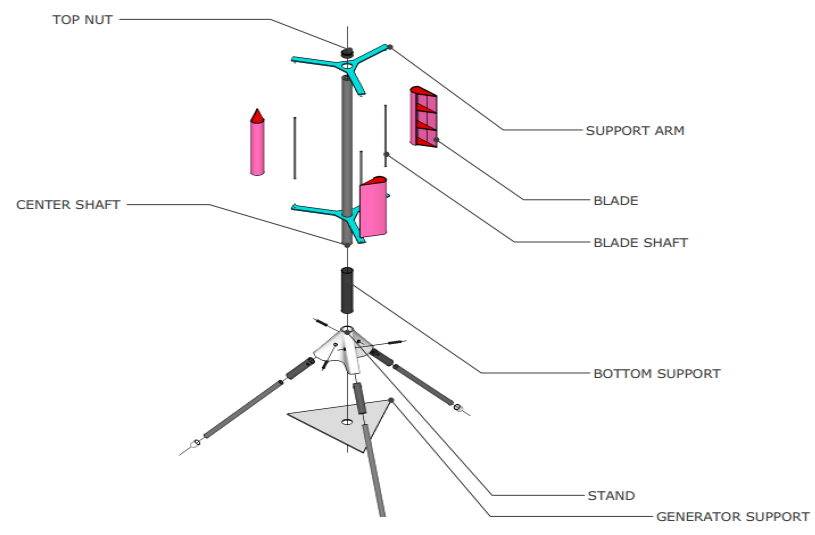
At the Faculty of Engineering, Assiut University, the students introduce a Project with the objective of Harvesting Highway Wind. This project selects an innovative deployment of vertical-axis wind turbines (VAWTs) along highway vehicles to harness the aerodynamic turbulence generated by high-speed traffic. This project aims to explore the feasibility of generating electrical energy from the wind produced by moving vehicles on highways using Vertical Axis Wind Turbines (VAWT), which are considered promising systems for extracting wind energy in urban and high-traffic environments. Field measurements were conducted to record the wind velocity generated by passing vehicles at a distance of one meter from the turbine’s proposed location, alongside recording the actual speed and type of each vehicle. The analyzed vehicle types included private cars (Sedan), minibuses, and minitrucks. With the determination of the wind velocity in the vehicle wake, one can calculate the power in the wing. With the use of a given wind turbine, the amount of energy generated by each vehicle type is calculated. To assess the practical viability of this concept, the results are applied to a real highway as a case study. The Cairo–Alexandria Agricultural Road is selected due to its importance as one of Egypt’s major transportation corridors, extending approximately 220 kilometers with 8 lanes (4 in each direction), and characterized by heavy and dense daily traffic. The average daily traffic volume on this road is approximately 110,554 vehicles. There is an approximate percentage of about 30% of these vehicles that usually use the left (fast) lane closest to the roadside, which is close to where the proposed turbine is installed. The findings estimate that the total daily energy produced by vehicles using the roadside lane is around 187,601 joules, equivalent to 52.11 watt-hours per day per turbine, i.e., around 19 kilowatt-hours per year. Although this amount of energy appears modest and currently insufficient for powering large lighting systems or integrated infrastructure, it opens the door for potential use in low-consumption applications, such as traffic signal lighting or powering roadside smart sensors and lamps.
Optimal Sizing of PV System to Meet the Electrical and Water Demands of a Multipurpose Agricultural Farm Project
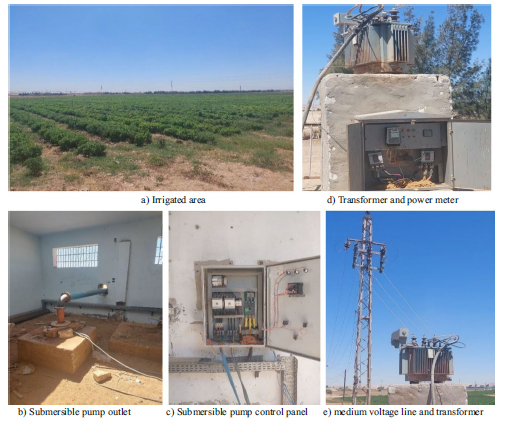
The study presents the design and optimization of a Photovoltaic Water Pumping System (PVWPS) for a 50-acre farm in New Assiut City to replace a grid-powered pumping system. Four system configurations and two load scenarios were analyzed using a Multi-Objective Genetic Algorithm (MOGA) to minimize energy cost and greenhouse gas emissions while ensuring reliable operation. Results show that water storage is the best standalone solution for irrigation loads, while hybrid storage is optimal for combined irrigation and building loads. The study highlights the potential of PVWPSs to improve agricultural sustainability and support Egypt’s renewable energy and environmental objectives.
Project Overview: The 3D-Printed Scout
The 3D-Printed Scout is an innovative, cost-effective scientific project. It was developed entirely within the labs of the Physics Department at Assiut University. It was developed as part of the university's initiative to combat environmental and climate challenges, supporting eco-friendly and resources was optimized academic research.
Eco-Friendly & Egyptian-Made: Locally fabricated in Egypt using sustainable, environmentally friendly materials.
Wind Energy Generation: Generates clean electrical power utilizing an integrated vertical-axis wind turbine (VAWT).
Solar-Powered Integration: Operates with solar energy as an additional, reliable auxiliary power source.
Automated Smart Lighting: Illuminates automatically when pedestrians pass underneath, managed by responsive infrared (PIR) motion sensors.
Integrated Wi-Fi Extender: Functions as a network signal amplifier to expand local Wi-Fi coverage area.