Assiut University Organizes Seminar on "The Order Hemiptera: Between Harm and Benefit" at the Faculty of Science

June 25, 2026

Under the patronage of Professor Ahmed El-Minshawy, President of Assiut University, the Department of Zoology and Entomology at the Faculty of Science organized a scientific seminar entitled "The Order Hemiptera: Between Harm and Benefit." The event was held under the supervision of Professor Gamal Badr, Vice President for Graduate Studies and Research; Professor Mohamed Adawy, Vice President for Community Service and Environmental Development; and Professor Abu Bakr Mohamed El-Tayeb, Dean of the Faculty of Science.

The seminar was delivered by Professor Mohamed Abdel Rahman Mohamed Amr, Emeritus Research Professor of Plant Protection at the Plant Protection Research Institute, Agricultural Research Center.

The event was attended by Professor Essam Fadl Abu Zeid, Vice Dean of the Faculty of Science for Community Service and Environmental Development; Professor Mohamed Hashem, Vice Dean for Graduate Studies and Research; Professor Mona Mohamed Attia, Head of the Department of Zoology and Entomology and Seminar Coordinator; in addition to a distinguished group of faculty members, teaching assistants, and researchers.

Professor Ahmed El-Minshawy affirmed that the University is committed to supporting scientific and educational activities that enrich the knowledge of students and researchers across various scientific disciplines while addressing contemporary environmental and agricultural challenges. He emphasized the importance of strengthening collaboration between academic institutions and specialized research organizations to facilitate knowledge exchange, transfer expertise, and promote the application of scientific research outcomes in serving society and advancing sustainable development. He further noted that the University places particular importance on scientific events that address issues with a direct impact on the environment and the national economy, reinforcing its role as a leading educational and research institution in Upper Egypt.

Professor Mohamed Adawy stated that the seminar aimed to disseminate scientific knowledge and strengthen the connection between research outcomes and societal and environmental issues. He highlighted the Community Service and Environmental Development Sector's commitment to supporting scientific events that integrate academic knowledge with practical applications, thereby enhancing environmental awareness among students and researchers and reinforcing the University's role in community service and the achievement of the Sustainable Development Goals.

For his part, Professor Abu Bakr Mohamed El-Tayeb explained that entomology represents a vital scientific field closely linked to several key sectors, particularly agriculture, the environment, and public health. He noted that the seminar provided an excellent platform for scientific dialogue and the exchange of expertise among specialists and researchers, while highlighting the importance of maintaining a balance between controlling harmful insect species and preserving beneficial ones in support of environmental conservation and the sustainable use of natural resources.

The seminar explored the morphological and taxonomic characteristics of insects belonging to the order Hemiptera, as well as the most common species found in the Egyptian environment. Discussions also addressed the damage caused by certain species through the transmission of diseases and their impact on agricultural crops, while highlighting the ecological benefits of other species and their role in biological control and maintaining ecological balance across different ecosystems.

Participants also emphasized the importance of supporting scientific research, employing modern technologies, and promoting the exchange of expertise and knowledge to develop scientific approaches that contribute to community service and address environmental and agricultural challenges.

At the conclusion of the seminar, Professor Mohamed Abdel Rahman Mohamed Amr was presented with a commemorative shield in recognition of his distinguished scientific contributions and valuable participation in the event.

Assiut University Achieves New Milestone in the THE Impact Rankings 2026, Ranking Fourth Nationally and Among the World's Top 301–400 Universities, with Significant Progress Across Several Sustainable Development Goals

June 26, 2026

- Professor Ahmed El-Minshawy: Assiut University records remarkable advances across several Sustainable Development Goals.
- Assiut University climbs from the 601–800 band to 60th globally in SDG 8: Decent Work and Economic Growth.
- Assiut University advances from 94th to 54th globally in SDG 7: Affordable and Clean Energy.
- Assiut University rises from the 201–300 band to the 101–200 band globally in SDG 13: Climate Action.
- Assiut University ranks 98th globally in SDG 14: Life Below Water, advancing from the 201–300 band.
- Assiut University moves from the 401–600 band to the 201–300 band globally in SDG 10: Reduced Inequalities.

Professor Ahmed El-Minshawy, President of Assiut University, announced that the University has continued to achieve outstanding results in the Times Higher Education (THE) Impact Rankings 2026, which assess universities' contributions to achieving the United Nations Sustainable Development Goals (SDGs). Assiut University was ranked within the 301–400 global band among more than 2,500 universities included in this year's rankings and secured fourth place nationally.

Professor Ahmed El-Minshawy affirmed that this achievement reflects the success of the University's strategy to institutionalize sustainability, strengthen scientific research, and expand community and environmental partnerships in alignment with Egypt Vision 2030 and the United Nations Sustainable Development Goals. He emphasized the University's commitment to continuously developing its education, research, and innovation ecosystem in ways that maximize its developmental impact at both the national and international levels.

Professor Mohamed Adawy, Vice President for Community Service and Environmental Development, explained that the rankings reflect the University's sustained commitment to advancing the Sustainable Development Goals through education, scientific research, and community engagement. He noted that Assiut University achieved significant progress across several key SDGs, ranking among the top 60 universities worldwide in SDG 8: Decent Work and Economic Growth, while advancing to 54th globally in SDG 7: Affordable and Clean Energy.

He added that the University also recorded outstanding performance in several other SDGs, ranking within the 101–200 global band in both SDG 13: Climate Action and SDG 15: Life on Land, while achieving 98th place globally in SDG 14: Life Below Water. The University also maintained strong performance in SDG 10: Reduced Inequalities, SDG 11: Sustainable Cities and Communities, and SDG 9: Industry, Innovation and Infrastructure.

For his part, Professor Omar Shaaban, Director of the International Academic Rankings Office, stated that this year's results demonstrate substantial improvement in the University's global standing across several Sustainable Development Goals compared with the previous edition of the rankings. The University advanced in SDG 8 from the 601–800 band to 60th globally, in SDG 7 from 94th to 54th globally, in SDG 13 from the 201–300 band to the 101–200 band, and in SDG 14 from the 201–300 band to 98th globally. It also improved in SDG 10 from the 401–600 band to the 201–300 band, and in SDG 4: Quality Education from the 401–600 band to the 301–400 band. He noted that these achievements reflect the University's continuous progress across internationally recognized sustainability indicators.

These results reaffirm Assiut University's distinguished position in global university rankings and underscore its sustained progress in sustainability, scientific research, and community service, further strengthening its role in advancing sustainable development at both the national and international levels.

Assiut University Organizes Awareness Workshop at El-Hawatka Family Medicine Center Entitled "A Healthy Family... A Better Future"

June 27, 2026

As part of the implementation of Egypt's National Population and Development Strategy, the Emergency Action Plan, and the Presidential Initiative "The Golden 1,000 Days for the Development of the Egyptian Family," Assiut University organized, on Saturday, June 27, an awareness workshop at the Family Medicine Center in El-Hawatka Village entitled "A Healthy Family... A Better Future." The event was held under the patronage of Professor Ahmed El-Minshawy, President of Assiut University, and under the supervision of Professor Mohamed Adawy, Vice President for Community Service and Environmental Development, and Professor Rehab El-Dakhly, Media Advisor to the University President and the University's Media Coordinator for the Presidential Initiative.

The workshop was organized as part of the activities of Assiut University's comprehensive development convoy, which was launched the same day to El-Hawatka Village under the supervision of Professor Mohamed Abdel Baset Mohamed Darwish, Vice Dean of the Faculty of Specific Education for Community Service and Environmental Development and General Coordinator of the University's development convoys, and Professor Mohamed Mostafa Hamad, Professor at the Faculty of Education and Supervisor of the Community Service and Environmental Development Sector's Convoy Impact Assessment Committee.

The awareness sessions were delivered by Professor Marzouka Abdel Aziz Gadallah, Professor of Pediatric Nursing at the Faculty of Nursing; Professor Naglaa Ahmed Ahmed, Assistant Professor of Critical Care and Emergency Nursing at the Faculty of Nursing; and Dr. Nora Okasha from the University's Media Administration.

The workshop aimed to raise awareness among women and rural mothers about the importance of maternal and child care during the first 1,000 days of a child's life. Activities included interactive awareness sessions, educational videos, and open discussions covering breastfeeding, family planning, and proper nutrition, thereby promoting positive health practices and supporting the objectives of the Presidential Initiative.

Professor Ahmed El-Minshawy affirmed that Assiut University remains committed to supporting the State's efforts to implement the National Population and Development Strategy. He praised the fruitful cooperation with the Ministry of Health and Population and highlighted the Presidential Initiative, "The Golden 1,000 Days for the Development of the Egyptian Family," for its comprehensive programs aimed at improving family health and enhancing Egypt's population characteristics.

The University President added that the initiative is built upon several key pillars, including strengthening family counseling services, promoting healthy birth spacing, encouraging natural childbirth, and improving neonatal intensive care and newborn healthcare services, all of which contribute to enhancing quality of life and reducing mortality rates.

For his part, Professor Mohamed Adawy emphasized that the success of the initiative depends on effective collaboration among all sectors. He explained that the Community Service and Environmental Development Sector continues to implement awareness campaigns and strengthen community partnerships, alongside the contributions of the University's faculties and its medical, nursing, and media professionals in delivering evidence-based health messages in a simple and accessible manner to all segments of society.

Professor Rehab El-Dakhly, the University's Media Coordinator for the initiative, stated that the workshop reflects the University's commitment to supporting the Presidential Initiative "The Golden 1,000 Days for the Development of the Egyptian Family" and promoting health awareness among women and mothers, particularly in rural communities, through simple and interactive educational approaches that help reinforce essential health messages.

She explained that the workshop focused on women's health as the cornerstone of family well-being and highlighted the significance of the first 1,000 days of a child's life—from pregnancy through the child's second birthday—as the most critical stage for physical, cognitive, and psychological development. The sessions also emphasized the importance of breastfeeding, healthy birth spacing, family planning, proper maternal and child nutrition, regular prenatal care, and adherence to childhood vaccination schedules.

Professor Rehab El-Dakhly further noted that the workshop featured small-group interactive discussions, educational videos, and participatory activities, while providing participants with opportunities to ask questions, address common misconceptions, and receive practical guidance. These efforts contribute to strengthening health awareness, promoting positive behavioral change, and advancing the initiative's goal of reaching families in villages and underserved communities.

Training Program Enhances Digital Skills of Staff at the Community Service and Environmental Development Sector

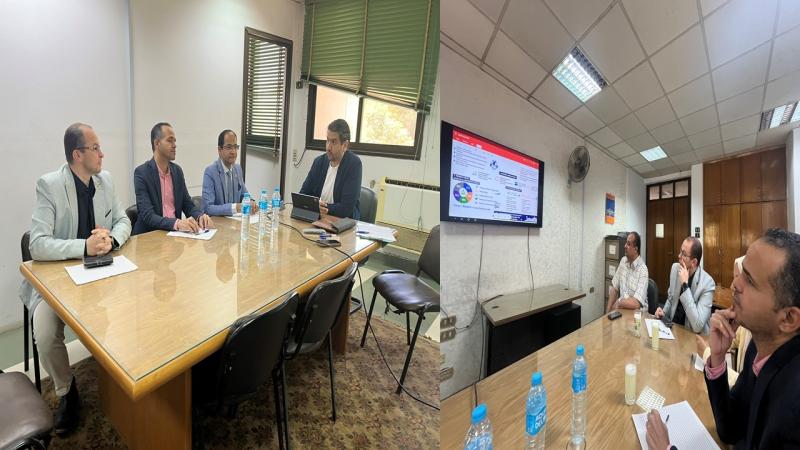
As part of Assiut University's strategy to strengthen digital capabilities and enhance staff competencies, and under the patronage of Professor Ahmed El-Minshawy, President of the University, the Community Service and Environmental Development Sector concluded, on Tuesday, June 30, 2026, a training program for its staff on Microsoft Word and Microsoft Excel, in support of the University's digital transformation efforts and institutional performance development.

The two-day training program was held on June 29–30, 2026, under the supervision of Professor Mohamed Adawy, Vice President for Community Service and Environmental Development; Professor Taysir Abdel Hamid, Dean of the Faculty of Computers and Information; and Professor Islam Ali Taj El-Din Fathallah, Assistant Professor at the Faculty of Computers and Information and Director of the University's Software Technology and Computing Unit.

The program was delivered by Dr. Ahmed Abdel Rahman, Assistant Lecturer in the Department of Information Systems at the Faculty of Computers and Information, with the participation of 20 staff members from the Community Service and Environmental Development Sector.

The training aimed to strengthen participants' digital competencies and improve their proficiency in using Microsoft Word and Microsoft Excel. The program focused on developing practical skills for preparing official correspondence, organizing and managing data, and producing reports with greater efficiency and accuracy, thereby supporting the modernization of administrative processes within the Sector.

Professor Ahmed El-Minshawy affirmed that organizing such training programs reflects the University's commitment to preparing qualified administrative personnel equipped with the technological skills needed to improve the speed and accuracy of task completion and enhance the quality of services provided across the University's various sectors. He added that the University will continue to support training initiatives that foster a more efficient work environment, advance digital transformation, and improve administrative performance.

For his part, Professor Mohamed Adawy explained that the program forms part of the Sector's ongoing plan for professional development and digital capacity building. He noted that the training enables employees to efficiently meet the demands of their daily work, including preparing official correspondence, tables, reports, and statistical data, in line with Egypt's national strategy for digital transformation and the automation of public services.

Professor Islam Ali Taj El-Din Fathallah emphasized that proficiency in Microsoft Word and Microsoft Excel has become essential for achieving efficiency, speed, and accuracy in administrative work. He explained that the training combined both theoretical and practical components, enabling participants to acquire hands-on skills that can be directly applied in the workplace, thereby contributing to improved institutional performance and supporting the University's vision of preparing administrative personnel capable of meeting the demands of the digital era.

Assiut University Explores Cooperation with the Social Workers Syndicate and Terre des Hommes Egypt to Support Community Development

July 1, 2026

Under the patronage of Professor Ahmed El-Minshawy, President of Assiut University, Professor Mohamed Adawy, Vice President for Community Service and Environmental Development, received Mr. Hatem Mohamed Kotb, Head of the Social Workers Syndicate and Member of the Child Protection and Child Labor Prevention Committee in Assiut, along with the Field Representative and Partnerships Manager of Terre des Hommes Egypt. The meeting was attended by Professor Ali Kamal Mabed, Director of the Center for Monitoring and Studying Community Problems, and Professor Asmaa Gaber Mehran, Deputy Director of the Center. The discussions focused on strengthening cooperation between the Center for Monitoring and Studying Community Problems, affiliated with the University's Community Service and Environmental Development Sector, the Assiut Social Workers Syndicate, and Terre des Hommes Egypt.

The meeting addressed mechanisms for activating joint cooperation and developing an action plan to implement a series of training and awareness programs and activities. Discussions also explored ways to benefit from scientific and professional expertise in designing community initiatives aimed at supporting families, children, and youth, while strengthening the role of social and psychological specialists in addressing community issues, thereby contributing to sustainable development and community service in Assiut Governorate.

Professor Ahmed El-Minshawy affirmed that Assiut University is committed to building effective partnerships with various institutions and organizations, based on its belief that collaborative action is a fundamental pillar of sustainable development. He explained that cooperation with the Social Workers Syndicate reflects the University's commitment to employing its academic and research expertise to support community initiatives, qualify specialized professionals, and enhance their capacity to address societal challenges through scientific and professional approaches, ultimately creating a positive and sustainable impact that benefits the community of Assiut Governorate.

Professor Mohamed Adawy stated that this partnership between the University, represented by the Center for Monitoring and Studying Community Problems, the Assiut Social Workers Syndicate, and Terre des Hommes Egypt, comes within the framework of supporting community development efforts. He explained that the collaboration will include organizing a series of seminars, workshops, and training courses for social and psychological specialists across Assiut Governorate in the fields of psychological, social, and family counseling. These initiatives aim to enhance their professional competencies and empower them to perform their roles effectively within civil society institutions, while providing support to various community groups across the governorate's cities and villages. He further emphasized the University's commitment to expanding its partnerships with national and international organizations in pursuit of the Sustainable Development Goals and to maximizing the positive impact of its community services.

Professor Ali Kamal Mabed noted that the Center for Monitoring and Studying Community Problems plays a pivotal role in examining and addressing a wide range of societal issues affecting different age groups, including youth, children, and older adults. The Center also works to confront negative social phenomena and mitigate their impact. He expressed his appreciation for the collaboration between the University, the Assiut Social Workers Syndicate, and Terre des Hommes Egypt, describing it as an important step toward strengthening community development efforts and achieving sustainable developmental impact across Assiut Governorate.

Professor Asmaa Gaber Mehran explained that this constructive partnership highlights the importance of institutional collaboration and the integration of roles among different stakeholders. She noted that relying on scientific approaches and specialized expertise in designing and implementing developmental initiatives and programs enhances community participation in addressing various societal issues, while contributing to meeting community needs and supporting the achievement of the Sustainable Development Goals.

Assiut University Enhances the Efficiency of Production Units at the Agricultural Experiments and Research Center to Support Scientific Research and Community Service

July 1, 2026

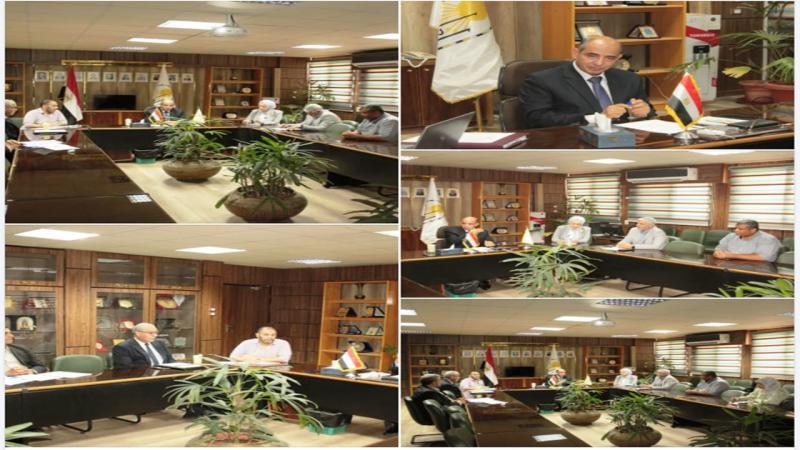
In line with the directives of Professor Ahmed El-Minshawy, President of Assiut University, to maximize the utilization of the University's research and production capabilities, the Agricultural Experiments and Research Center at the Faculty of Agriculture convened a meeting to discuss mechanisms for developing the Center's production units and enhancing their operational and productive efficiency. The initiative aims to support the educational process and scientific research while reinforcing the University's role in community service.

The meeting was attended by Professor Mohamed Adawy, Vice President for Community Service and Environmental Development and Chairman of the Center's Board of Directors; Professor Adel Mohamed Mahmoud, Dean of the Faculty of Agriculture; Professor Gamal Abdel Latif, Head of the Department of Plant Protection; and Professor Rashad Abdel Wahab, Head of the Department of Fruit Science.

Professor Ahmed El-Minshawy affirmed that Assiut University adopts an integrated vision to maximize the value of its scientific, research, and production assets by developing its production-oriented units and centers. He noted that this approach enhances the University's capacity to provide more efficient educational, research, and community services.

The University President added that the optimal investment of available resources represents one of the University's strategic priorities—not only to achieve sustainability and strengthen its self-generated resources, but also to transform research outcomes into practical applications that support national development plans and provide an advanced educational environment aligned with labor market demands.

Professor Mohamed Adawy explained that the Agricultural Experiments and Research Center serves as one of the University's key pillars for supporting research, training, and consultancy activities. With its extensive capabilities, the Center contributes to the advancement of the agricultural sector, bridges scientific research with practical application, keeps pace with the requirements of modern agricultural development, and strengthens the University's role in community service and the achievement of sustainable development goals.

During the meeting, Professor Adel Mohamed Mahmoud presented an executive plan for developing the Center's production units and affiliated farms. He emphasized the importance of sound resource management and the optimal utilization of available land and facilities to increase productivity, improve the quality of agricultural products, and generate economic returns that support the Center's activities. He also highlighted the plan's role in providing agricultural products to citizens at affordable prices while meeting the University's Guest House needs for vegetables, fruits, and dairy products.

The meeting also discussed a proposal to operate the fish production unit at the Faculty of Agriculture farms and El-Ghareeb Farm, with the aim of diversifying the Center's production activities, maximizing the use of its resources, and supporting the University's commitment to sustainable agricultural development.

Professor Adel Mohamed Mahmoud further noted that the development plan is designed to strengthen the practical training component for students of the Faculty of Agriculture by providing an integrated training environment that enables them to acquire hands-on experience, refine their professional skills, and better prepare for the evolving demands of the labor market.

Assiut University Prepares to Organize “Blessed Eid al-Adha” Exhibition for Clothing and Food Products in Support of Underprivileged Families

12 May 2026

Under the patronage of Professor Ahmed El-Minshawy, President of Assiut University, the Community Service and Environmental Development Sector held a preparatory meeting to organize the third charitable exhibition for clothing and food products, titled “Blessed Eid al-Adha.” The exhibition is scheduled to take place from 17 to 21 May 2026 at the rear entrance of Professor Dr. Mohamed Raafat Mohamed Hall in the University’s administrative building. The initiative reflects the University’s community role in supporting underprivileged groups and alleviating the financial burdens on eligible families ahead of Eid al-Adha.

The meeting was held under the supervision and attendance of Professor Mohamed Ahmed El-Adawy, Vice President for Community Service and Environmental Development Affairs; Professor Mohamed Mostafa Hamad, Professor at the Faculty of Education and exhibition coordinator; and Dr. Nesma Heshmat, Director of the University Services Marketing Center, along with a group of faculty members and assistants from various faculties, as well as representatives of several charitable organizations in Assiut Governorate.

Professor Ahmed El-Minshawy emphasized Assiut University’s commitment to expanding cooperation with civil society institutions and charitable organizations, in order to strengthen community support efforts and reach the largest possible number of eligible families. He noted that the University continues to implement humanitarian and developmental initiatives that reflect its mission in community service and reinforce values of social solidarity and mutual support.

Professor Mohamed Ahmed El-Adawy explained that the exhibition is part of a series of community initiatives regularly organized by the Community Service and Environmental Development Sector, aimed at providing clothing and food products of suitable quality at symbolic prices, thereby easing economic pressures on low-income families. He also praised the strong coordination and cooperation between the University and participating charitable organizations, which ensures the achievement of the exhibition’s humanitarian and developmental objectives.

For his part, Professor Mohamed Mostafa Hamad noted that the meeting discussed organizational and coordination mechanisms among participating entities in preparation for the opening. He explained that the exhibition includes participation from five University faculties: Dentistry, Nursing, Agriculture, Early Childhood Education, and Commerce, as well as the Small, Medium, and Micro Enterprise Development Agency and the National Council for Women, in addition to charitable associations affiliated with the Ministry of Social Solidarity in Assiut Governorate.

He added that the exhibition will feature a diverse range of clothing and food products to meet the needs of beneficiary families ahead of Eid al-Adha, affirming that the initiative reflects the national and humanitarian role of Assiut University in supporting society and serving the surrounding community.

Prime Minister Honors Prof. Ahmed El-Menshawy During the Launch Ceremony of the “One Million International Licenses Initiative”

14 May 2026

Professor Ahmed El-Minshawy, President of Assiut University, was honored by Prime Minister Dr. Mostafa Madbouly during the grand ceremony organized by the Education Development Fund under the Prime Minister’s Office, held this morning in the New Administrative Capital, to launch the “One Million International Licenses Initiative” in cooperation with the global company Cisco, alongside the launch of the International Labor Market Observatory. The event was held on behalf of His Excellency President Abdel Fattah El-Sisi, President of the Republic, and under his patronage.

Professor Ahmed El-Minshawy received the honor in recognition of the distinguished performance of Assiut International Technological University in international licensing programs, freelancing, and the German language, as well as the university’s success in equipping students and graduates with the digital and linguistic skills required for both local and international labor markets.

The ceremony was attended by Dr. Manal Awad, Minister of Local Development and Environment; Mr. Mohamed Abdel Latif, Minister of Education and Technical Education; Dr. Mohamed Farid Saleh, Minister of Investment and Foreign Trade; and Dr. Ahmed Rostom, Minister of Planning and Economic Development, in addition to several governors, members of the Education Development Fund Board of Directors, ambassadors, heads of international organizations, a delegation from the European Union, representatives of the German Agency for International Cooperation (GIZ), and Cisco, as well as a large number of senior officials.

Professor Rasha Saad Sharaf, Secretary-General of the Education Development Fund, received the Prime Minister upon his arrival.

Professor El-Minshawy affirmed that this recognition reflects the Egyptian state’s commitment to supporting universities and educational institutions that contribute to building youth capacities. He emphasized Assiut International Technological University’s dedication to providing advanced training and qualification programs that prepare students and graduates for competitiveness in the modern labor market and enhance their capabilities in technology, digital skills, and freelancing.

The ceremony also witnessed the official announcement of the “One Million International Licenses Initiative,” which aims to qualify one million young men and women to obtain internationally accredited certifications in technology, foreign languages, and freelancing. It also included the launch of the International Labor Market Observatory, designed to monitor and analyze global labor market trends and link them to education and training pathways in Egypt, thereby guiding youth toward the most in-demand disciplines and skills worldwide.

Professor El-Minshawy Inaugurates “Blessed Eid al-Adha” Exhibition for Charitable Clothing, Food Products, and Handicrafts at Assiut University

18 May 2026

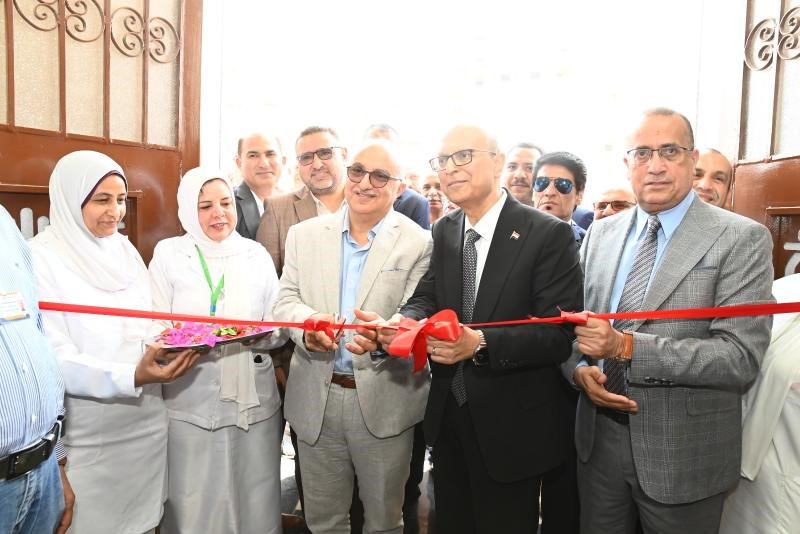
Professor Ahmed El-Minshawy, President of Assiut University, inaugurated on Monday morning, 18 May 2026, the third edition of the “Blessed Eid al-Adha” exhibition for charitable clothing, handmade crafts, and food products, organized by the Community Service and Environmental Development Sector under the supervision of Professor Mohamed Ahmed El-Adawy, Vice President for Community Service and Environmental Development Affairs.

The exhibition is held at the rear entrance of Professor Mohamed Raafat Mohamed Hall in the University’s administrative building and will run until 21 May. It is organized and supervised by Dr. Mohamed Mostafa Hamad, exhibition coordinator, and Dr. Nesma Heshmat, Director of the University Services Marketing Center.

The exhibition features participation from a range of community and development institutions, including the Small and Medium Enterprises Development Agency in Assiut, the National Council for Women, the Egyptian Society for Learning and Innovation, the Businesswomen Association, El-Ragaa Development Association, the Egyptian Authentic Foundation, the Nile Association for Comprehensive and Sustainable Development in Assiut, El-Afaf Association, and Bent Masr Foundation. All participating entities contributed under the supervision of their respective directors and board chairpersons, who oversaw the organization and display of products across the various booths.

During his inspection tour of the exhibition, Professor Ahmed El-Minshawy praised the diversity and quality of the displayed products, which included ready-made clothing, food items, home furnishings, cleaning supplies, and handmade crafts. He emphasized Assiut University’s commitment to supporting and organizing community initiatives that help alleviate the burden on citizens, especially with the approach of Eid al-Adha, by providing essential goods at affordable prices. He noted that such initiatives reflect the University’s social and humanitarian role and embody integration between the University and civil society institutions, while also supporting small enterprises, handicrafts, and productive families.

For his part, Professor Mohamed Ahmed El-Adawy stated that the exhibition is part of the Community Service and Environmental Development Sector’s plan to strengthen cooperation with development institutions and provide integrated community services. He noted that the event aims to offer clothing, food products, furnishings, and cleaning supplies at suitable quality and symbolic prices, thereby easing economic burdens on low-income families, while also supporting small businesses and productive households and reinforcing the concept of community partnership and sustainable development. He commended the effective coordination between the University and participating associations in achieving the exhibition’s humanitarian and developmental objectives.

The exhibition witnessed notable participation from the Faculties of Agriculture, Nursing, Dentistry, Specific Education, Early Childhood Education, and Commerce, under the direct supervision of faculty deans and the follow-up of vice deans for community service and environmental development. These faculties contributed products and resources in support of the University’s efforts to enhance community engagement and link academic activities with practical application and community service.

The opening ceremony was attended by Professor Fattma Rushdi, Dean of the Faculty of Nursing; Professor Adel Mohamed, Dean of the Faculty of Agriculture; Professor Safaa Tehami, Dean of the Faculty of Dentistry; and Professor Yasmin El-Kahky, Dean of the Faculty of Specific Education, along with a number of vice deans, faculty members, teaching assistants, and representatives of participating institutions and associations.

The organizing committee managed the preparation, coordination, and daily monitoring of activities across the various exhibition booths. It included Dr. Randa Youssef, Associate Professor at the Faculty of Agriculture; Dr. Ghada Abdel-Aal, Associate Professor at the Faculty of Social Work; Dr. Samar El-Shishtawy, Associate Professor at the Faculty of Agriculture; Dr. Rehab Ahmed Zaki, Associate Professor at the Faculty of Specific Education; Dr. Ahmed Ragab, Lecturer at the Faculty of Specific Education; Mr. Tamer Ragab, Teaching Assistant at the Faculty of Specific Education; Ms. Riham El-Hefnawy, Director General of the Office of the Vice President for Community Service and Environmental Development; Mr. El-Husseini El-Tayeb; and Ms. Amgad Fayez from the Community Service and Environmental Development Sector.

“Institutional Development in Community Service and Environmental Development” Scientific Session within the Training Program for Qualifying Applicants for the Position of Faculty Dean at Assiut University

19 May 2026

Under the patronage of Professor Ahmed El-Minshawy, President of Assiut University, the Center for Faculty and Leadership Development organized a training program aimed at qualifying candidates for the position of Faculty Dean. The program included a scientific session titled “Institutional Development in Community Service and Environmental Development,” delivered by Professor Mohamed Ahmed El-Adawy, Vice President for Community Service and Environmental Development Affairs. The session was held as part of the program running from 19 to 21 May 2026, under the supervision of Professor Gaber Ahmed Magd, with the participation of a number of faculty members, including department heads, vice deans, and applicants for dean positions across various faculties of the University.

Professor Ahmed El-Minshawy emphasized the University’s commitment to preparing and qualifying academic and administrative leaders capable of meeting the requirements of institutional development. This is achieved through specialized training programs that enhance skills in planning, decision-making, and efficient resource management, thereby improving performance across university sectors.

He further noted that the training program aligns with the University’s direction toward embedding digital transformation, governance, and innovation, while preparing leadership cadres capable of adapting to contemporary changes and challenges. This contributes to the development of the higher education system, the achievement of sustainable development, and the strengthening of the University’s role in community service and environmental development.

During the session, Professor Mohamed Ahmed El-Adawy addressed several themes related to enhancing the role of the Community Service and Environmental Development Sector. He discussed institutional policies and management frameworks in light of development requirements and environmental changes, as well as the potential of universities in resource development and increasing self-financing through governmental and private research grants. He also highlighted the importance of strengthening partnerships with industrial sectors, governmental and non-governmental organizations, as well as individual initiatives.

He further reviewed mechanisms for marketing intellectual property and innovations, supporting entrepreneurship and startups, enhancing the effectiveness of professional development centers, and promoting the commercialization of university services. In addition, he emphasized the importance of good governance principles and modern institutional practices in university management.

Professor El-Adawy also highlighted the importance of adopting knowledge economy mechanisms through supporting innovation and the use of technology in developing products and services, as well as enhancing intellectual capital. He stressed the need for rationalizing expenditures and maximizing the use of university resources, alongside supporting digital transformation and data analysis to improve decision-making processes.

He underscored the importance of entrepreneurship and innovation initiatives, whether for university projects or creative ideas proposed by university members, while focusing on implementing targeted training programs to develop human capacities and skills across the sector. This is to be achieved in cooperation with internal and external institutions, with continuous monitoring and evaluation to ensure sustainable institutional development.

At the conclusion of the session, an open discussion was held on several general issues, including specialized units within the Community Service and Environmental Development Sector, specialized units in faculties and their development prospects, as well as risk management—its concepts, types, and strategies for handling it.

Professor Gaber Magd noted that the training program includes several specialized scientific sessions, including: institutional development in student affairs by Professor Ahmed Abdel-Mawla; institutional development in postgraduate studies and research by Professor Gamal Badr; legal aspects of universities by Professor Tharwat Abdel-Aal; leadership and creativity enhancement by Professor Gaber Ahmed Magd; and financial and administrative aspects of universities by Mr. Shawky Saber.

Subscribe to