Studying the effect of chronic toxicity of monosodium glutamate on interleukin-10 and interleukin-17 in albino Wistar rats

Research Abstract

ABSTRACT Objective: This study aimed to assess the effect of chronic administration of Monosodium Glutamate (MSG) on blood cells, thymus, spleen, and inflammatory indicators through interleukin (IL)-17 and interleukin (IL)-10 gene expression levels in blood and in thymic and spleen tissues in male Wistar rats. Methods: Rats were treated with MSG orally once daily for 90 days at two different doses with and without probiotic supplementation (Bacillus Subtilis and Bacillus Pumilus). Blood samples were collected for CBC, IL-10, and IL-17 gene expression in blood. The spleen and thymus were taken for histological and immunohistochemical studies. Results: WBCresults showed no significant difference among groups. Astatistically significant higher mean IL -10 was observed among the low dose with probiotic (group 4) compared to other groups. There was a significantly higher mean of IL17 among low dose without probiotic (group 2). The mean level of IL-17 was high among group 4. Sections from thymus and spleen of MSG groups showed histological derangement. Immunohistochemical staining in tissues supported the observed gene expression levels in blood. Groups with higher cytokine gene expression generally showed stronger tissue staining, confirming consistency between transcription and protein levels and this strengthens interpretation of MSG-induced immune alterations. Conclusion: High-dose MSG was associated with a decreased level of IL-10 with various degrees of tissue inflammation. Adding probiotics to low-dose MSG resulted in increased levels of IL-10 in blood. The low serum level of IL-17 in the high-dose MSG groups was associated with high degrees of inflammation with little improvement with probiotic.
Research Department
Research Journal
Immunopharmacology and Immunotoxicology
Research Member
Research Year
2026

Molecular investigation on Listeria monocytogenes and Salmonella enteritidis in table eggs and diarrheic patients

Research Abstract

Listeria monocytogenes (L. monocytogenes) is a widely distributed zoonotic foodborne pathogen capable of surviving under harsh environmental conditions, including low pH and high salt concentrations. Eggs and egg products represent one of the most common sources of human salmonellosis, primarily caused by Salmonella enterica serovar Enteritidis (S. enteritidis). Accordingly, the present study was conducted to perform a molecular investigation of L. monocytogenes and S. enteritidis in table eggs and stool samples obtained from diarrheic patients. A total of 58 pooled samples of fresh hen’s eggs, along with 34 stool samples, were collected and subjected to DNA extraction followed by polymerase chain reaction (PCR) analysis. The results revealed the presence of L. monocytogenes and S. enteritidis DNA in 55.2% and 50% of the examined egg samples, respectively. A higher prevalence of L. monocytogenes was detected on eggshells compared to egg contents. Variations in infection rates were observed based on gender and age; L. monocytogenes infections were more frequently identified in males and younger individuals, whereas S. enteritidis infections were more common among females and older children. Gastrointestinal symptoms were associated with both infections, with abdominal pain being particularly prevalent in patients infected with S. enteritidis. In conclusion, the findings of this study highlight the potential zoonotic risk posed to consumers and underscore the urgent need for implementing effective control programs in laying hen farms. 

Research Authors
Asmaa A. Rayan1, Reem M. Alsaadawy2 & Marwa G. Abd El Kader3
Research Date
Research Department
Research File
Research Journal
Scientific Reports
Research Member
Research Pages
26177
Research Publisher
Nature Publishing Group UK
Research Rank
Q1
Research Vol
16
Research Website
https://www.nature.com/articles/s41598-026-66486-1
Research Year
2026

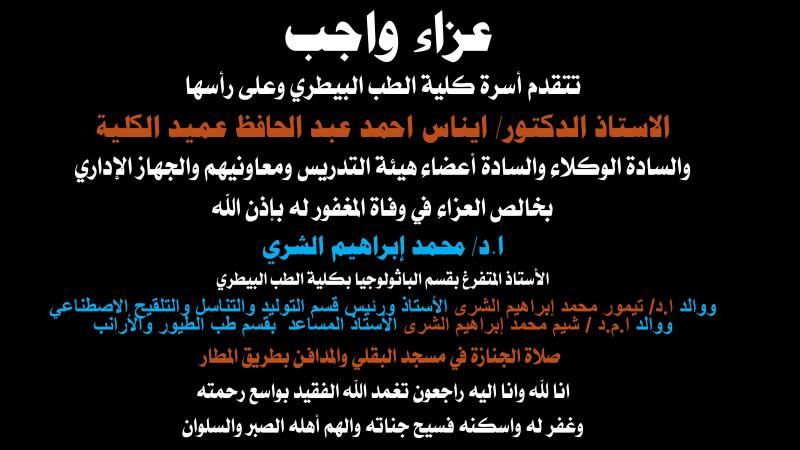
Condolences on the passing of the late Professor Dr. Muhammad Ibrahim Al-Shari, may God have mercy on him.

تتقدم أسرة كلية الطب البيطري وعلى رأسها

الاستاذ الدكتور/ ايناس احمد عبد الحافظ عميد الكلية

والسادة الوكلاء والسادة أعضاء هيئة التدريس ومعاونيهم والجهاز الإداري

بخالص العزاء في وفاة المغفور له بإذن الله

ا.د/ محمد إبراهيم الشري

الأستاذ المتفرغ بقسم الباثولوجيا بكلية الطب البيطري

ووالد ا.د/ تيمور محمد إبراهيم الشرى الأستاذ ورئيس قسم التوليد والتناسل والتلقيح الاصطناعي ووالد ا.م.د / شيم محمد إبراهيم الشرى الأستاذ المساعد  بقسم طب الطيور والأرانب

 صلاة الجنازة في مسجد البقلي والمدافن بطريق المطار

انا لله وانا اليه راجعون تغمد الله الفقيد بواسع رحمته

وغفر له واسكنه فسيح جناته والهم أهله الصبر والسل

Professor Doaa Mohamed Mokhtar, Professor of Cell and Tissue Medicine, and Dr. Mohamed Ramadan Farghaly, Lecturer in the Department of Animal Health and Environmental Health, have been included in Stanford University's ranking of the top 2% of most influe

ا.د/ايناس احمد عبد الحافظ  

عميد الكلية 

بخالص التهاني القلبية إلى كلا من

 ا.د/ دعاء محمد مختار استاذ الخلية والأنسجة

د/ محمد رمضان فرغلي المدرس بقسم صحة الحيوان والصحة البيئية

بمناسبة إدراج سيادتهما كأفضل 2% من العلماء الأكثر تأثيرا ضمن تصنيف جامعة ستانفورد للعام الرابع  على التوالي

مع خالص الأمنيات بدوام التقدير والنجاح

Impact of urea as a protein substitute in growing camel rations on performance, nitrogen balance, blood metabolites, immune status, and rumen fermentation

Research Abstract
Background
Urea, a non-protein nitrogen, is a widely used, affordable, and readily available protein supplement.
Aim
This study aimed to investigate the effect of urea as a protein substitute in growing camel rations on performance, digestion, nitrogen balance, blood metabolites, antioxidant status, immunity, inflammatory markers, and rumen fermentation, and to identify its ideal inclusion level.
Methods
Twenty Dromedary camels (Camelus dromedarius) with one hump, originally from Egypt, aged around 30 months, averaging 305.25 ± 2.15 kg in body weight, were randomly allocated to four treatments with 5 animals in each group. The crude protein of the camel diets was substituted with urea as follows: 0 (0% urea, T1), 33% (1.4% urea, T2), 50% (2.1% urea, T3), and 66% (2.8% urea, T4).
Results
Weight gain and feed conversion were significantly improved (p < 0.05) in camels fed with 33% urea substitution …
Research Authors
Heba A Nasr, Ghada SE Abdel-Raheem, Abdelbaset Ahmed, Walaa MS Gomaa
Research Date
Research Journal
Open Veterinary Journal
Research Pages
5912
Research Publisher
Eldaghayes Publisher
Research Vol
15
Research Year
2025

Synergistic Effects of Thyroxine and Nano-Melatonin on Post-Thaw Sperm Quality, Antioxidant Defence and Fertility of Cryopreserved Simmental Bull Semen

Research Abstract

Background

Cryopreservation induces oxidative stress and functional damage in spermatozoa, negatively affecting sperm quality and fertility. Nano-melatonin (NM) and thyroxine (T) have been suggested as potential cryoprotective agents because of their antioxidant and metabolic regulatory properties.

Objectives

This study aimed to evaluate the effects of thyroxine and nano-melatonin supplementation in semen extenders on post-thaw sperm quality, antioxidant status, apoptosis, and fertility of cryopreserved Simmental bull semen.

Methods

Ninety-six ejaculates were collected from six healthy Simmental bulls over 8 weeks. Semen samples were pooled and diluted with extenders supplemented with T (0.5, 0.75 and 1 µg/dL), NM (30, 45 and 60 µg/dL), or their combinations. Post-thaw sperm motility, kinematics, viability, acrosome integrity, plasma membrane integrity, mitochondrial membrane potential, DNA integrity, antioxidant parameters, lipid peroxidation, apoptosis-like changes, and conception rates were evaluated.

Results

The combined thyroxine and nano-melatonin treatment (T0.5 + NM30) significantly improved (p < 0.05) sperm motility and velocity parameters (VAP, VCL and VSL) compared with the other groups. This group also exhibited significantly higher viability, acrosome integrity, plasma membrane integrity, mitochondrial membrane potential, and DNA integrity. Antioxidant activity (GPx, SOD and TAC) was significantly enhanced, whereas MDA levels and late apoptotic sperm cells were reduced in the nano-melatonin-treated and combination groups, particularly T0.5 + NM30. Furthermore, conception rates were significantly increased in the NM30 (77.14%) and T0.5 + NM30 (82.86%) groups compared with the control group (48.57%).

Conclusions

Supplementation of semen extenders with thyroxine and nano-melatonin, particularly the T0.5 + NM30 combination, improved post-thaw sperm quality, antioxidant defence and fertility of cryopreserved Simmental bull semen, indicating a synergistic cryoprotective effect during semen cryopreservation.

Research Authors
Marwa Abonagy, Ahmed Arisha, Maha Salama, Mohey Ashour, Mustafa Shukry, Sameh Shedeed, Ahmed Shehabeldin, Nagi El-Shafai, Zein Ibrahim, Shawky Mahmoud, Michel Saad, Ahmed Alameen, Rasha Yassin Elkhidr, Osama Hassan Alif, Arafat Khalphallah, Enas Elmeligy,
Research Date
Research Department
Research Journal
Veterinary Medicine and Science
Research Pages
e71252
Research Publisher
https://onlinelibrary.wiley.com/
Research Rank
Q1
Research Vol
12 (6)
Research Website
https://onlinelibrary.wiley.com/doi/10.1002/vms3.71252
Research Year
2026

Influence of sambong (Blumea balsamifera) leaves extract on cystitis and amorphous urates causing feline lower urinary tract disease

Research Abstract

Treatment of feline lower urinary tract disease (FLUTD) possesses great concern in small animal clinics. Sambong (Blumea balsamifera) is an ayurvedic herb composed of numerous phytochemical components that have previously evidenced biological actions mainly diuretic, anti-lithic and anti-inflammatory. This study investigated the effect of Sambong (Blumea balsamifera) leaves extract on cystitis and amorphous urates in non-obstructive cases of FLUTD. Ten tomcats were admitted to the internal medicine teaching hospital at Cairo University on 9th. October 2020. The cats were suffering from dysuria, pollakiuria, stranguria and dribbling of urine. Clinical examination revealed a painful urinary bladder with evidence of partial urine retention and suspected acute cystitis, which was confirmed in eight cases via ultrasonography, while two cases revealed abundant crystalluria with normal echogenicity and thickness of the bladder wall. Urine samples were collected via catheterization for urinalysis which showed amorphous urates (+++) with acidic pH (5.41±0.10). After clinical stabilization, cats were subjected to medical boarding for 14 days and classified randomly according to treatment into two equal groups (5 cats each; 4 of them were confirmed cystitis via ultrasonography). The first group (G1) administered urinary alkalinizing solution No. 1 (UAS-1) which was composed of Sodium bicarbonate (1.2%), Potassium citrate (0.83%), Piperazine citrate (1.5%) and Omega-3 (3%). The second group (G2) administered the urinary alkalinizing solution No. 2 (UAS-2) which was typically UAS-1 in addition to an extract of Sambong leaves (1%). Both UAS-1 and UAS-2 were administered orally twice daily at a dosage rate of 1 ml/kg bodyweight for 14 days. Ultrasonography and urinalysis were repeated after 14 days to monitor the efficacy of treatment. Urine pH significantly increased in G1 (7.32 ± 0.09), and G2 (7.20 ± 0.06). Amorphous urates totally disappeared from the urine of G2, while 2 cases in G1 showed urates (+). Ultrasonography of the four cases with cystitis in G2 showed normal thickness and echogenicity of the wall of urinary bladder with minute crystals. Only one case in G1 returned to normal, however, the other 3 cases still suffered from mild to moderate cystitis due to thickening in bladder wall and abundant precipitate. A 14-day oral regimen of 1% Sambong leaves extract has a promising positive effect on treatment of cystitis and amorphous urates accompanied with FLUTD. Inclusion of 1% Sambong leaves should be applied for treatment of cystitis and amorphous urates involved in non-obstructive cases of FLUTD. However, these findings are preliminary and limited by the available number of clinical cases. So, further studies are recommended on numerous clinical cases of FLUTD and urolithiasis in other animal species. Additional research is also indicated to evaluate the therapeutic effect of different parts of the plant extract, dosages and drug combinations.
 

Research Authors
Mahmoud Saber, Mohamed I. Oraby, Fayez A. Salib, Fady S. Youssef, Arafat Khalphallah, Sabry A. Mousa, Mostafa El-Gaffary, Mohamed Awny Elkhiat
Research Date
Research Department
Research Journal
Advances in Animal and Veterinary Sciences
Research Pages
1585-1594
Research Publisher
https://researcherslinks.com/
Research Rank
14 (7)
Research Vol
14 (7)
Research Website
https://researcherslinks.com/current-issues/Influence-of-Sambong-Blumea-balsamifera-Leaves/33/1/13134
Research Year
2026

Nutritional effect of replacing soybean meal protein with defatted black soldier fly (Hermetia illucens) larvae meal protein on growth indices, blood biochemistry, immunity, and antioxidant status in growing muscovy ducks (Cairina moschata)

Research Abstract

The study aimed to assess how replacing part of soybean meal protein with defatted Black Soldier Fly larvae (DBSFL) meal protein influences growth performance, leukocyte counts, biochemical parameters, immune response, and antioxidant levels in growing Muscovy ducks. A total of 100 one-week-old ducklings were randomly assigned to five groups, with four replicates of five ducklings each. The control group was fed the basal diet, while the experimental groups received diets in which soybean meal protein was partially replaced with DBSFL meal protein. The DBSFL meal levels used were 0%, 3.48%, 6.90%, 10.46%, and 13.95% of the total diet. The experiment lasted for 56 days. Growth performance was recorded weekly, and at the end of the experiment, three birds were randomly selected from each group, and blood samples were collected after slaughter. Serum was separated for biochemical parameters …

Research Authors
Manar A Abdel-Aty, Walaa Gomaa, Abdelbaset Ahmed
Research Date
Research Journal
International Journal of Tropical Insect Science
Research Pages
1-12
Research Publisher
Springer International Publishing
Research Year
2026

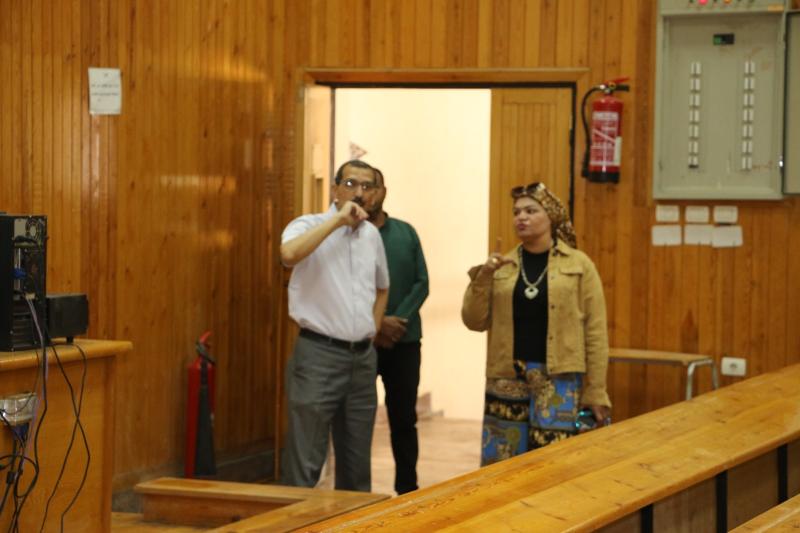
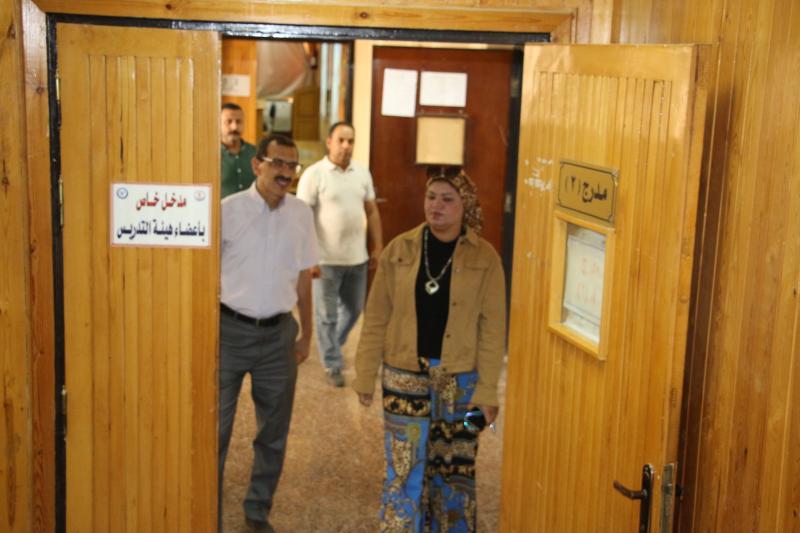
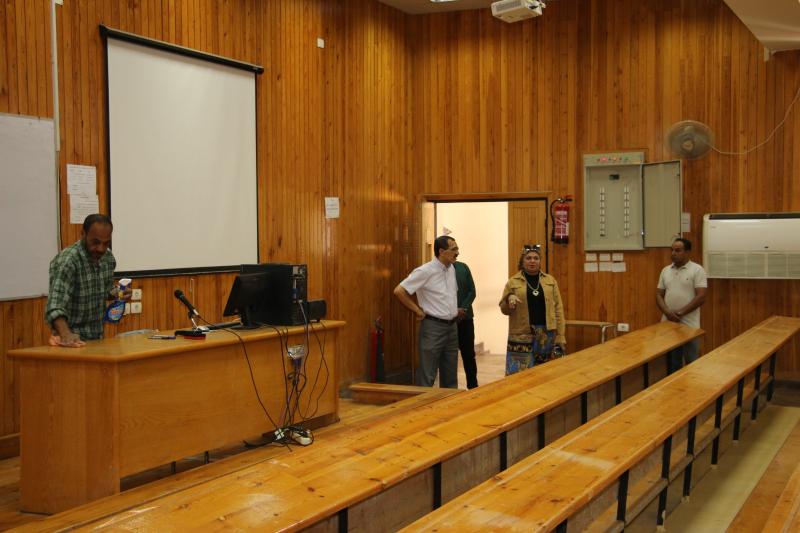
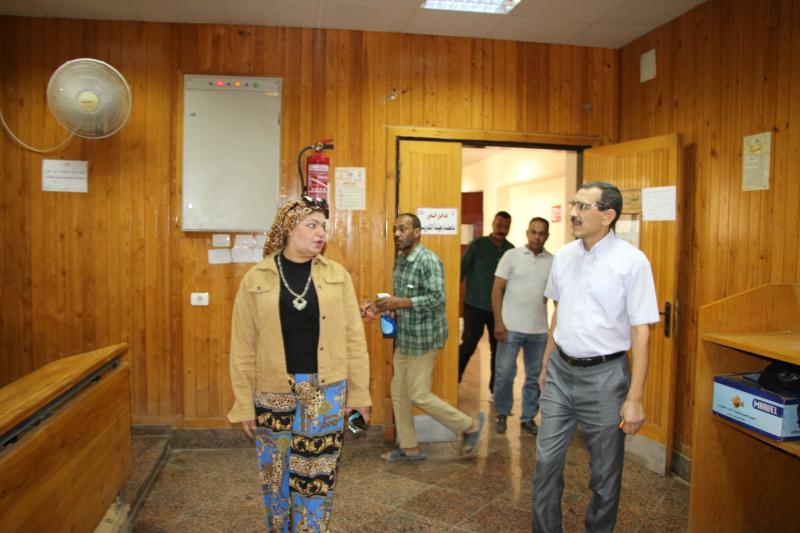
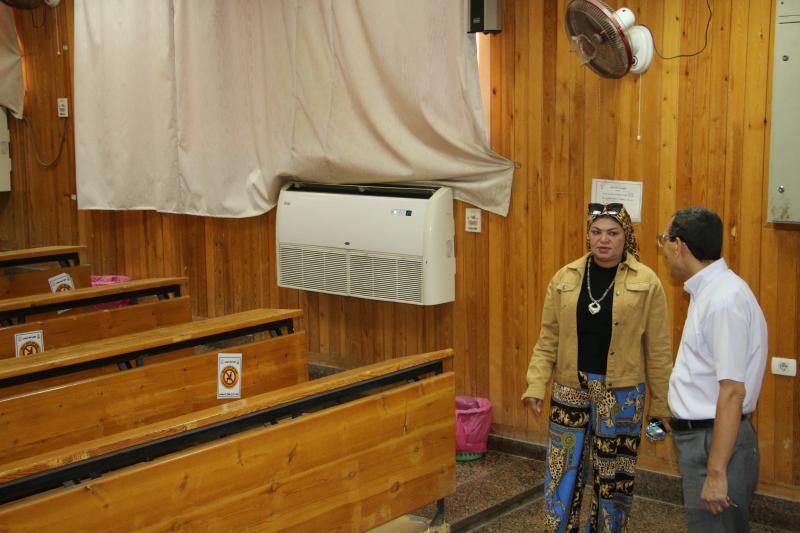
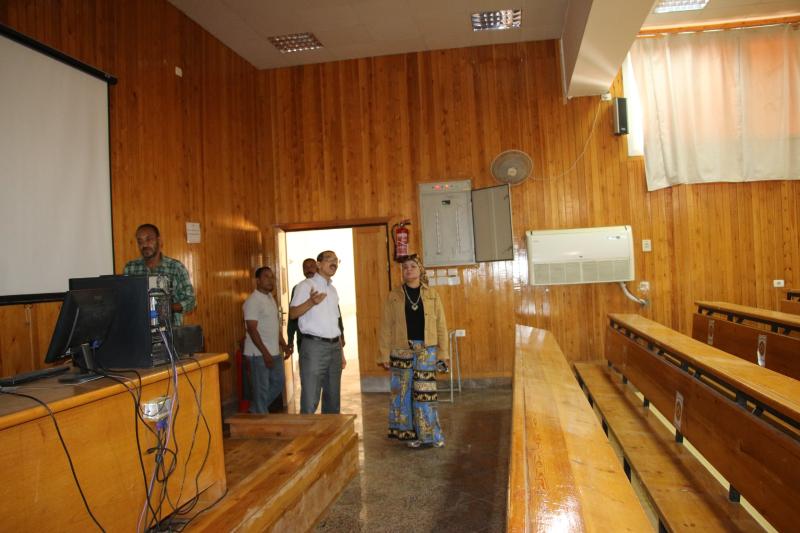
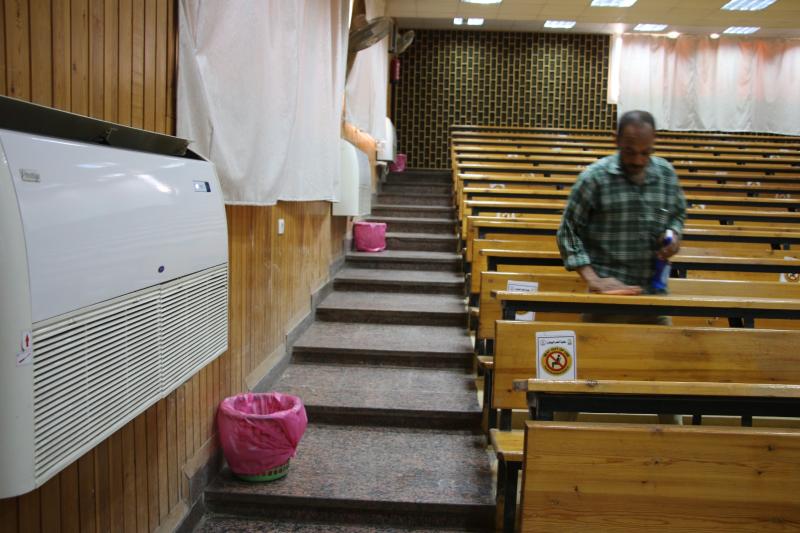
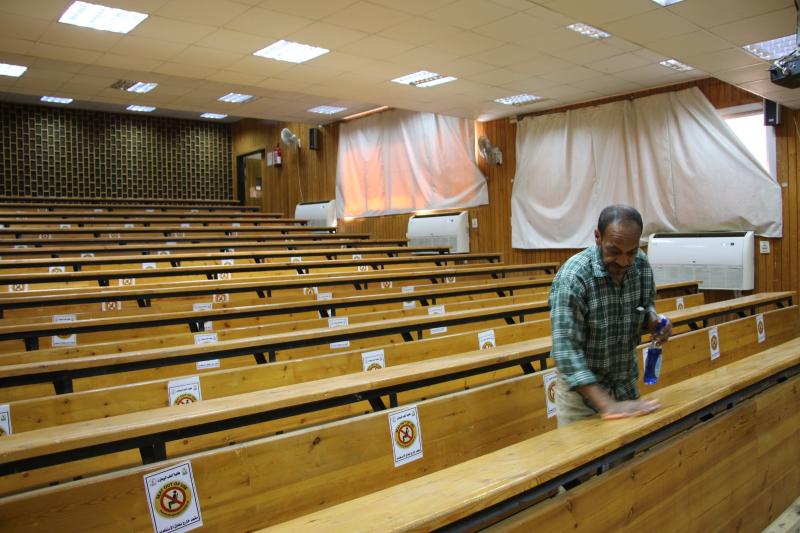
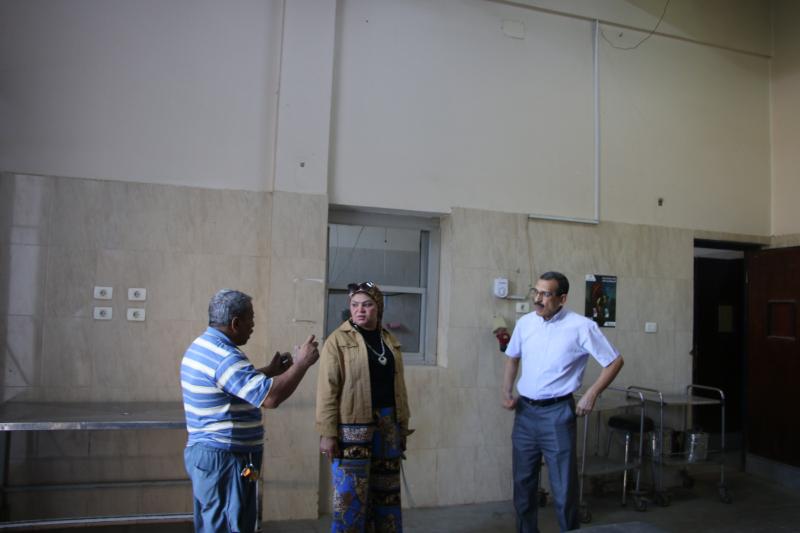
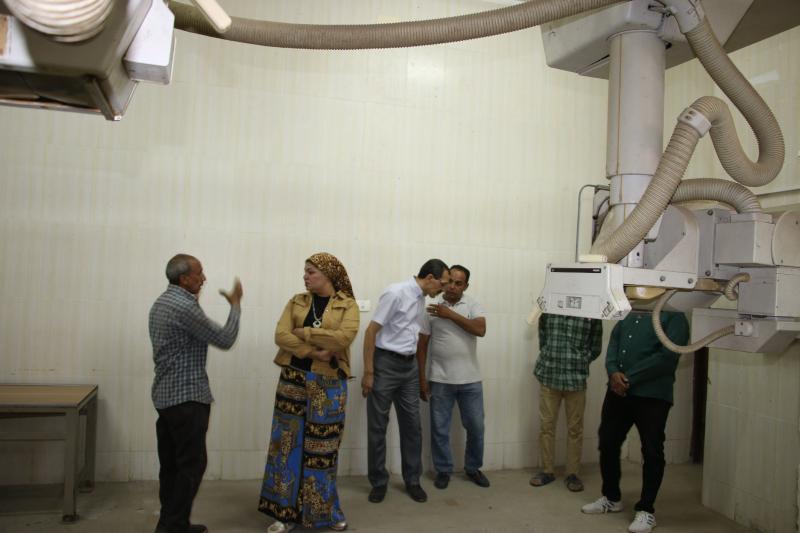
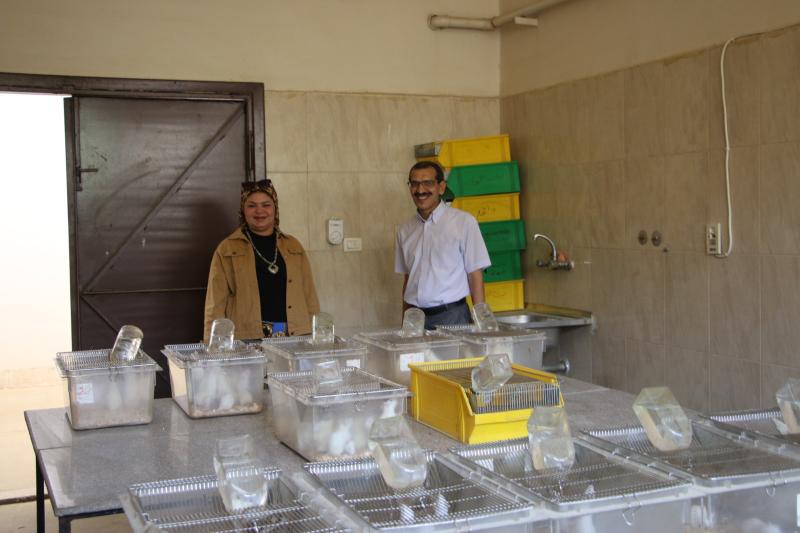
The Dean of the College inspects the readiness of educational facilities and units within the framework of preparations for the new academic year 2026-2027

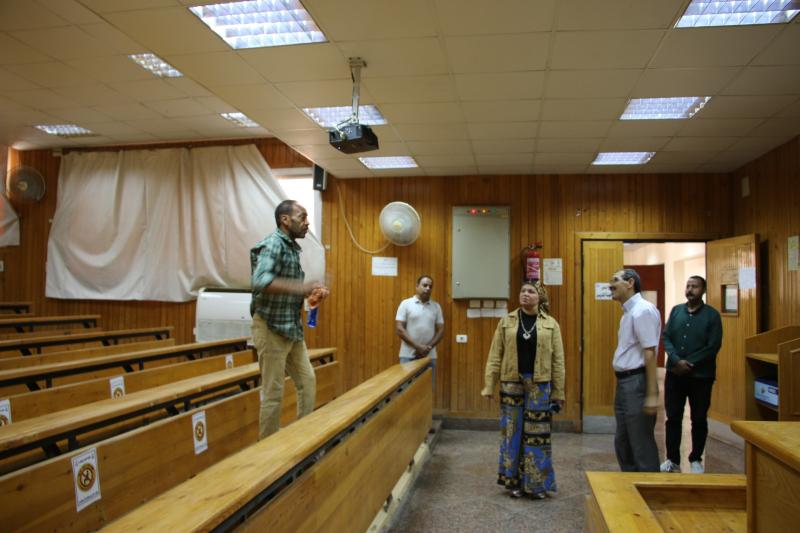
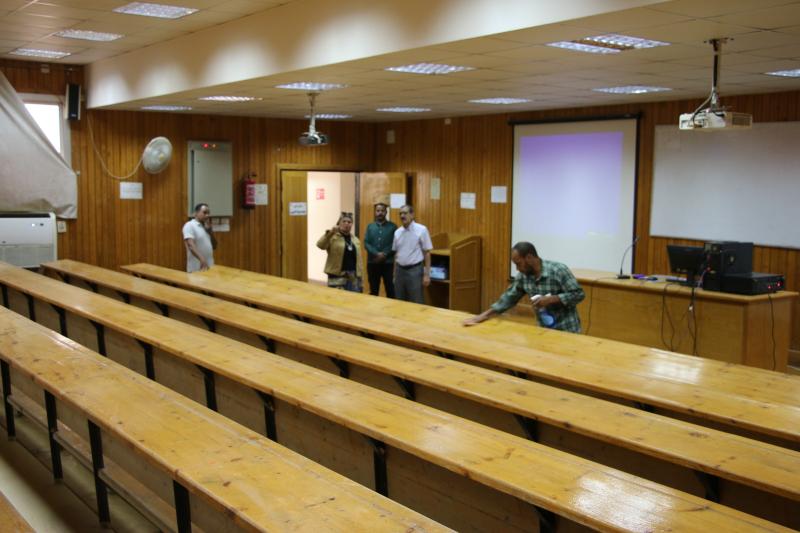
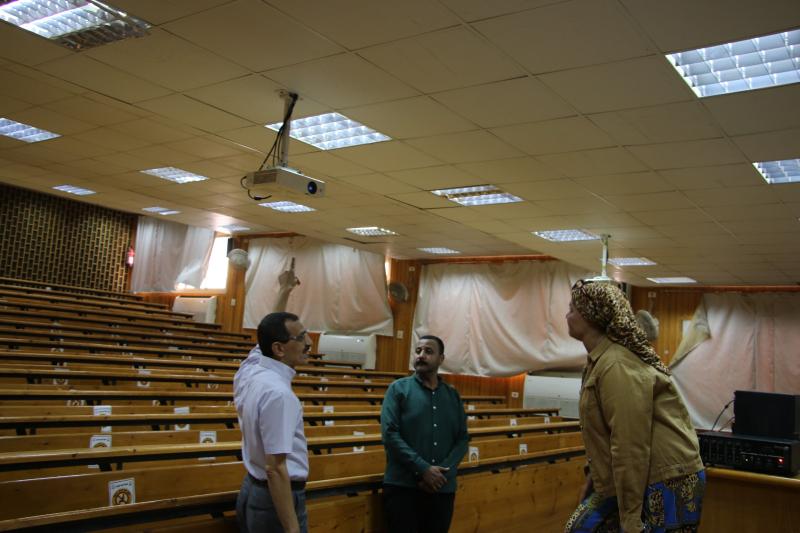
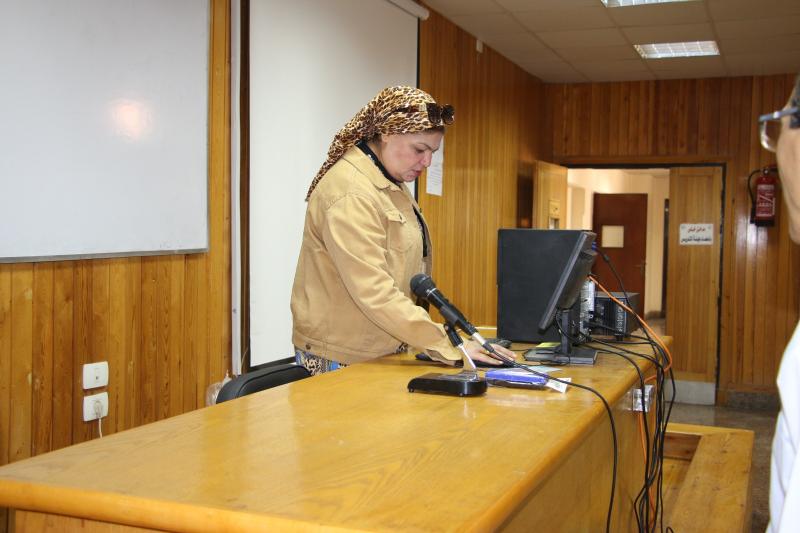
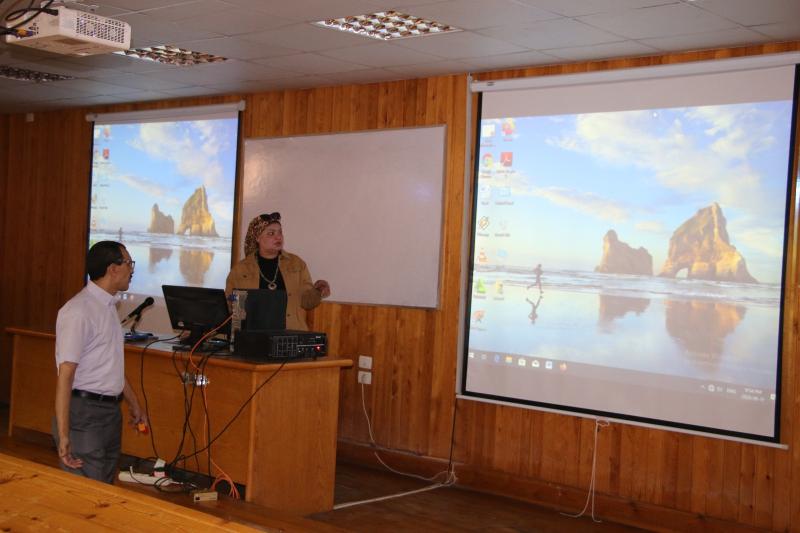
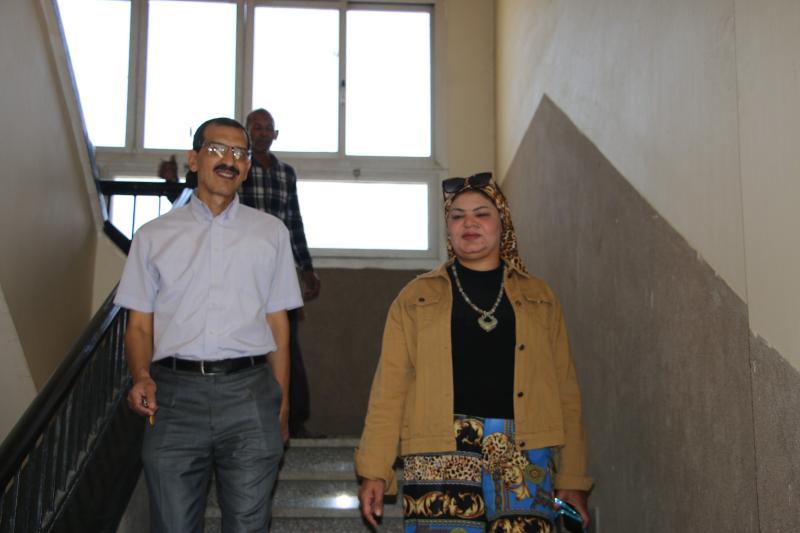
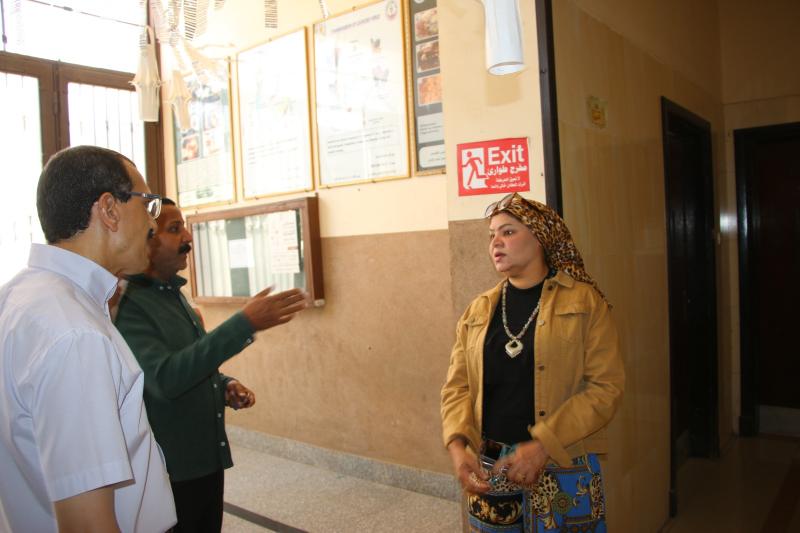
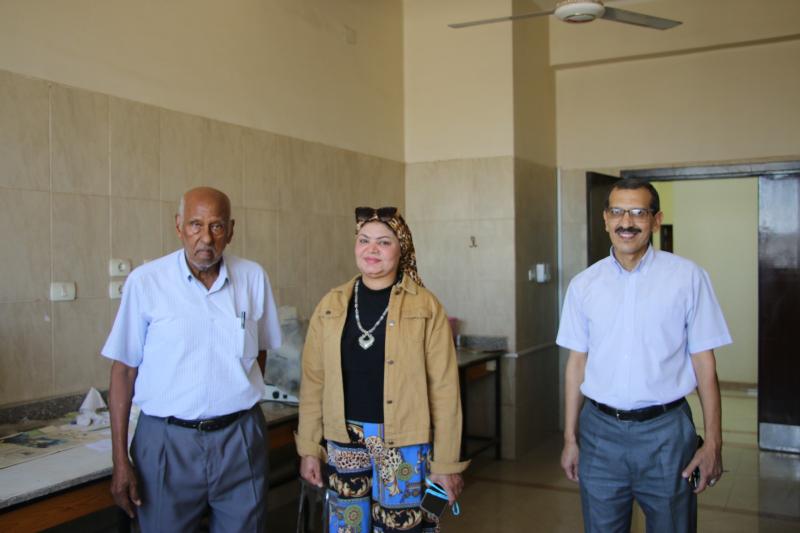
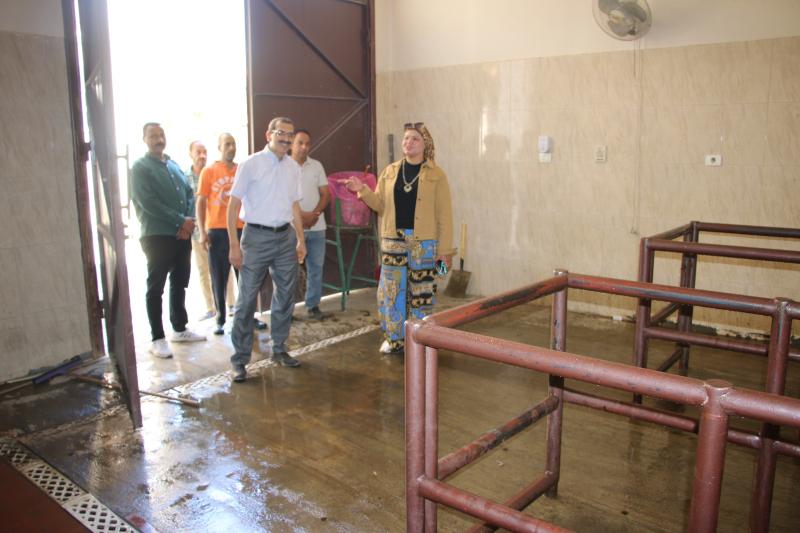
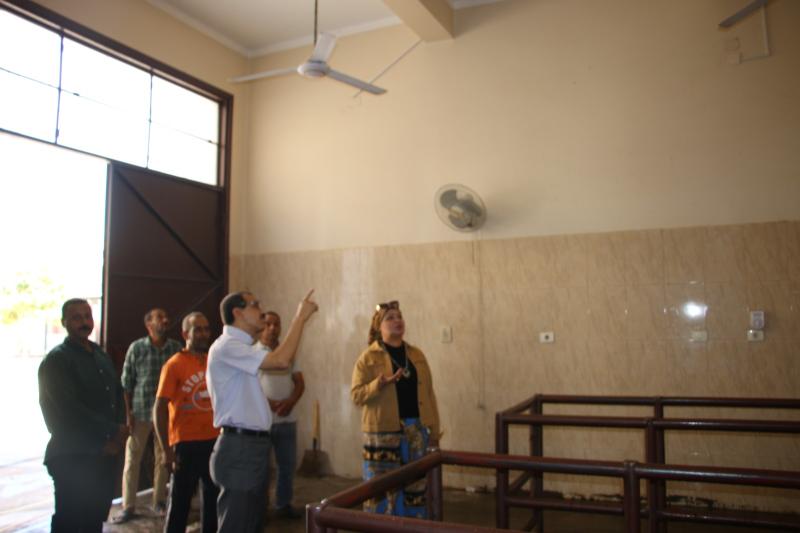
Within the framework of the keenness of the college administration to provide a safe and distinguished educational environment, and to complete the intensive preparations to receive the new academic year,  Prof. Dr.  Enas Ahmed Abdel Hafez, Dean of the College, conducted an  extensive inspection tour to follow up on the readiness of educational facilities and units, and to check on their readiness to receive students and the regularity of the educational process from the first day.

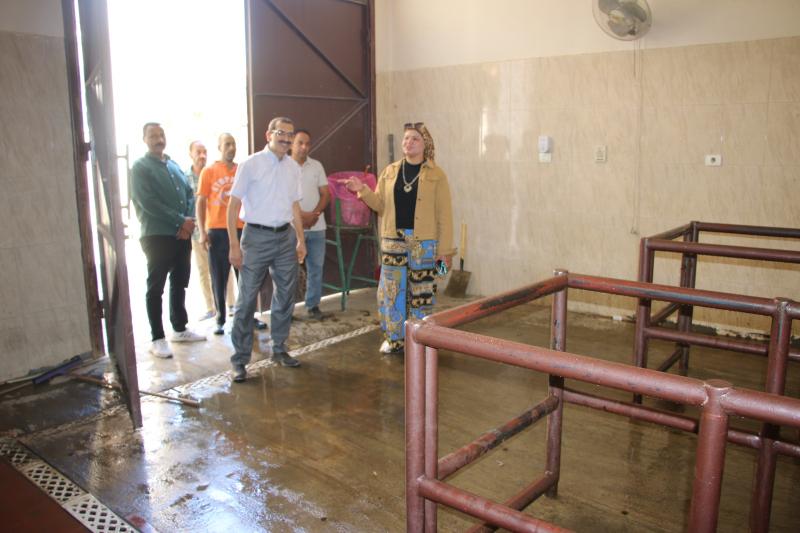
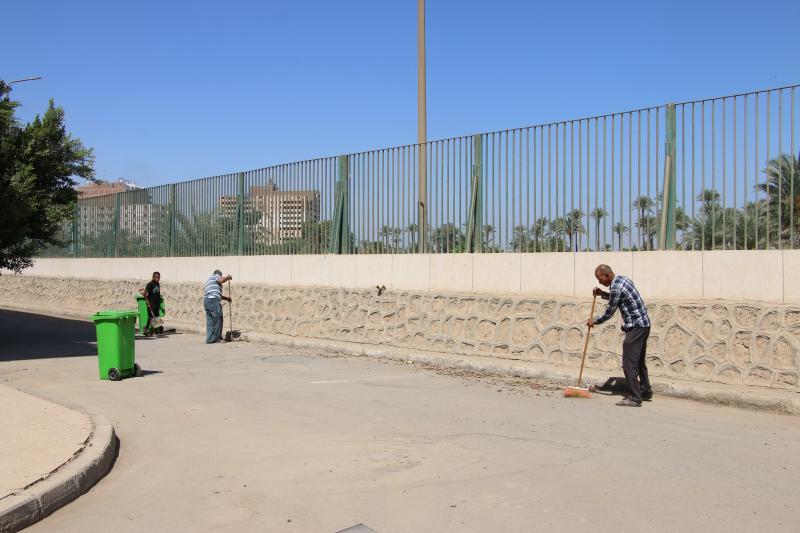
The tour included laboratories, terraces, buildings and educational facilities, an animal house, and the diagnostic radiology unit, where His  Excellency was keen  to inspect the equipment and facilities, check on the maintenance work, ensure the availability of safety and security requirements, in addition to following up on the regularity and proper functioning of work in various sectors.

This came in the presence of Prof. Dr. Mahmoud Mustafa,  Director of the Veterinary Teaching Hospital, where during the tour, the readiness of the facilities and related equipment was assessed, and the necessary preparations were followed up to ensure the regularity of work and provide a safe and suitable environment for students and workers.

Prof.   Dr. Enas Ahmed Abdel Hafez, Dean of the College, also directed the need to complete all equipment and maintenance works within the specified times, and to deal immediately with any observations that may affect the efficiency of operation or the safety of students and workers, stressing that creating a safe and integrated educational environment is a key priority to ensure a successful start to the new academic year.

This tour comes within the framework of the educational preparations for the new academic year, and the keenness of the college administration to ensure the readiness of various facilities, units and equipment that serve the educational and training process, in a way that contributes to providing an integrated academic environment that supports the quality of education and training.

At the end of the tour, the college's administration confirmed that it will continue to exert all efforts to complete educational preparations, improve the level of performance, and provide a safe and stimulating educational environment, in line with the aspirations of its students and support the college's march towards more excellence, quality and leadership.


Subscribe to