نجح فريق طبي بوحدة طب الجنين بمستشفى صحة المرأة بجامعة أسيوط في علاج جنين كان يعاني من أنيميا حادة أثناء الحمل، من خلال إجراء (4) جلسات لنقل الدم داخل الرحم (Intrauterine Transfusion)، أسهمت في تحسن حالته وإنقاذه من مضاعفات خطيرة.
جاء ذلك تحت رعاية الأستاذ الدكتور علاء عطية، عميد كلية الطب ورئيس مجلس إدارة المستشفيات الجامعية، وتحت إشراف الأستاذ الدكتور أحمد إبراهيم، مدير مستشفى صحة المرأة، والأستاذ الدكتور محمد فتح، رئيس قسم أمراض النساء والتوليد، والأستاذ الدكتور مصطفى حسين، رئيس وحدة طب الجنين.
وأوضح الفريق الطبي أنه فور تحويل الحالة إلى مستشفى صحة المرأة، تم إجراء فحص بالموجات فوق الصوتية رباعية الأبعاد للجنين، والذي أظهر وجود استسقاء بالبطن، وارتشاحًا تحت الجلد، إلى جانب تأثر واضح في وظائف قلب الجنين.
كما تم إجراء فحص دوبلر لشريان المخ الأوسط للجنين (MCA Doppler)، والذي أظهر مؤشرات قوية على وجود أنيميا شديدة، ليتم على الفور إجراء سحب عينة دم من الحبل السري للجنين (Cordocentesis)، وإجراء تحليل صورة الدم، حيث تبين أن مستوى الهيموجلوبين بلغ 2.7 جم/دل، وهو ما يعكس إصابة الجنين بأنيميا شديدة تهدد حياته.
وعلى الفور، تم تجهيز الأم لإجراء جلسات نقل الدم داخل الرحم، حيث مرت عملية تجهيز الدم بعدة مراحل دقيقة، شملت اختيار الفصيلة المناسبة، وفصل الدم وفلترته وتجهيزه، ثم تعريضه للإشعاع وفق الإجراءات الطبية المتبعة، قبل نقله إلى الجنين.
وتمكن الفريق الطبي من إجراء (4) جلسات لنقل الدم داخل الرحم على مدار (3) أسابيع، بواقع جلسة كل (5) أيام، مع متابعة دقيقة لحالة الجنين قبل وبعد كل جلسة.
وأظهرت نتائج الفحوصات بعد الجلسة الرابعة ارتفاع مستوى الهيموجلوبين لدى الجنين من 2.7 إلى 9.7 جم/دل، إلى جانب اختفاء الارتشاح تحت الجلد وتحسن ملحوظ في وظائف القلب، بما عكس استجابة إيجابية للعلاج.
كما خضعت الأم لمتابعة طبية دقيقة طوال فترة الحمل، مع إعطائها الأدوية اللازمة للمساعدة على اكتمال نمو رئتي ومخ الجنين (Steroids & Magnesium Sulphate)، إلى أن تمت الولادة داخل المستشفى، حيث أظهرت صورة الدم عقب الولادة وصول مستوى الهيموجلوبين لدى الطفل إلى 9.5 جم/دل، وتم وضعه تحت الملاحظة والمتابعة الطبية المستمرة.
أُجريت جلسات نقل الدم داخل الرحم بواسطة الدكتور محمد جمال فكري، مدرس أمراض النساء والتوليد واستشاري وحدة طب الجنين، يعاونه كل من الطبيب محمد أيمن، والطبيب محمد حسني، والطبيب مصطفى عسقلاني، نواب القسم، ومن هيئة التمريض، الأستاذة منى حسين، والأستاذة شيماء حسين، والأستاذة سمر محمد، وتحت إشراف الأستاذة سعدية جرس، مشرفة التمريض بالقسم.
كما تم تجهيز الدم المستخدم في عمليات النقل من خلال فريق أطباء بنك الدم بالمستشفى، تحت إشراف الأستاذة الدكتورة إيمان نصر الدين، أستاذ الباثولوجيا الإكلينيكية، ومدير بنك الدم.
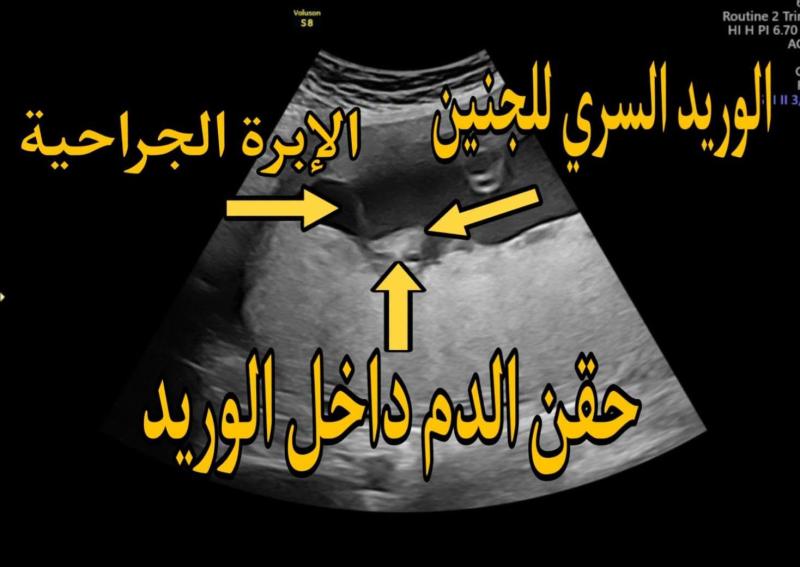
ويُعد نقل الدم داخل الرحم من أدق وأصعب الإجراءات العلاجية في مجال طب الجنين، حيث يتم إدخال إبرة دقيقة عبر جدار بطن الأم، وتوجيهها باستخدام الموجات فوق الصوتية حتى تصل إلى الوريد بالحبل السري للجنين، ثم يتم نقل الدم المجهز إليه بمعدلات محسوبة بدقة تتناسب مع حالته ووظائف القلب.
ويتطلب هذا النوع من التدخلات مستوى عاليا من المهارة والخبرة في استخدام الموجات فوق الصوتية، إلى جانب الدقة الشديدة في توجيه الإبرة إلى المكان المحدد داخل الحبل السري، بما يضمن تحقيق أكبر استفادة علاجية مع تقليل المخاطر المحتملة.
وتأتي هذه الحالة في إطار ما تقدمه وحدة طب الجنين بمستشفى صحة المرأة الجامعي من خدمات متخصصة في مجال تشخيص وعلاج الحالات الحرجة للأجنة، حيث تُعد الوحدة من أوائل الوحدات المتخصصة في صعيد مصر التي تجري هذا النوع من التدخلات، وتواصل تقديم عمليات نقل الدم داخل الرحم على مدار العامين الماضيين، بما يعكس تطور مستوى الخدمات الطبية المتخصصة المقدمة بالمستشفى، وحرصها على مواكبة أحدث التقنيات العالمية في مجال طب الجنين، وتوفير رعاية طبية متقدمة للأمهات والأجنة.
 Do you have any questions?