


Ultrasensitive and selective molecularly imprinted electrochemical oxaliplatin sensor based on a novel nitrogen-doped carbon nanotubes/Ag@cu MOF as a signal enhancer and reporter nanohybrid

Research Abstract

A sensitive and selective molecular imprinted polymeric network (MIP) electrochemical sensor is proposed for the determination of anti-cancer drug oxaliplatin (OXAL). The polymeric network [poly(pyrrole)] was electrodeposited on a glassy carbon electrode (GCE) modified with silver nanoparticles (Ag) functionalized Cu-metal organic framework (Cu-BDC) and nitrogen-doped carbon nanotubes (N-CNTs). The MIP-Ag@Cu-BDC /N-CNTs/GCE showed an observable reduction peak at −0.14 V, which corresponds to the Cu-BDC reduction. This peak increased and decreased by eluting and rebinding of OXAL, respectively. The binding constant between OXAL and Cu-BDC was calculated to be 3.5 ± 0.1 × 107 mol−1 L. The electrochemical signal (∆i) increased with increasing OXAL concentration in the range 0.056–200 ng mL−1 with a limit of detection (LOD, S/N = 3) of 0.016 ng mL−1. The combination of N-CNTs and Ag@Cu-BDC improves both the conductivity and the anchoring sites for binding the polymer film on the surface of the electrode. The MIP-based electrochemical sensor offered outstanding sensitivity, selectivity, reproducibility, and stability. The MIP-Ag@Cu-BDC /N-CNTs/GCE was applied to determine OXAL in pharmaceutical injections, human plasma, and urine samples with good recoveries (97.5–105%) and acceptable relative standard deviations (RSDs = 1.8–3.2%). Factors affecting fabrication of MIP and OXAL determination were optimized using standard orthogonal design using L25 (56) matrix. This MIP based electrochemical sensor opens a new venue for the fabrication of other similar  sensors and biosensors.

Research Authors
Mater H. Mahnashi, Ashraf M. Mahmoud, Khalid Alhazzani, A. Z. Alanazi, Ali Mohammed Alaseem, Mohammad M. Algahtani & Mohamed M. El-Wekil
Research Date
Research Journal
Microchimica Acta
Research Publisher
Springer
Research Rank
Q1
Research Vol
188
Research Year
2021

Enhanced molecular imprinted electrochemical sensing of histamine based on signal reporting nanohybrid

Research Abstract

In this research paper, a highly sensitive and selective molecular imprinted polymeric network (MIP) based electrochemical sensor was developed for the determination of histamine (HIS). The functional monomer (pyrrole) was electro-polymerized over the surface of AuNPs functionalized Fe-metal organic framework (Fe-BDC) and nitrogen-sulfur co-doped graphene quantum dots (N, S-GQDs). The MIP-Au@Fe-BDC/ N, S-GQDs /GCE exhibited an observable peak at −0.12 V, which corresponds to the anodic peak of Fe-BDC. This peak was increased and decreased by eluting and rebinding of HIS, respectively. This might be due to the binding constant between Fe-BDC and HIS is 3.5 × 106 mol−1 L. The electrochemical signal (Δi) was increased with the increase of HIS concentration in the range of 0.078–250 nM with a limit of detection (LOD, S/N = 3) of 0.026 nM. The combination of N, S-GQDs and Au@Fe-BDC improves the conductivity and the anchoring sites for binding the polymer film on the surface of the modified electrode. Factors affecting fabrication of MIP and HIS determination were optimized using standard orthogonal design using L25 (56) matrix. The MIP-based electrochemical sensor offered outstanding sensitivity, selectivity, reproducibility, and stability. The proposed electrode was used to quantify HIS in human serum and canned tuna fish samples with recoveries % and relative standard of deviations % (RSDs %) in the range of 97.2–103 % and 1.8–3.8%, respectively. The as-synthesized MIP-based electrochemical sensor opens a new venue for the fabrication of MIP-based sensors and biosensors.
Research Authors
Mater H Mahnashi, Ashraf M Mahmoud, Khalid Alhazzani, AZ Alanazi, Mohammad M Algahtani, Ali Mohammed Alaseem, Yahya SA Alqahtani, Mohamed M El-Wekil
Research Date
Research Journal
Microchemical Journal
Research Publisher
ElSevier
Research Rank
Q1
Research Vol
168
Research Year
2021

Ivermectin detection using Ag@ B, S co-doped reduced graphene oxide nanohybrid

Research Abstract

Silver nanoparticles (AgNPs) modified boron and sulfur co-doped reduced graphene oxide (B, S@rGO) were prepared by one-pot hydrothermal method for the first time. The combination between AgNPs and B, S@rGO decreases stacking of B, S@rGO and decreases the particle size of AgNPs; in addition, it enhances the effective surface area and electro-catalytic activities of the nanocomposite. The morphology and structure of AgNPs/B, S@rGO were characterized by scanning electron microscope (SEM), transmission electron microscope (TEM), powder X-ray diffraction (PXRD), Fourier transform infrared spectroscopy (FTIR), energy-dispersive X-ray spectroscopy (EDX), X-ray photoelectron microscope (XPS), Raman spectroscopy, UV-Vis spectroscopy, thermogravimetric analysis (TGA), and Brunauer–Emmett–Teller (BET). The electro-catalytic activity of AgNPs/B, S@rGO was studied using cyclic voltammetry (CV), electron impedance spectroscopy (EIS), and differential pulse voltammetry (DPV). Because of the synergetic effects of AgNPs and B, S@rGO, the modified electrode displayed considerably enhanced sensitivity to ivermectin (IVM) determination. The voltammetric response is linear over the range of 0.3–60.0 nM with LOD (S/N = 3) of 0.1 nM. The proposed sensor exhibited good selectivity, reproducibility, and long-term stability. The modified electrode was used to analyze IVM in injections, urine, and tap-water with recoveries % of 99.6–105.8% and RSDs of 2.14–3.65%.

Research Authors
Mater H.Mahnashi, Ashraf M. Mahmoud, Saad A. Alkahtani, Mohamed M. El-Wekil
Research Date
Research Journal
Journal of Alloys and Compounds
Research Publisher
ElSevier
Research Rank
Q1
Research Vol
871
Research Year
2021

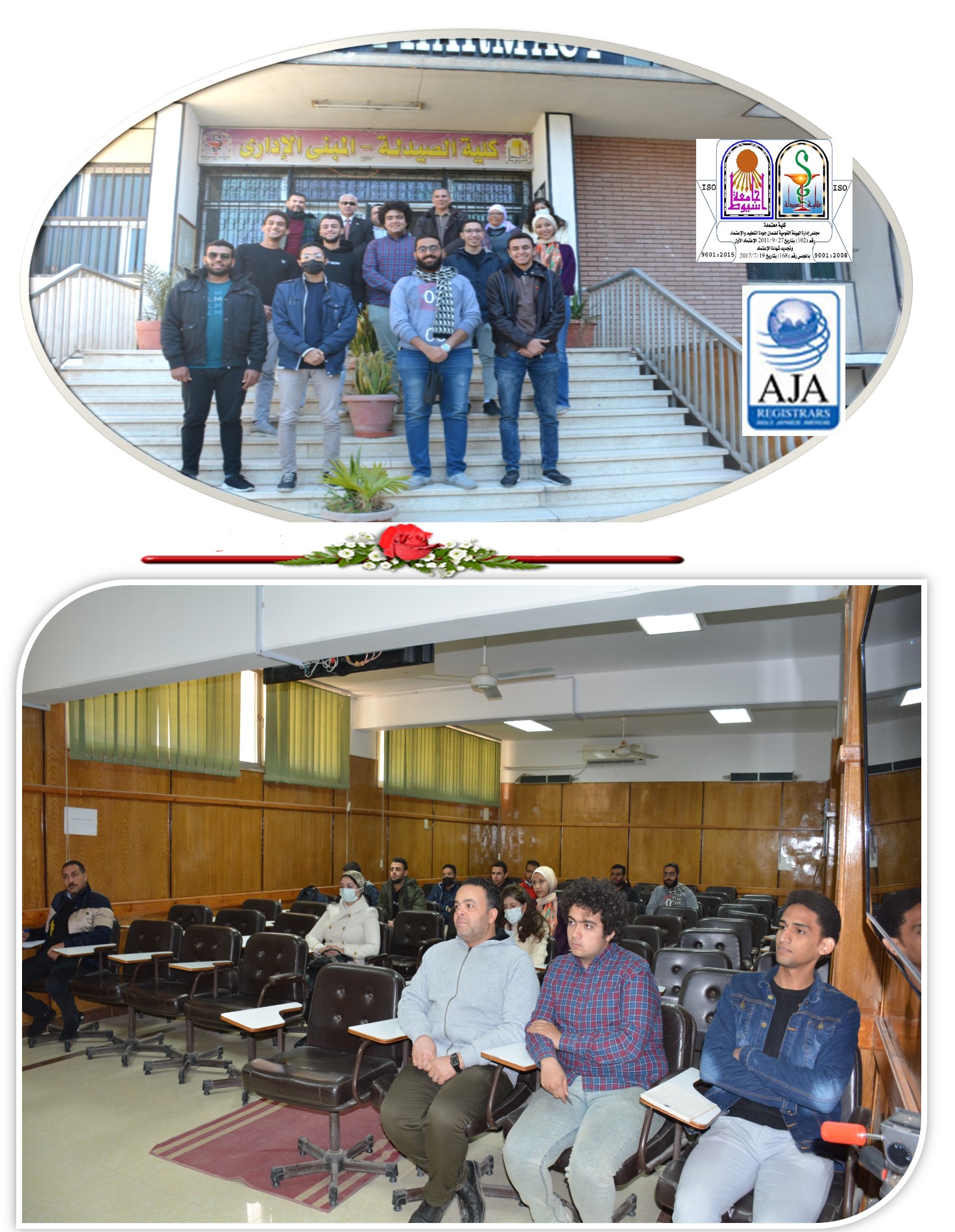
The first meeting of the Faculty of Pharmacy Students' Union For the academic year 2021/2022

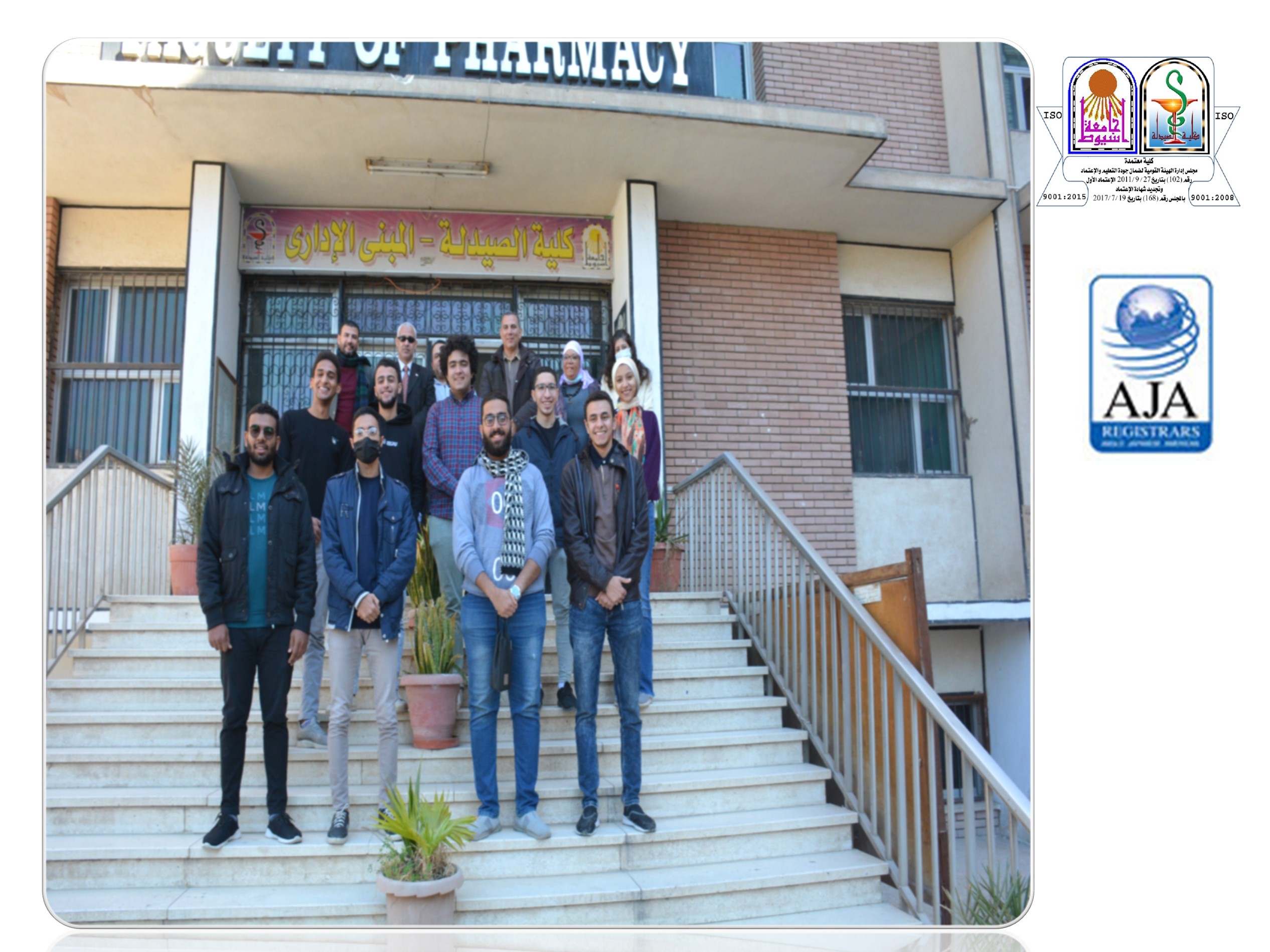
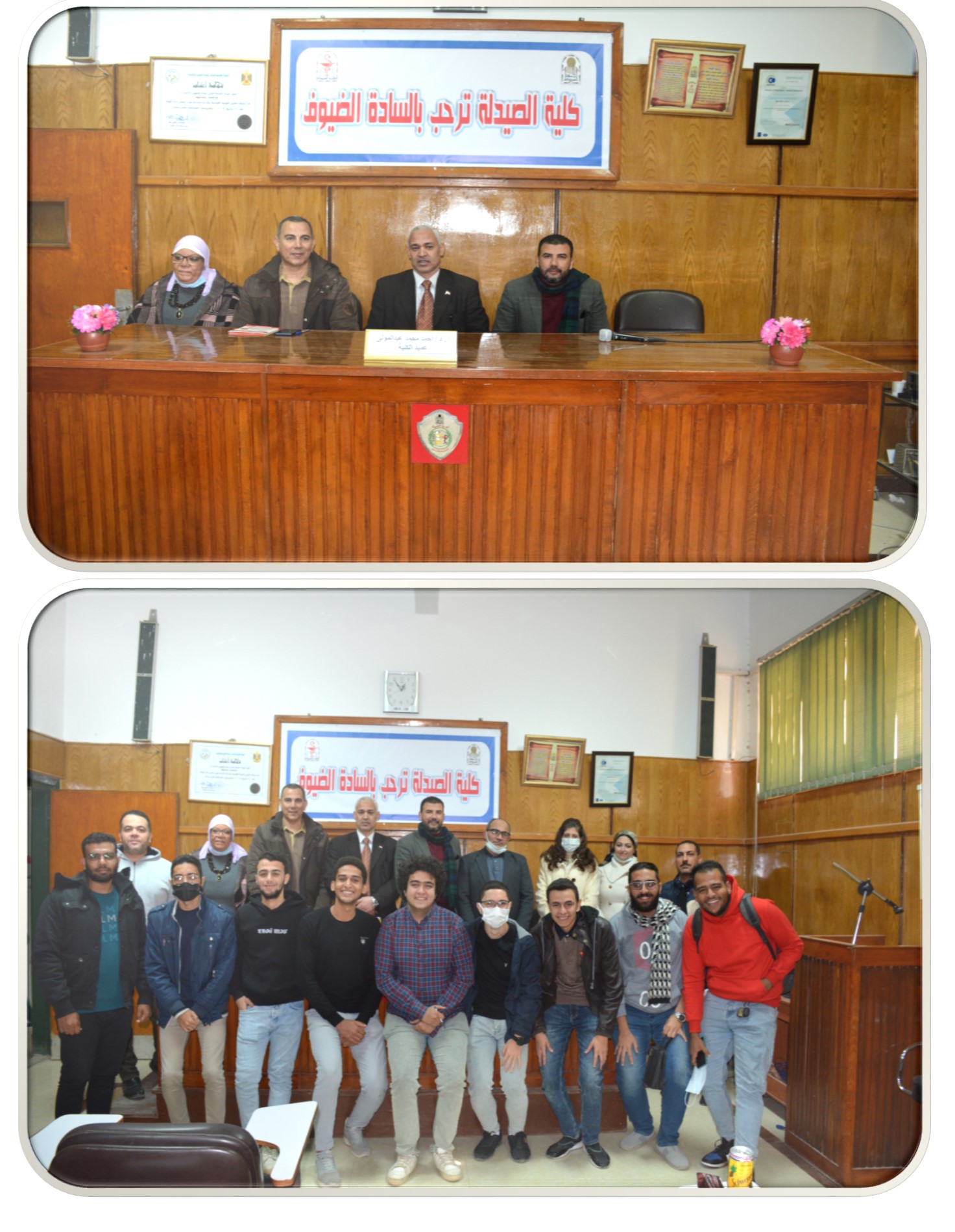
Prof. Dr. Ahmed Mohamed Abdel Mawla, Dean of the Faculty, held the first meeting with the Faculty Students’ Union, in the presence of Prof. Dr. Hisham Mohamed Tawfik – Head of Industrial Pharmaceutical and Student Activities Coordinator, Faculty members, committee advisors, and Mr. Tarek Sayed Hassan – The Secretary of the Faculty and the Director of the Youth Welfare Department, to discuss the Faculty’s plan for student activities for the academic year 2021/2022, on Saturday, December 25, 2021 in the Faculty Celebration Hall.

الإجتماع الأول لإتحاد طلاب كلية الصيدلة للعام الجامعى 2021/2022م

الإجتماع الأول لإتحاد طلاب كلية الصيدلة للعام الجامعى 2021/2022م

news category
خبر عام

The family of the Faculty of Pharmacy congratulates to Prof. Dr. Tahani Hassan Al-Faham - Professor in the Department of Pharmaceutics on the occasion of her employment as supervisor of the drug information center in the Faculty.

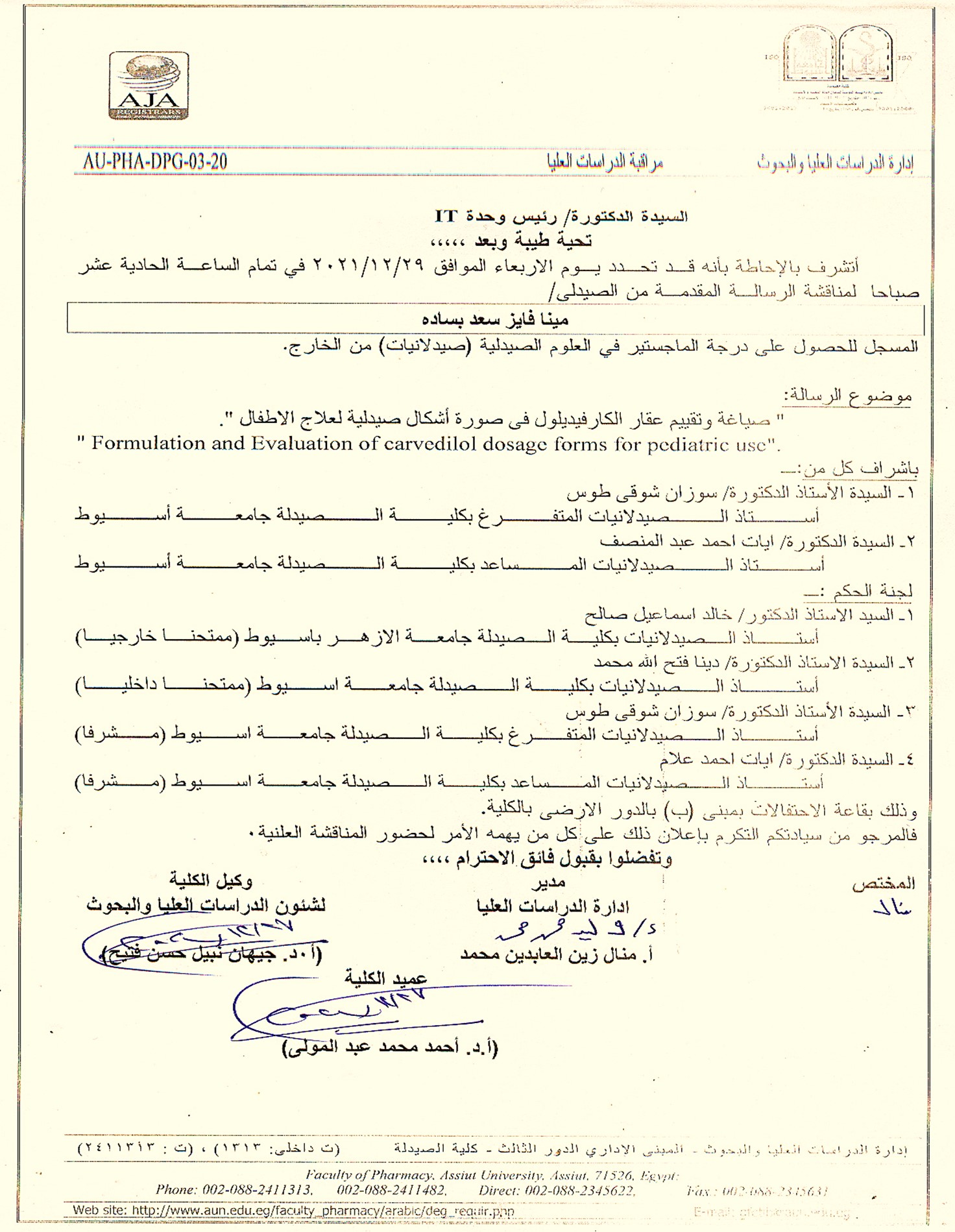
Viva of the thesis submitted by the pharmacist/ Mina Fayez Saad Sadeh - who is registered for a master's degree in pharmaceutical sciences (pharmaceutics) from abroad on Wednesday, 29-12-2021 at eleven o'clock in the morning

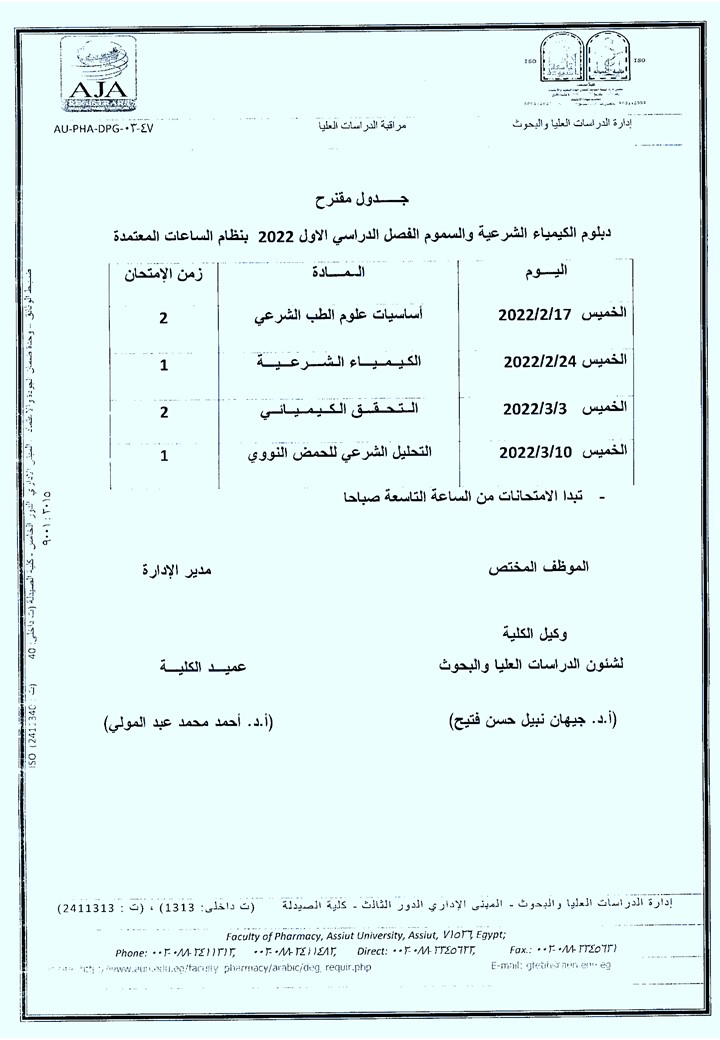
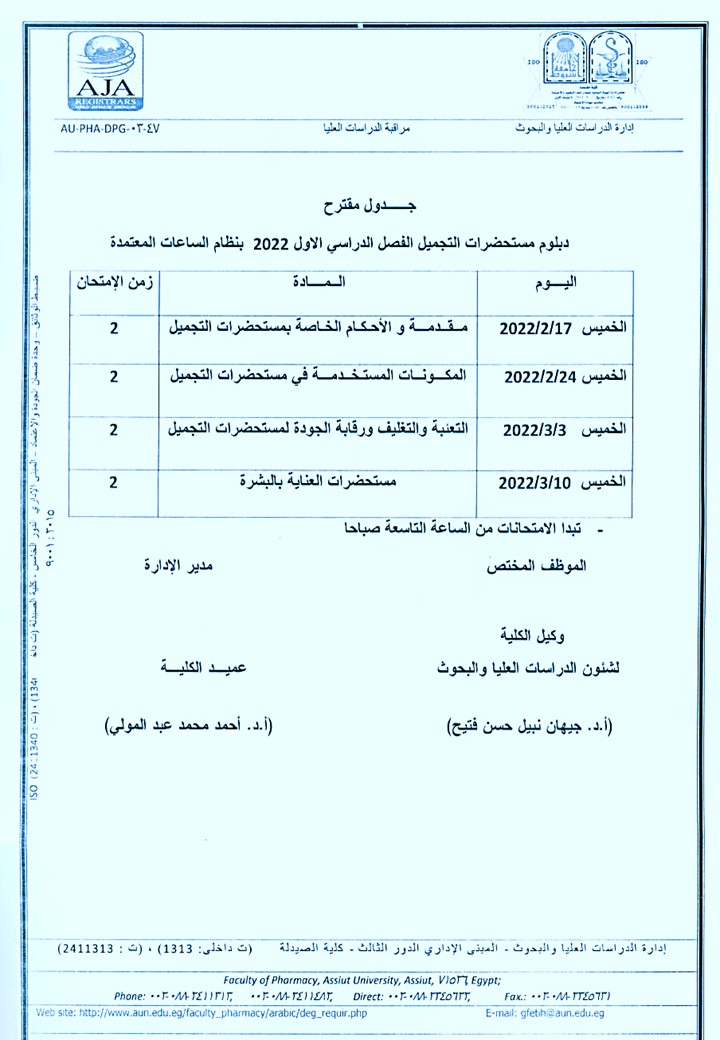
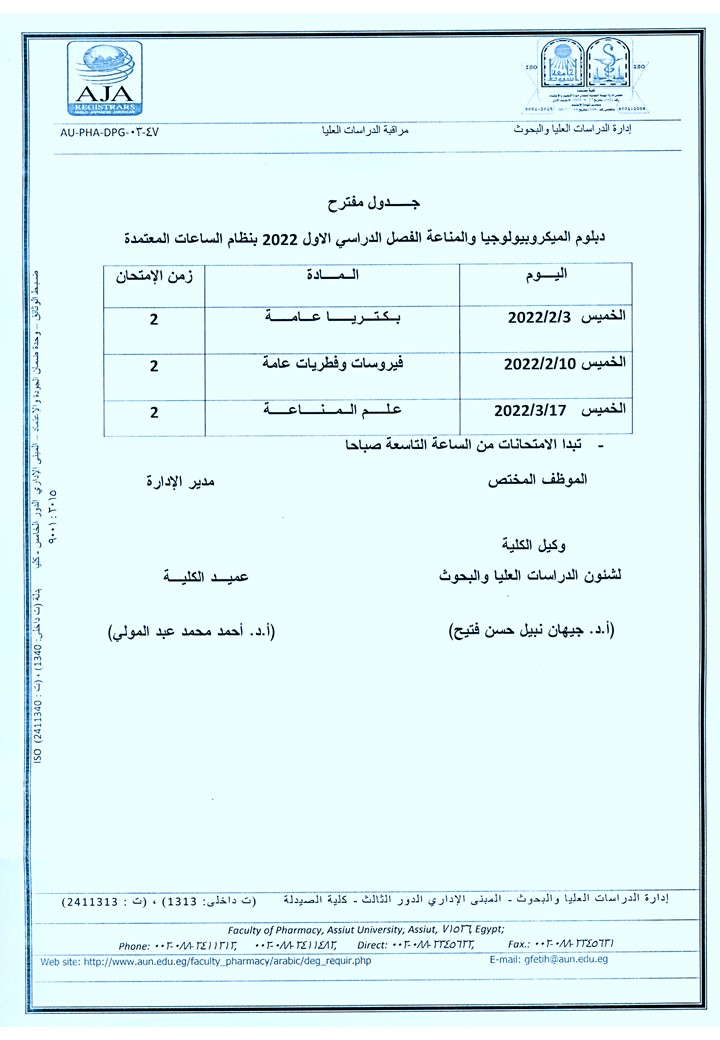
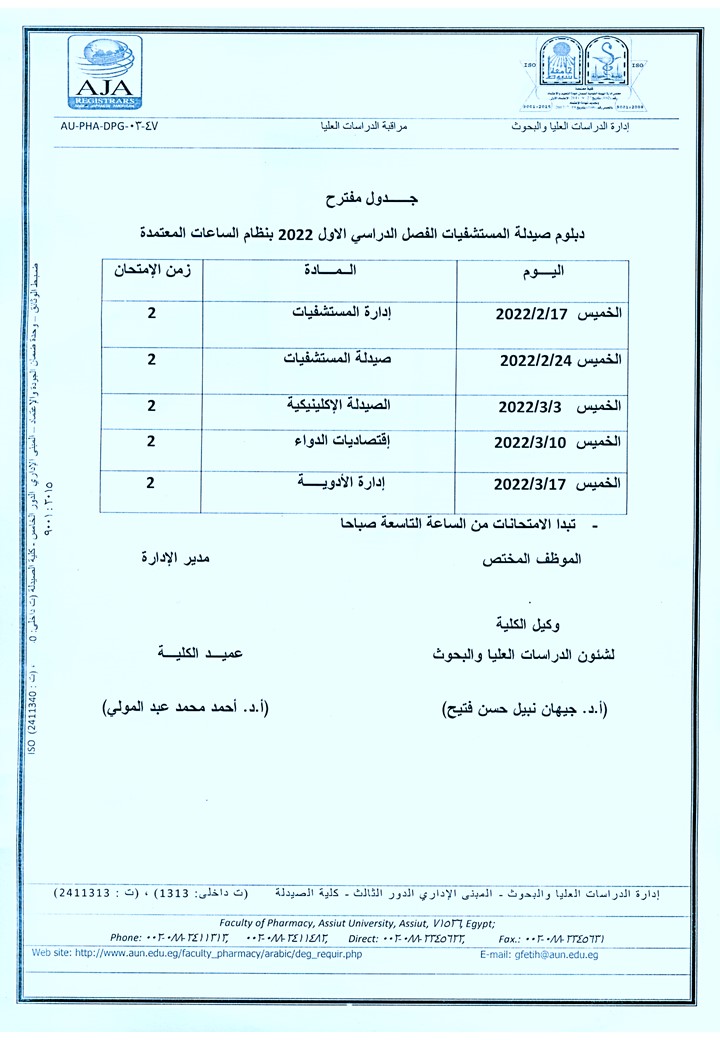
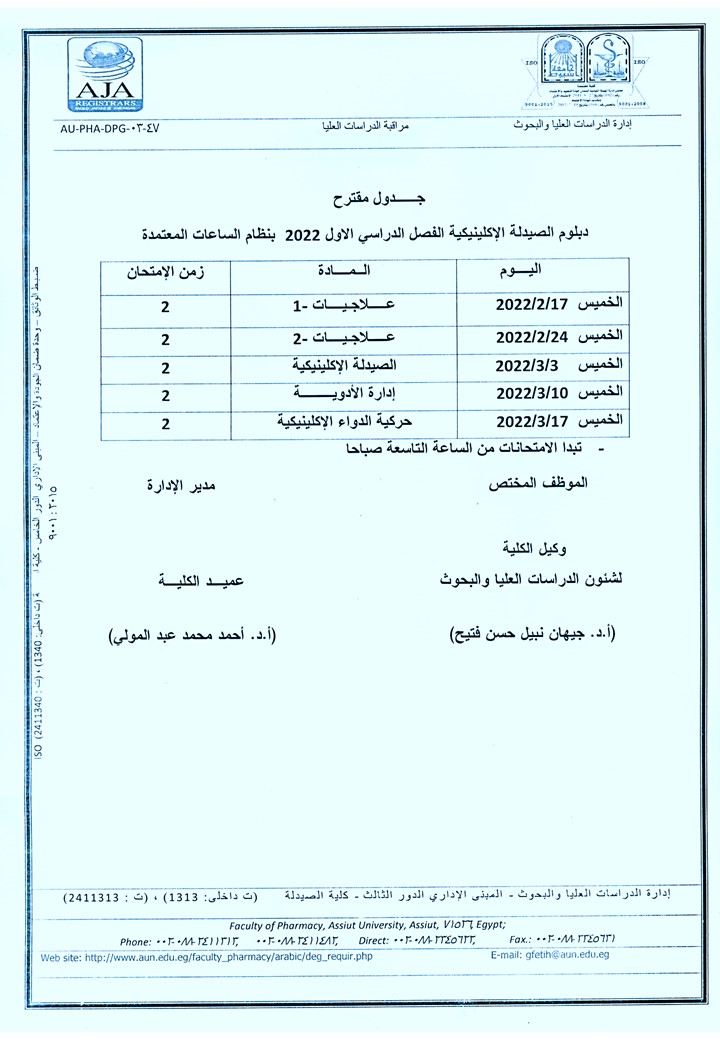
A proposed schedule for the examinations for Diploma (Nutrition Diploma - Diploma in Forensic Chemistry and Toxicology - Diploma in Clinical Pharmacy - Diploma in Cosmetics - Diploma in Microbiology and Immunology - Diploma in Hospital Pharmacy)

Subscribe to