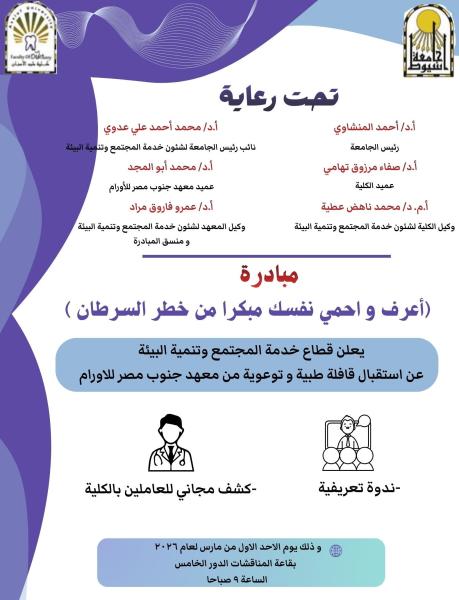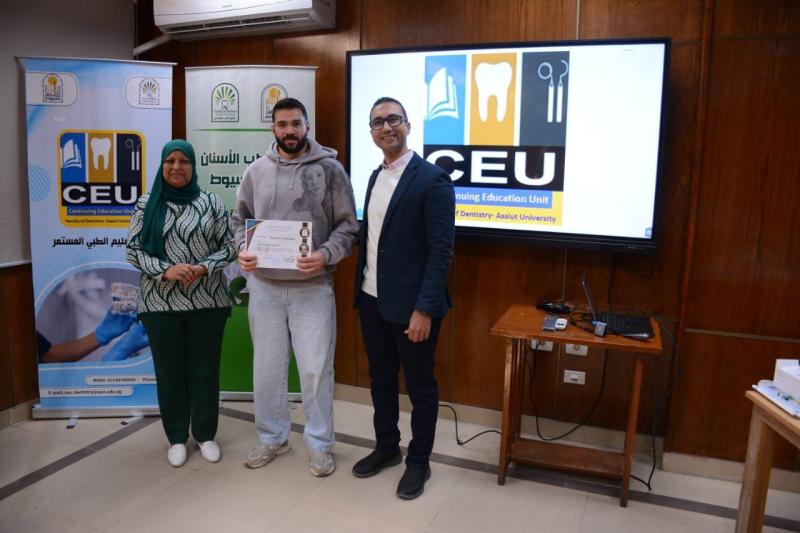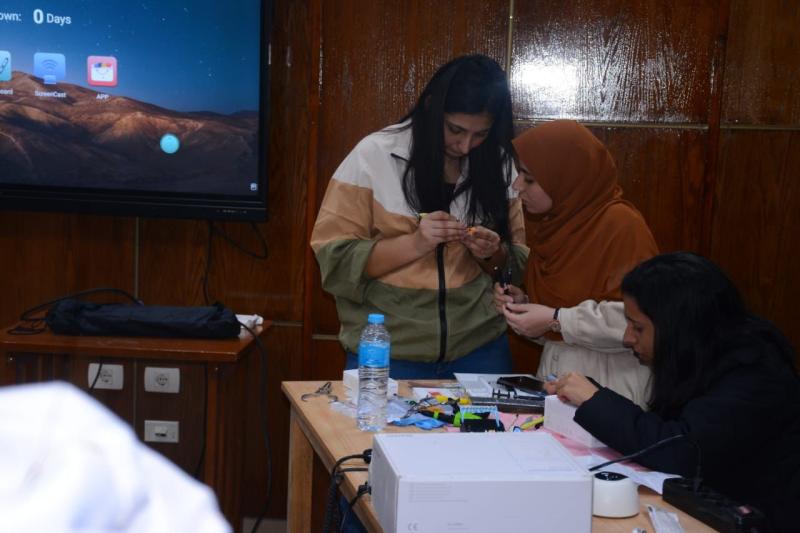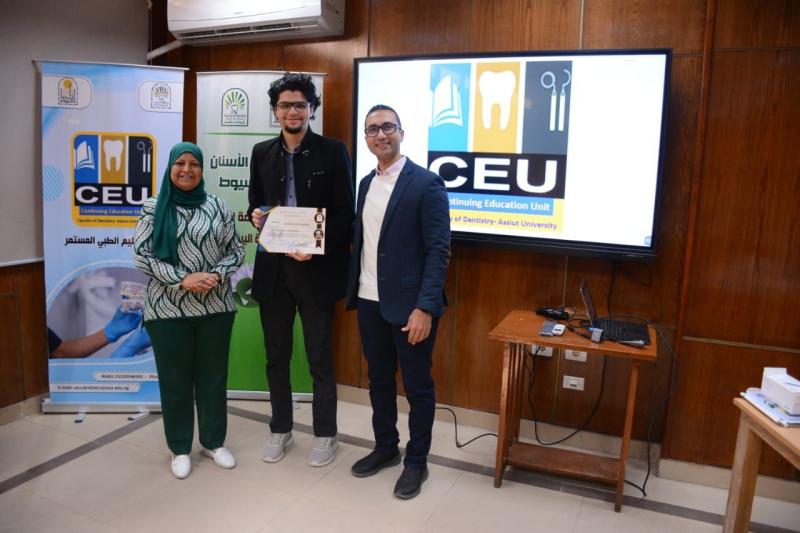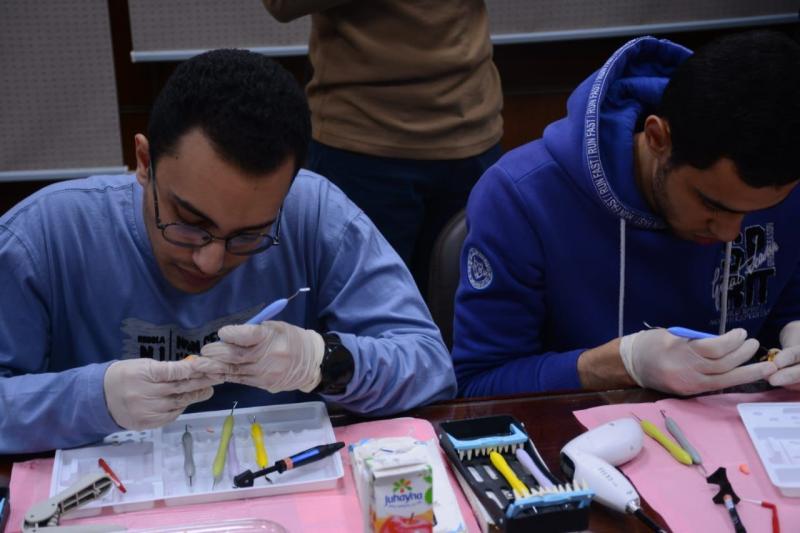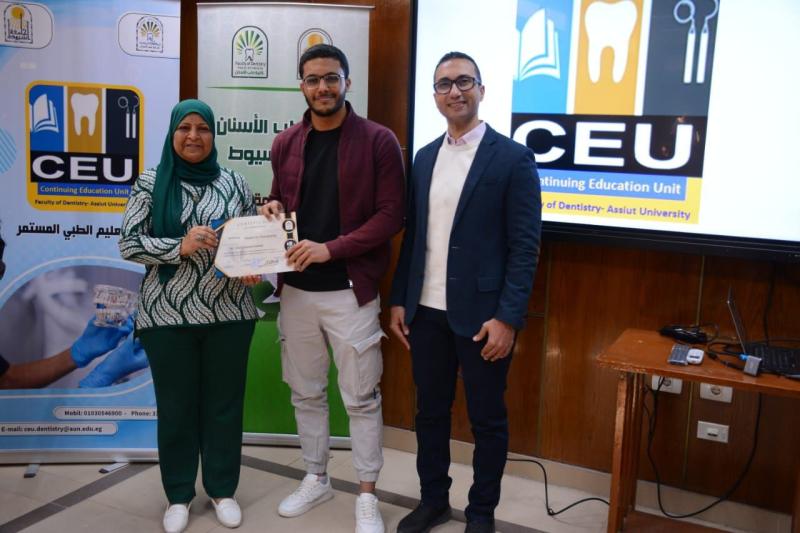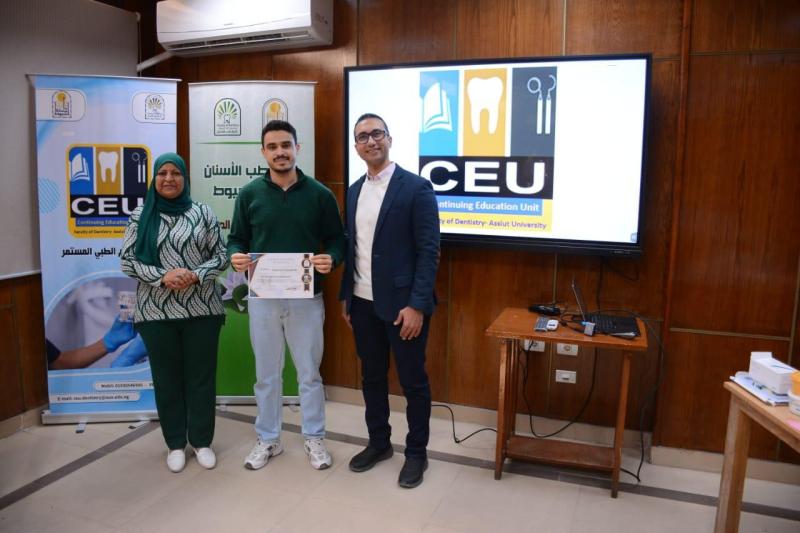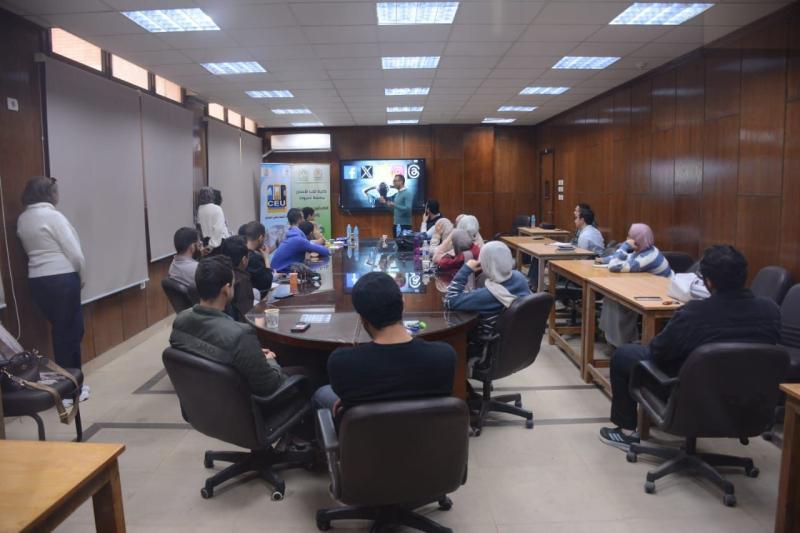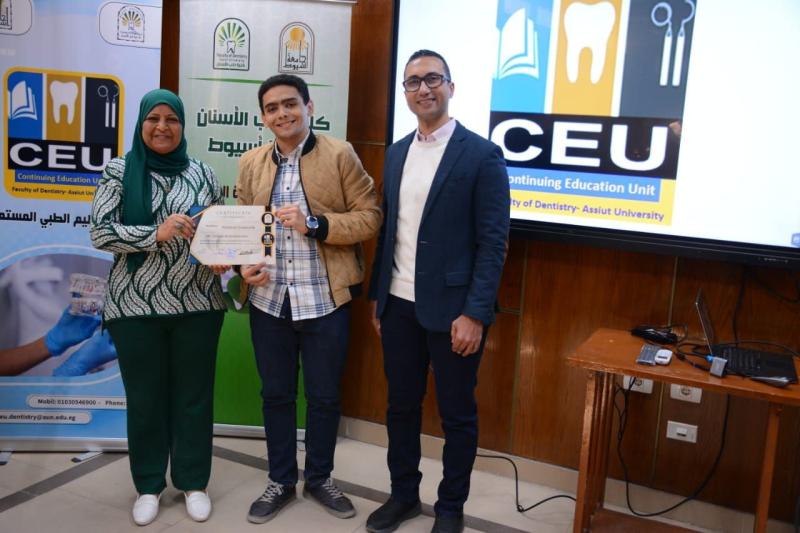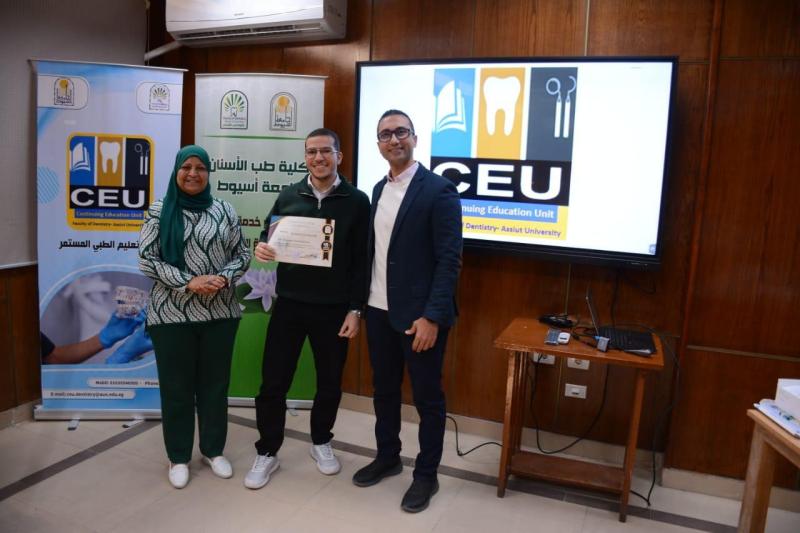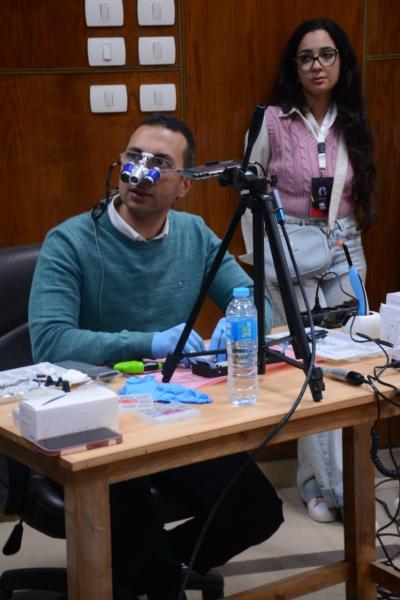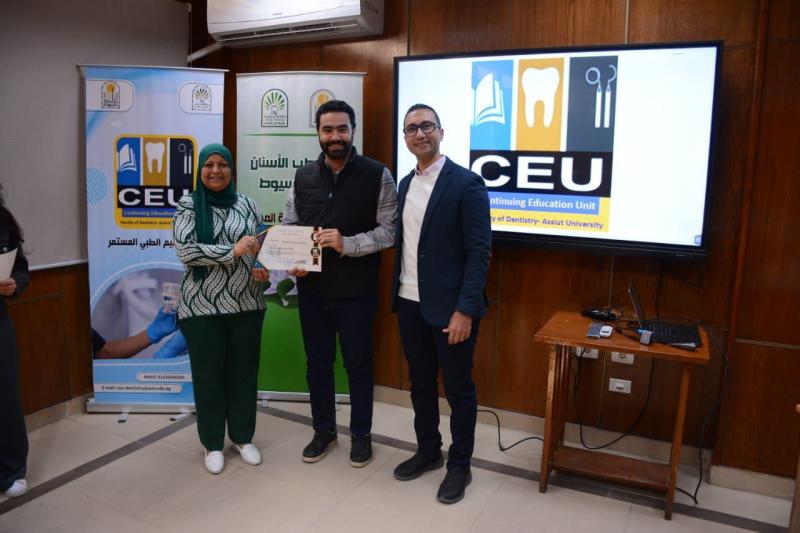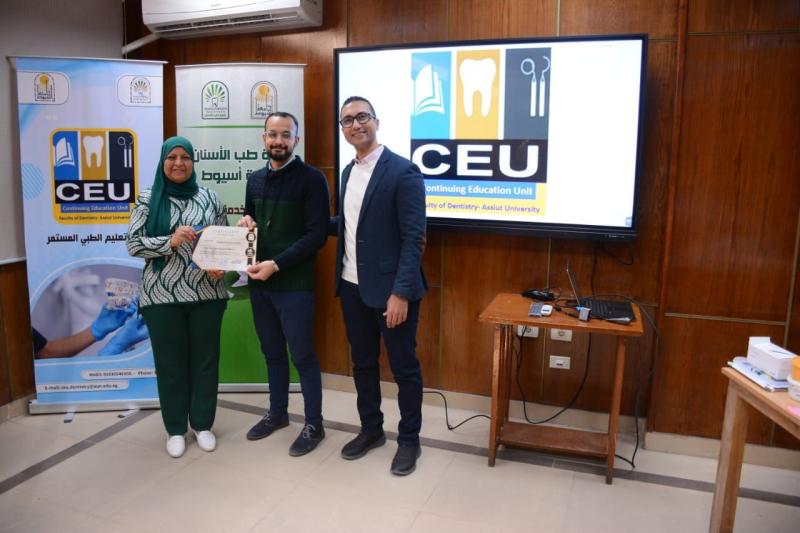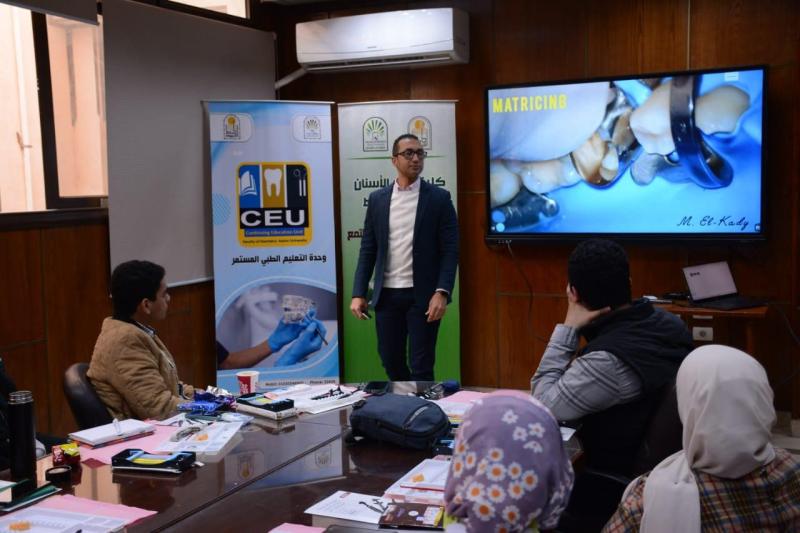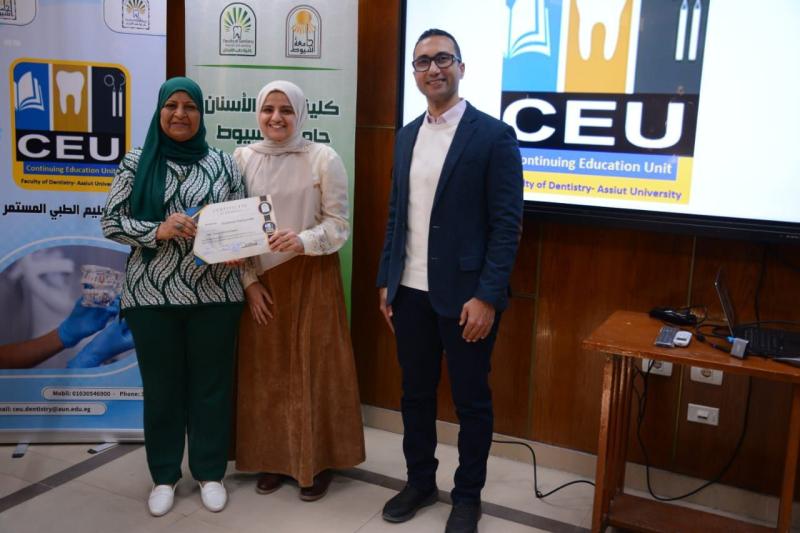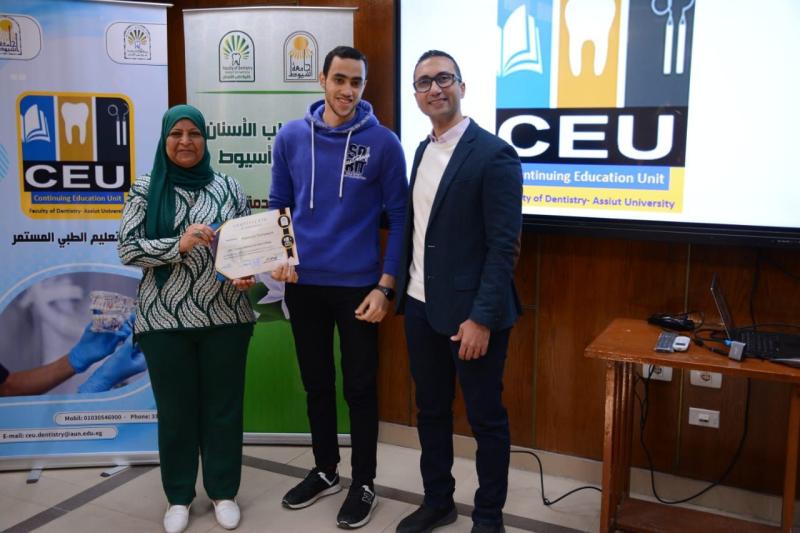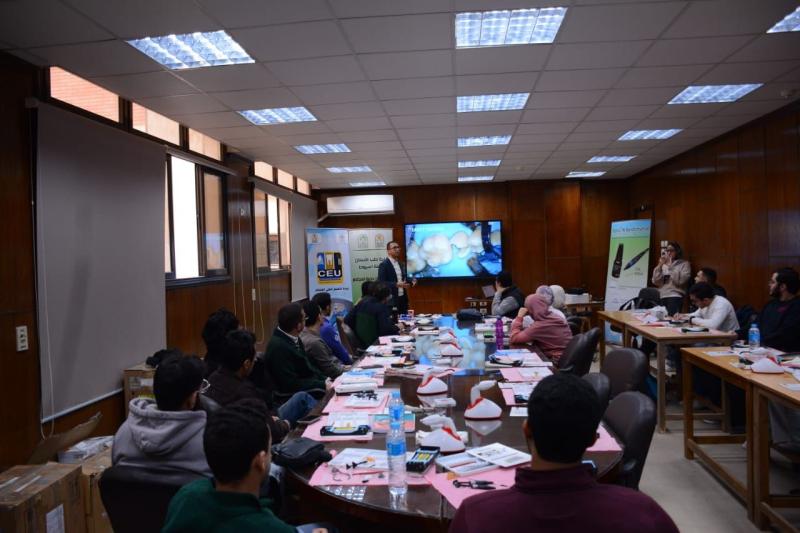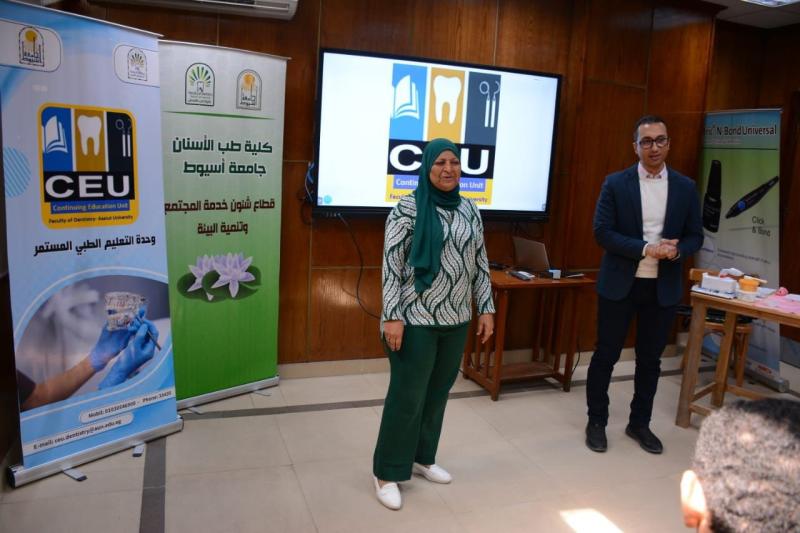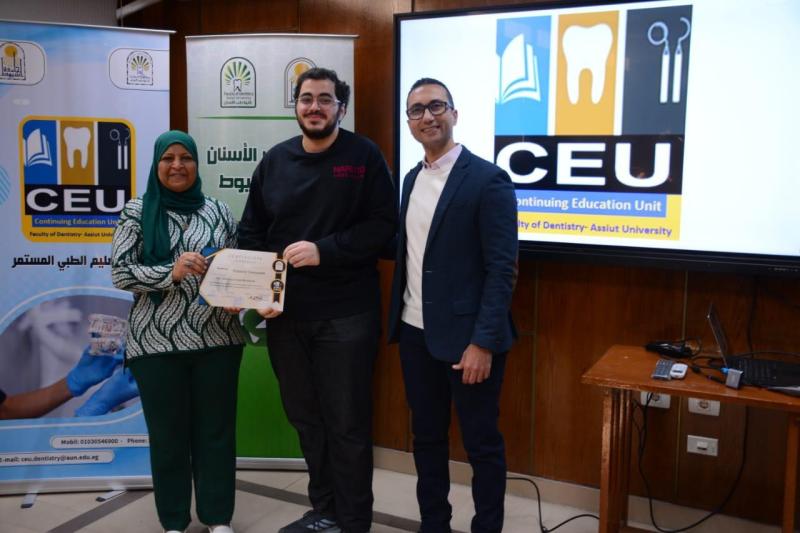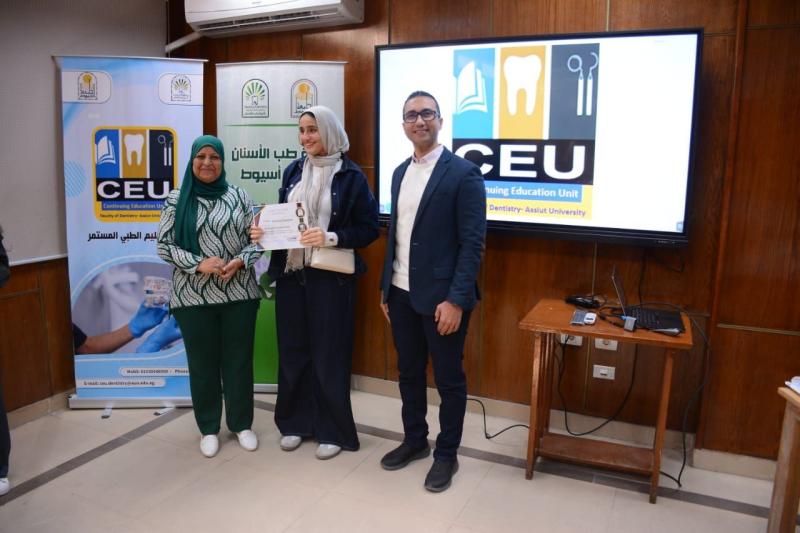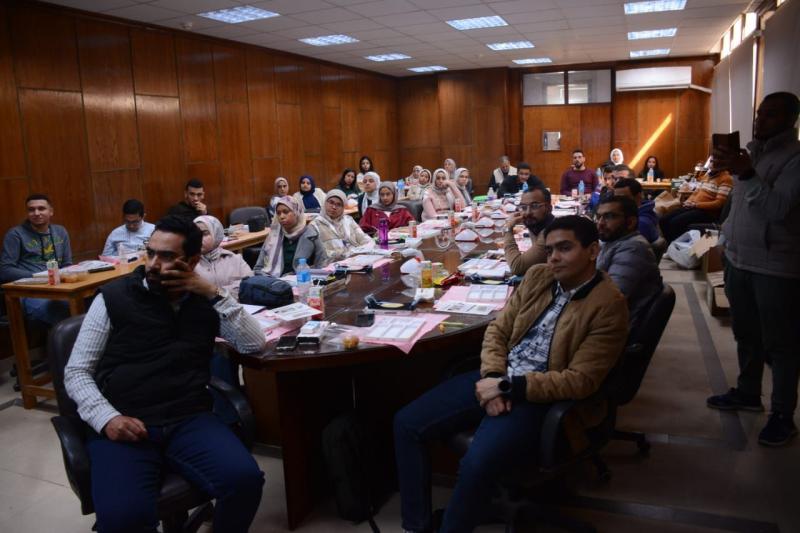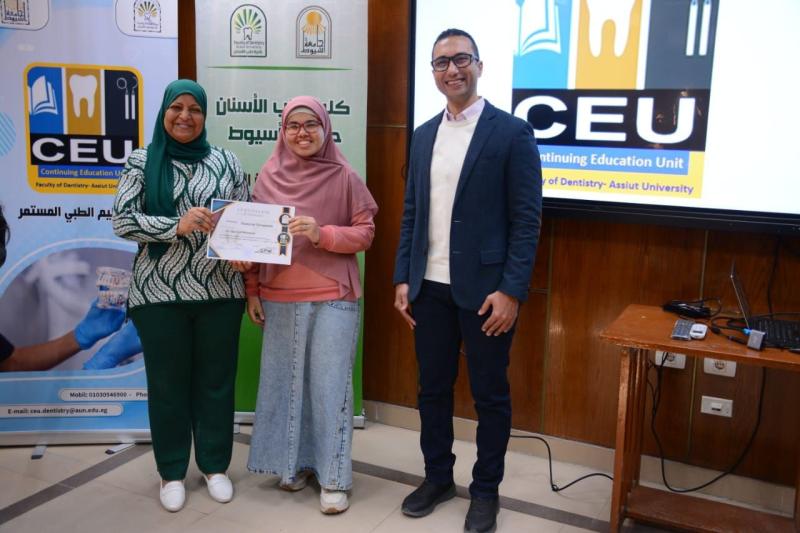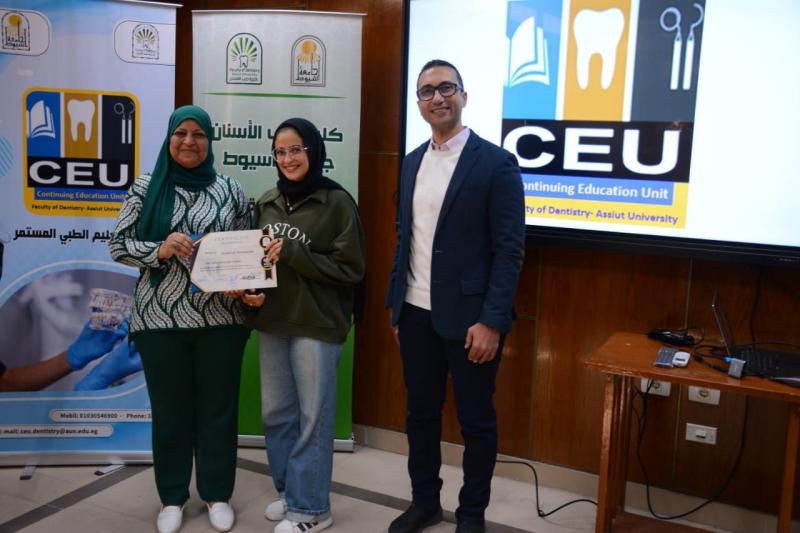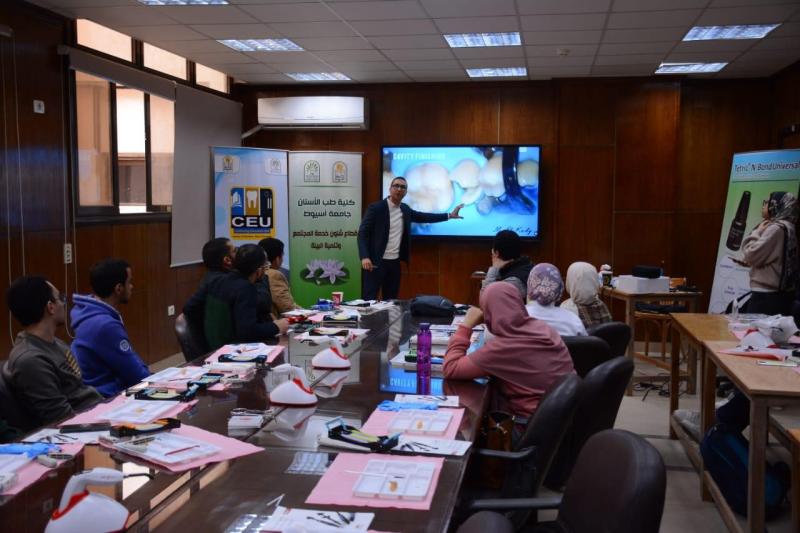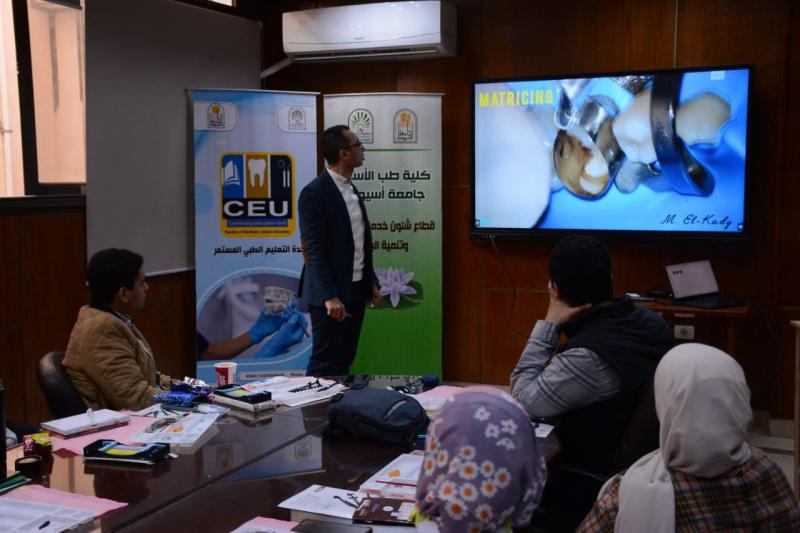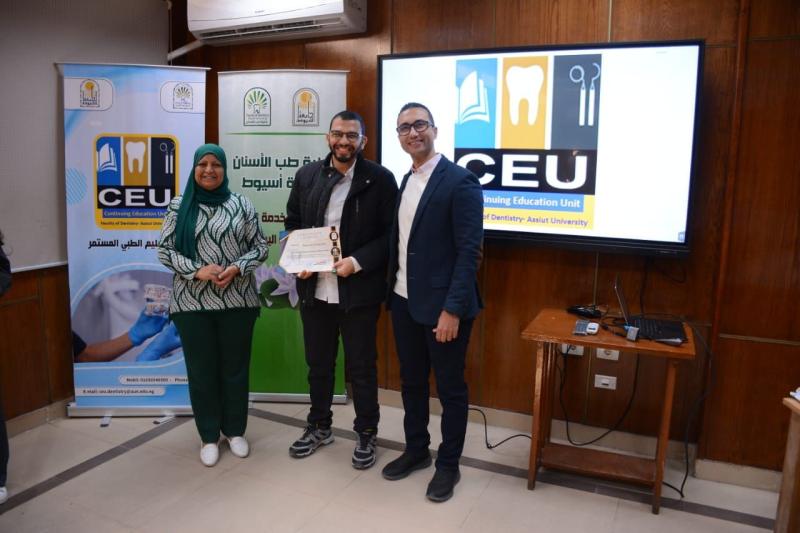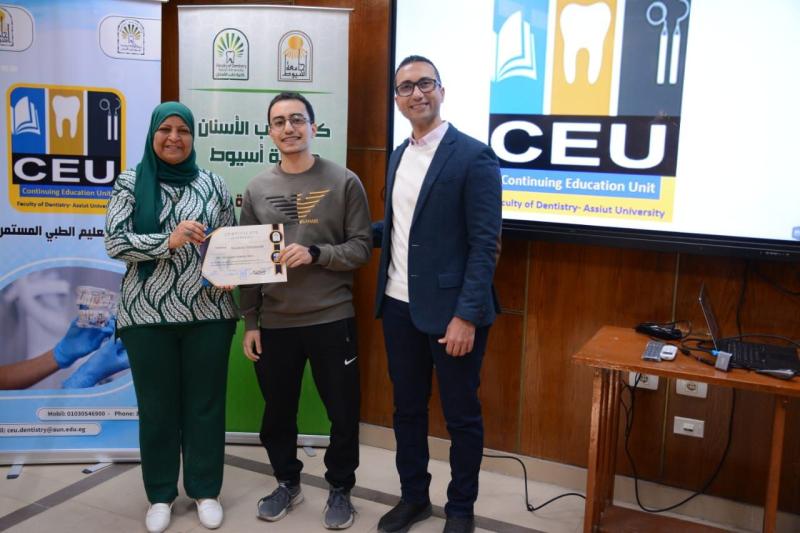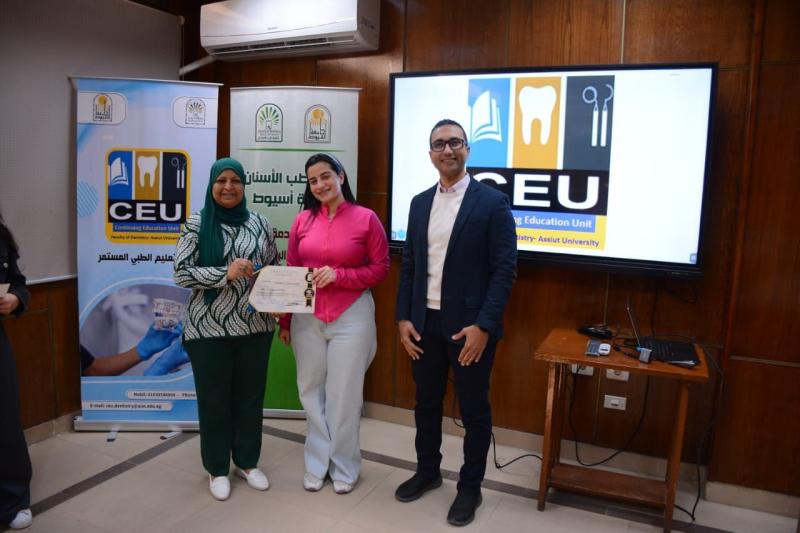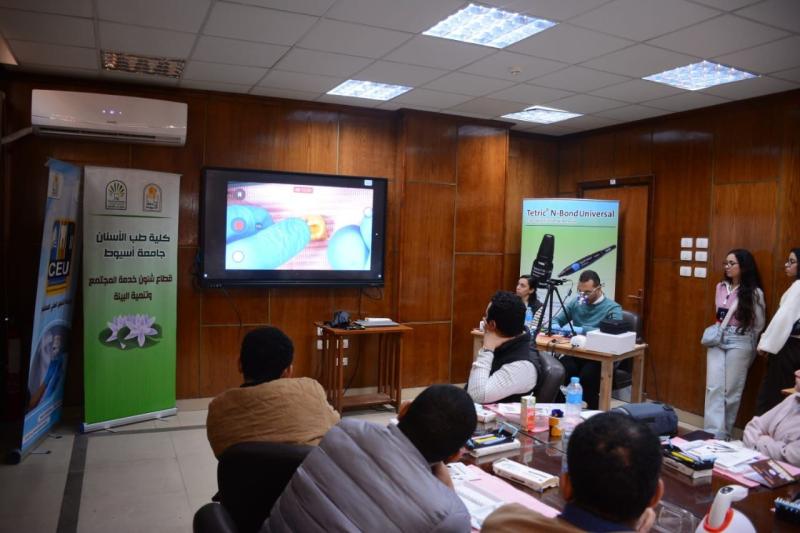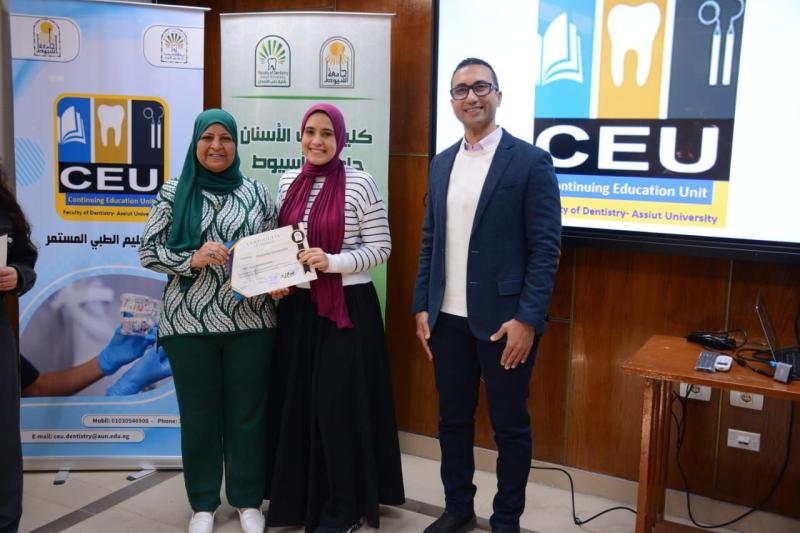
Announcement of the commencement of a comprehensive training program for first aid and emergency services.

بالتعاون مع قطاع خدمة المجتمع و تنمية البيئة بكلية الطب
يعلن قطاع خدمة المجتمع و تنمية البيئة بكلية طب الأسنان بالبدء في تنفيذ برنامج تدريبي متكامل للعاملين من مقدمي الخدمة الطبيه و الكادر الإداري و ذلك بهدف رفع كفاءتهم بما يسهم في تطوير جودة الخدمات الطبية و الإدارية


ك

Fracture Resistance of Occlusal Veneer on Premolar Teeth Using Two Different Preparation Designs

Research Abstract

Abstract:

Aim: The purpose of this study was to investigate the fracture resistance and marginal gap of two
different designs of occlusal veneers made of two different ceramic materials.

Materials and Methods: In this study, sixty recently extracted maxillary premolars were utilized. Two groups
of teeth were randomly selected based on the type of occlusal veneer material. (n =30 each). The
teeth in the first group were fixed using occlusal veneers made of advanced Lithium Disilicate,
(CEREC Tessera™, Dentsply Sirona, Germany)(T), whereas the polymer-infiltrated hybrid
ceramic was used for the occlusal veneer in the second group. (Vita Enamic, Vita Zahnfabrik,
Germany) (E). Each group was further subdivided into 2 subgroups (n =15 each) according to the
preparation design. Traditional occlusal reduction was used to prepare the teeth in the first
subgroup. (planner preparation)(P). In the second subgroup, the reduction of teeth included the
occlusal surface and 1 mm axial reduction with rounded shoulder finish line (modified = M). The
veneers were designed and manufactured using CAD/CAM technology. A universal testing
machine was used to measure the fracture resistance. A single static compressive load was applied
to each restoration along the tooth's long axis until fracture occurred. A single static compressive
load was applied to each restoration along the tooth's long axis until fracture occurred.

Results: The findings demonstrated that there was a statistically significant difference in the
fracture resistance of the two preparation designs of the two materials. (P≤ 0.05), the subgroups
of CEREC Tessera™, recorded, higher significant difference than Enamic in the two
preparations. The results of the statistical tests demonstrated that the relationship between the
2
preparation designs and materials, found to have a substantial impact on the fracture resistance
difference.

Conclusions: Selecting a particular preparation design should be linked to a thorough
understanding of the occlusal veneers' material properties. Both substances could be applied to
restorations involving occlusal veneers.. CEREC Tessera had a fracture resistance that gave better
values, qualitatively and quantitatively.

Research Authors
Ali Sayed Ali 1 Mahmoud Abdallah Mohammed Mekkey 2 Ahmed Bastawy 3
Research Date
Research Department
Research File
Research Journal
Al-Azhar Assiut Dental Journal
Research Member
Research Pages
59-70
Research Publisher
Al-Azhar Assiut Dental Journal
Research Rank
Local
Research Vol
8
Research Website
https://aadj.journals.ekb.eg/article_430329.html
Research Year
2025

Evaluation the efficiency of mechanical and/or chemical cleaning methods of endodontic sealer remanent of the pulp chamber dentine and its effect on the bond strength of composite restoration by micro tensile bond strength

Research Abstract

Abstract

Aim:  The current research intended to assess the efficiency of mechanical and/or chemical cleaning methods (Ultrasonic and/or Acetone) of endodontic sealer remanent on the pulp chamber dentine and its outcome on the bond strength with composite restoration to the pulp chamber by the micro tensile bond strength (μ-TBS), and its failure modes by stereomicroscopy. 

Method:  40 human permanent lower molars were selected to be used in this study. Every tooth has decoronated to 4 mm coronal to cementoenamel junction. The root canals were prepared via ProTaper Gold. ProTaper Gold obturators #F3 and AH Plus sealer were used for filling the canals. 2 mm apically of the occlusal gutta percha was removed to make a space for liner material. Glass ionomer restorative was used as liner material over the gutta percha to the level pulp chamber floor. The obturated teeth were then randomized divided into four identical test groups with 10 molars in every group. Group 1(Ultrasonic Cleaning) the sealer remnant was cleaned by Ultrasonic tip ET 20D, Group 2 (Acetone) the sealer remnant was cleaned by Acetone. Group 3 (Acetone / Ultrasonic) the sealer remnant was cleaned by both Acetone / Ultrasonic, and the Group 4 (Control) was not comminated with the sealer. All teeth were received Bulk Fill Restorative composite to fill the pulp chamber, the preparing the teeth for the μ-TBS test and determining the types of failure modes. 

Results: Group 1 (Ultrasonic Cleaning) had the greatest reported μ-TBS (38.50 ± 7.91)while the least μ-TBS was reported in Group 2 (Acetone) 31.80 ± 7.42 with statistically significant different (p = 0.007).On other hand Group 1(Ultrasonic Cleaning), and Group 3 (Acetone / Ultrasonic) showed results similar to the results of Control Group with non-statistically significant different (P > 0.05).  In concerning the distribution of failure mode, showed that the mixed-type failure mode (54%) was the most common one seen in Group 1 (Ultrasonic Cleaning), (51%) recorded in Group 4 (Control), (50%) recorded in Group 3 (Acetone / Ultrasonic), and the lowest was (39%) recorded in Group 2 (Acetone). While the distribution of adhesive failure mode was (45%) recorded in groups Group 2 (Acetone), (37%) recorded in Group 3 (Acetone / Ultrasonic), and (30%) recorded in both Group 1(Ultrasonic Cleaning) & Group 4 (Control).  

Conclusion: Mechanical removal of resin sealer remanent by Ultrasonic Cleaning gives good condition for increasing the μ-TBS of composite restoration to the pulp chamber dentine of endodontically treated molars.

Research Authors
Safwat Saber Elwaseef 1, Mahmoud El-Said Abd El-Aziz 2, Ahmed Ali Ezzeldine 3, Fahd M. Hadhoud 4, Karam Hamada Khalaf 5, Nasser Mohey Shehab 6, Nabil Abd Al Hameed Al Aggan 7, Galal Eldeen Mosaad Sadek 8, Osama Nasr Elden Eltobgy 9, Ali Sayed Ali Bayiumy
Research Date
Research Department
Research Journal
Frontiers in Health Informatics
Research Member
Research Publisher
Frontiers in Health Informatics
Research Rank
International
Research Vol
13
Research Website
https://healthinformaticsjournal.com/index.php/IJMI/article/view/578
Research Year
2025
Subscribe to