Development and Preliminary Validation of the Functional Empathy Educational Scale for Measuring Dental Educators' Empathy

Research Abstract

ABSTRACT

Objective

The study aimed to develop and validate the functional empathy educational scale (FEES), a novel instrument designed to assess empathy among dental educators.
Methods

A web-based questionnaire, including a cover letter and consent form, was distributed to dental educators across three countries. Statistical analyses were conducted to assess the scale's validity, reliability, and variations in empathy based on demographic and professional variables.

Results

The FEES demonstrated strong internal consistency (Cronbach's alpha = 0.80). Empathy levels varied significantly by gender, country, teaching experience, and dental specialty. Notably, 11% of educators exhibited the highest empathy levels, while 5% displayed the lowest. The majority (84%) showed moderate empathy. Female educators scored significantly higher in empathy compared to males (p < 0.001). Among the countries, the Kingdom of Saudi Arabia showed the highest empathy levels (p < 0.001), followed by Egypt and India (p = 0.76). No significant differences were identified concerning teaching experience (p = 0.184) or dental specialty (p = 0.377).

Conclusions

The FEES showed acceptable reliability and validity, positioning it as a valuable tool for evaluating empathy in dental and medical education settings.

Research Authors
Yasser R. Souror, Ali sayed Ali Bayiumy
Research Date
Research Department
Research Journal
Journal of Dental Education
Research Member
Research Pages
1580-1588
Research Publisher
Journal of Dental Education
Research Rank
International
Research Vol
98
Research Website
https://onlinelibrary.wiley.com/doi/abs/10.1002/jdd.13890
Research Year
2025

Microleakage at Occlusal Margins Versus Cervical Margins of Thermocycled Preheated Class V Resin Composite Restorations.

Research Abstract

ABSTRACT


Aim: to quantify the effect of presence of enamel wall and thermocycling on
marginal microleakage of class V cavities restored with preheated bulk-fill or preheated
nano-filled composite.

Methods: Class V cavities were prepared on the buccal surface
of forty-eight extracted maxillary first premolars. The teeth were divided into two groups
according to the type of preheated composite used (either bulk-fill or Nano-filled) and
further subdivided according to thermocycling or no thermocycling. The teeth were
immersed in 0.5% methylene blue dye solution for 24 hours at room temperature
and then sectioned buccolingually to examine the extent of microleakage by dye
penetration. Microleakage was assessed by a stereomicroscope at 40x magnification
and measured in micrometers depending on the extent of dye penetration for both
occlusal and gingival walls separately. Statistical analysis was done by Kruskal-Wallis
test for comparison between groups and Mann-Whitney test for comparing occlusal
and gingival dye penetration in each group.

Results: preheated Nano-filled composite
subjected to thermocycling showed more significantly microleakage than other groups
(P < 0.05). Microleakage was significantly more (P < 0.05) in gingival (cervical)
walls of teeth compared to occlusal walls in all groups except preheated Nano-filled
composite directed to thermocycling which showed no significant difference between
gingival and occlusal walls (P > 0.05).

Conclusions: thermocycling of preheated Nanofilled
composite produced more microleakage than thermocycling of preheated bulkfilled
composite. More microleakage was recorded in cervical areas than occlusal areas
of class V cavities.

Research Authors
Ahmed Ali Goda*1, Ali Sayed Ali2, Dina Ezzeldin Mohamed3
Research Date
Research Department
Research File
Research Journal
AL-AZHAR Assiut Dental Journal
Research Member
Research Pages
151-159
Research Publisher
AL-AZHAR Assiut Dental Journal
Research Rank
Local
Research Vol
6
Research Website
https://aadj.journals.ekb.eg/article_296430.html
Research Year
2023

The Effects of Different Chemical Disinfectants on the Strength, Surface, and Color Properties of Conventional and 3D-Printed Fabricated Denture Base Materials.

Research Abstract

Abstract:

Objectives: The disinfection of fabricated prostheses is crucial to prevent crossinfection
between dental laboratories and clinics. However, there is a lack of information
about the effects of chemical disinfection on 3D-printed denture base resins. This study
aimed to evaluate the impact of different disinfectants on the flexural strength, elastic
modulus, micro-hardness, surface roughness (Ra), and change in color of 3D-printed and
conventional heat-polymerized (HP) denture base resins (DBRs).

Methods: A total of
240 specimens (80 bar-shaped (64 × 10 × 3.3 mm) and 160 disk-shaped (10 × 2 mm))
were made from HP and 3D-printed DBRs. For each resin, the specimens were divided
into four groups (n = 10) according to the disinfectant solution. One remained in water
without disinfection as a control group, while the other three groups were disinfected
using 1% sodium hypochlorite, 2% glutaraldehyde, or 10% Micro 10+ for 30 min. The
flexural strength, elastic modulus, micro-hardness, Ra, and color change were measured.
The collected data were statistically analyzed using a two-way ANOVA and Tukey’s post
hoc test (α = 0.05).

Results: A significant decrease in flexural strength, elastic modulus, and
hardness was found with sodium hypochlorite (p < 0.05). When comparing the resins per
solution, the 3D-printed resin showed a significant decrease in flexural strength, elastic
modulus, and hardness compared with PMMA (p < 0.001), while no change was found in
the Ra of both resins with all disinfectants (p > 0.05). Disinfecting with sodium hypochlorite
resulted in a significant increase in color change for both resins (p < 0.05); however, all the
changes were within clinically acceptable limits. Sodium hypochlorite showed the highest
color change, while 2% glutaraldehyde and 10% Micro 10+ showed no significant changes
in the tested properties (p > 0.05).

Conclusions: Neither resin showed a change in surface
roughness with immersion in disinfectants. Sodium hypochlorite had an adverse effect on

Research Authors
Ahmed Fathey Elhagali 1,* , Mohamed Y. Sharaf 2,3, Mahmoud El-Said Ahmed Abd El-Aziz 4, Ali Sayed Ali Bayiumy 5 , Mahmoud Abdellah Ahmed Refaei 4 , Ahmed Hassan Al-Agamy 1, Ahmed Ali 4, Ahmed Elakel 6 , Raand Altayyar 7, Riham Alzahrani 7, Mohammed M. Gad
Research Date
Research Department
Research File
Research Journal
MDPI Journal
Research Member
Research Publisher
MDPI Journal
Research Rank
International
Research Vol
7
Research Website
https://www.mdpi.com/2673-1592/7/2/24
Research Year
2025

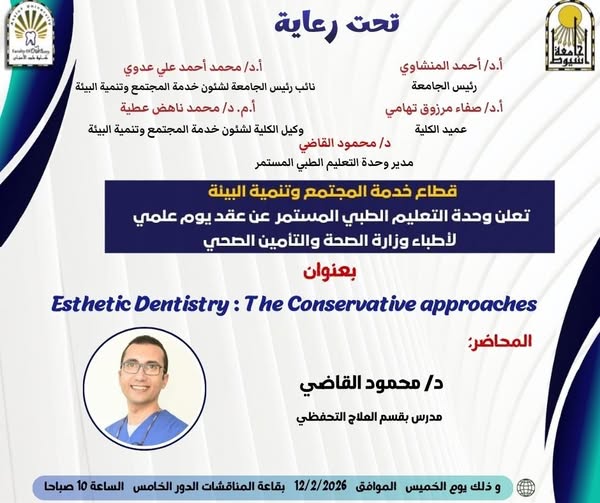
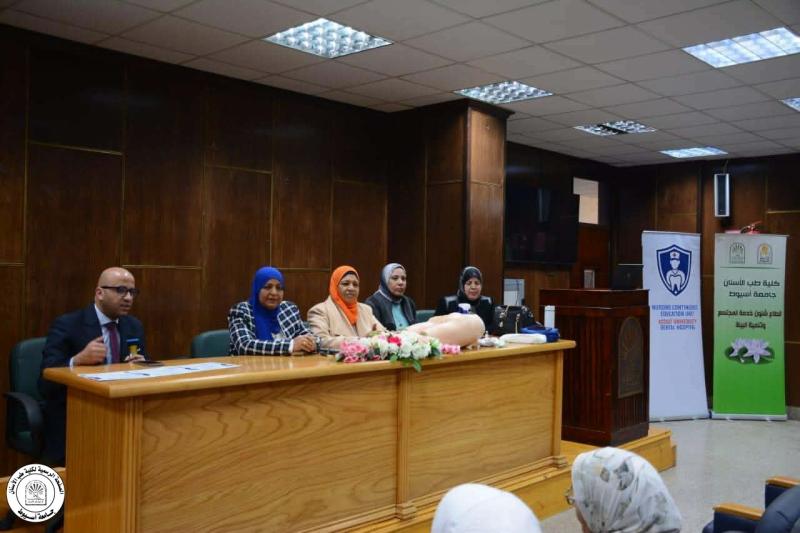
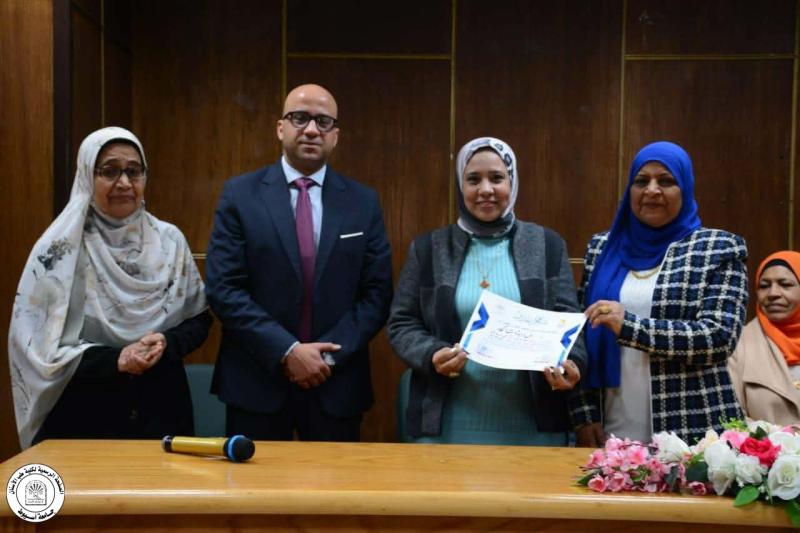
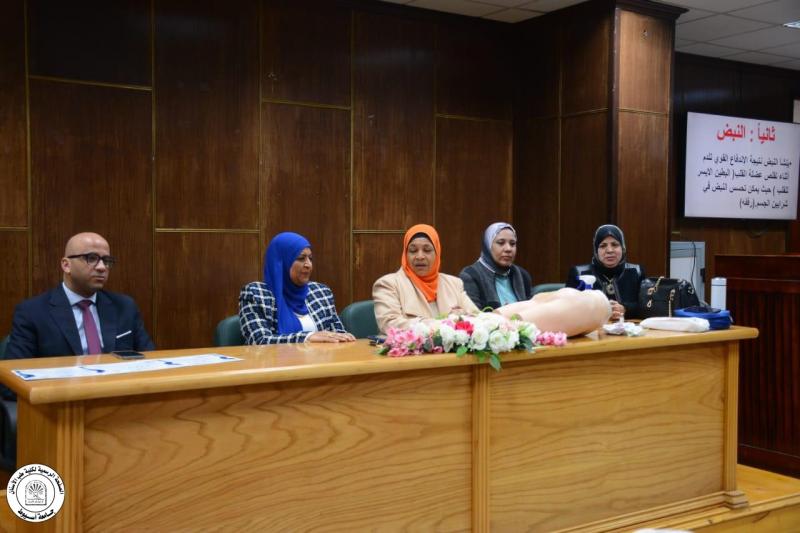
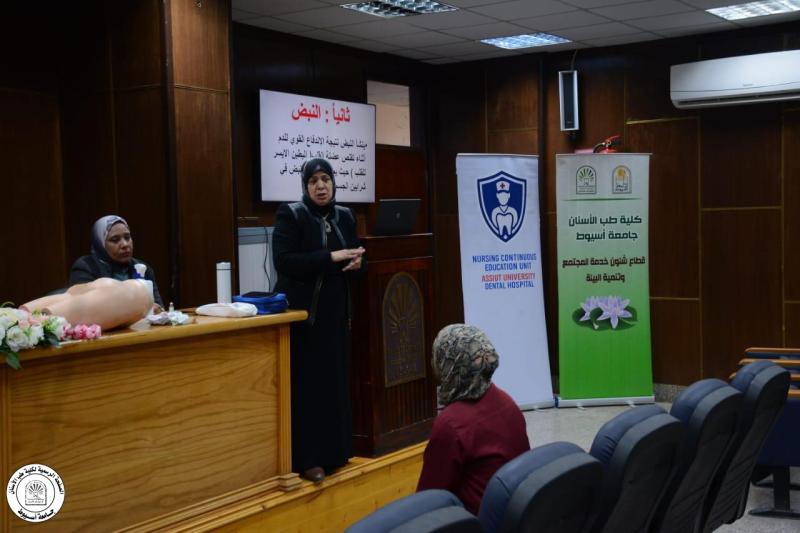
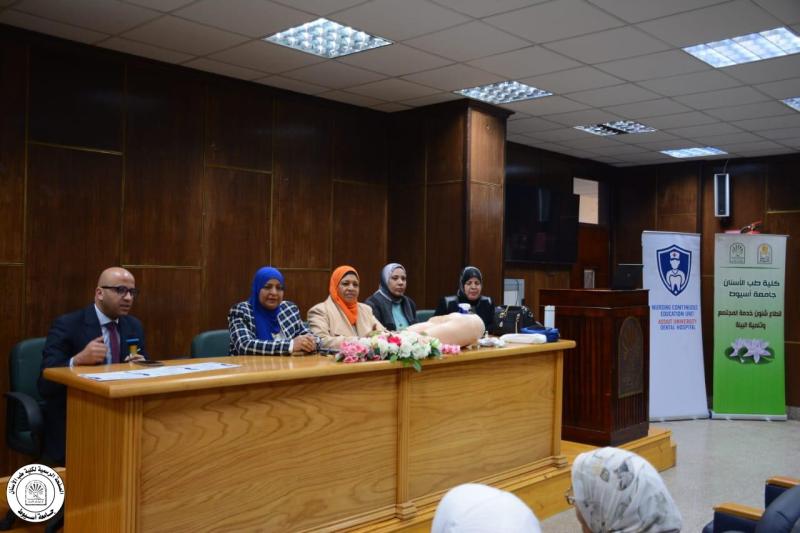
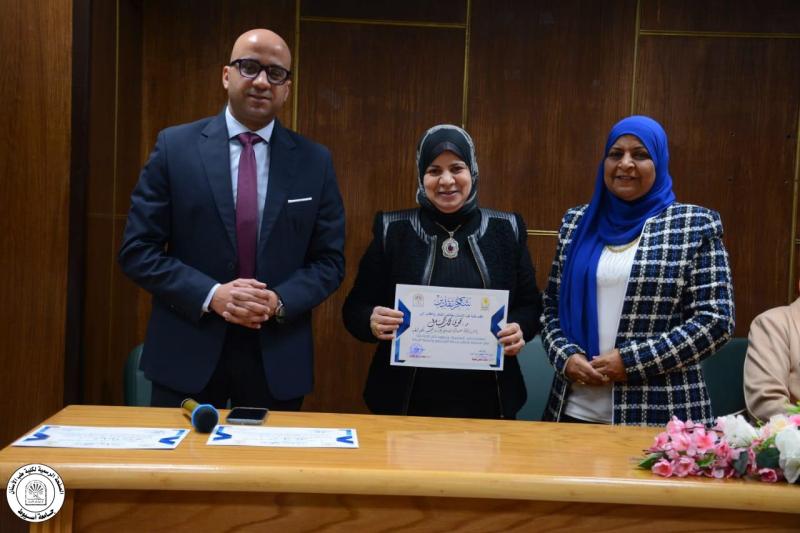
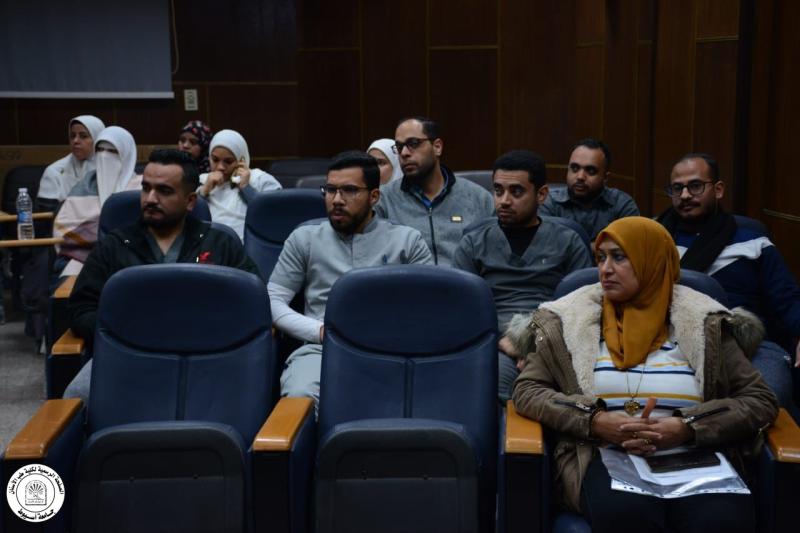
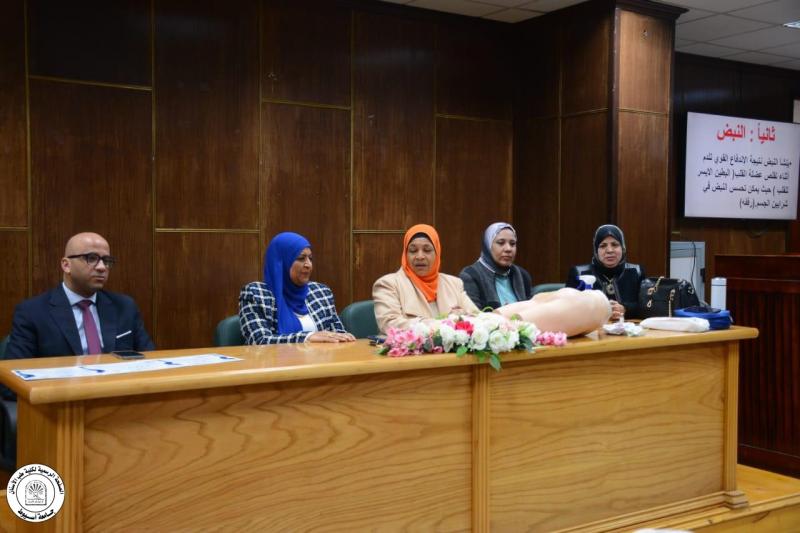
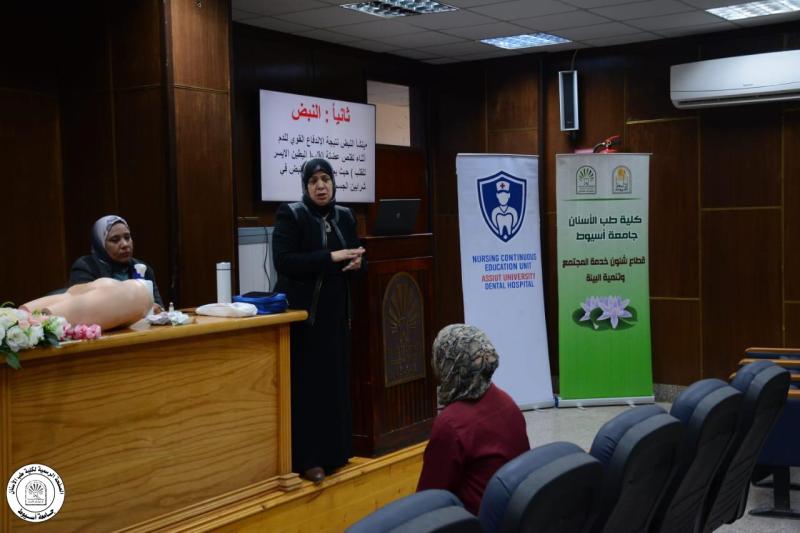
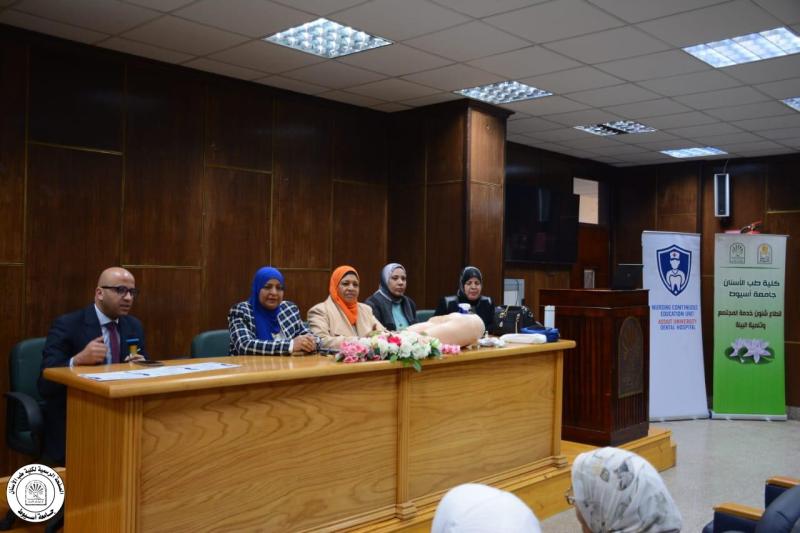
The second scientific day organized by the Continuing Medical Education Unit at the college for doctors of the Ministry of Health, Health Insurance and graduate doctors.

تحت رعاية

أ.د أحمد المنشاوي - رئيس الجامعه

أ.د محمد عدوي - نائب رئيس الجامعه لشئون خدمة المجتمع و تنمية البيئة

أ.د صفاء تهامي - عميد الكلية

‎أ.د محمد ناهض عطيه - وكيل الكلية لشئون خدمة المجتمع و تنمية البيئة

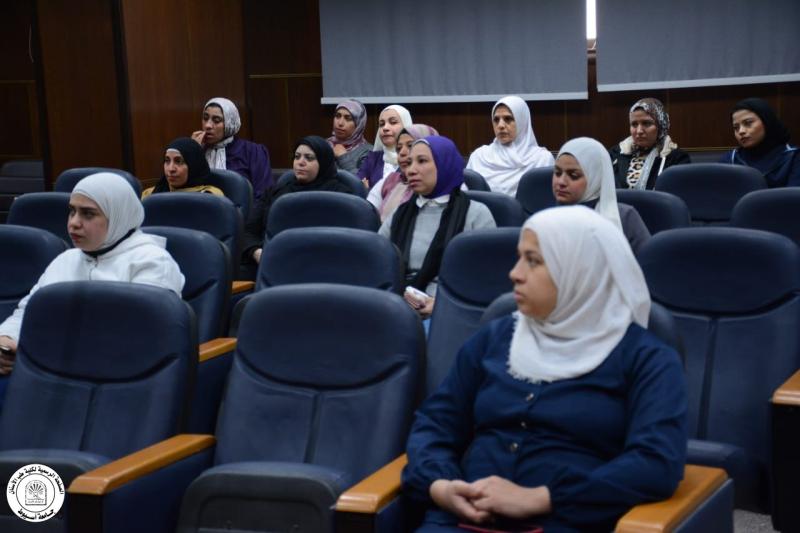
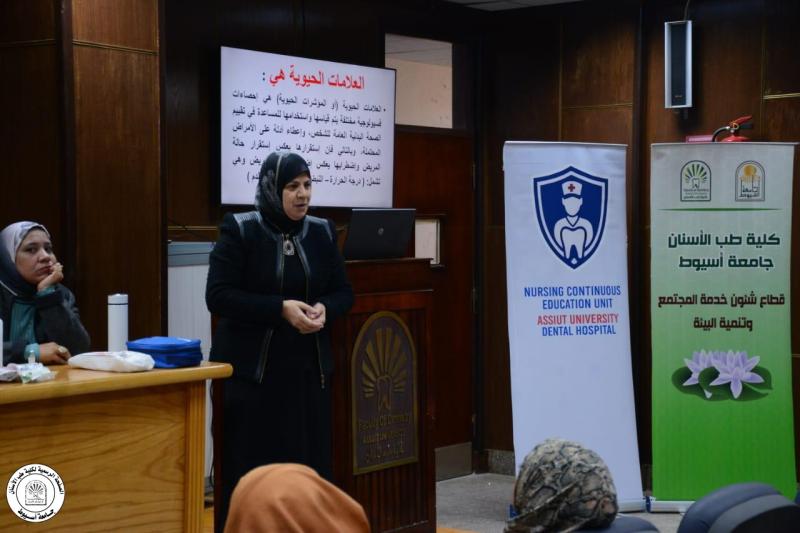
تم بحمدالله الإنتهاء من ثاني الأيام العلمية التي نظمتها وحدة التعليم الطبي المستمر بالكلية لأطباء وزارة الصحه و التأمين الصحي و الأطباء الخريجين.

يأتي هذا اليوم ضمن خطة قطاع خدمة المجتمع و تنمية البيئة بالكلية لعقد سلسلة من الأيام العلمية علي مدار العام الجامعي ٢٠٢٥ - ٢٠٢٦ في إطار دور الكلية المجتمعي لرفع كفاءة الأطباء الخريجين و تفعيلاً لبروتوكول التعاون بين مديرية الصحه و هيئة التأمين الصحي بالمحافظة

افتتح اليوم العلمي د/ محمود القاضي - مدير وحدة التعليم الطبي المستمر ، رحب سيادته بالحضور الكريم و ألقي سيادته الضوء علي أنشطة وحدة التعليم الطبي المستمر للعام الجامعي ٢٠٢٥ - ٢٠٢٦.

حاضر في هذا اليوم

أ.د. / رأفت عبد الرحمن تمام

أستاذ و رئيس قسم التركيبات الثابته

حيث القي سيادته محاضرة بعنوان

‏From Diagnosis to Intervention: Bruxism Protocols and Practical Treatment Approaches

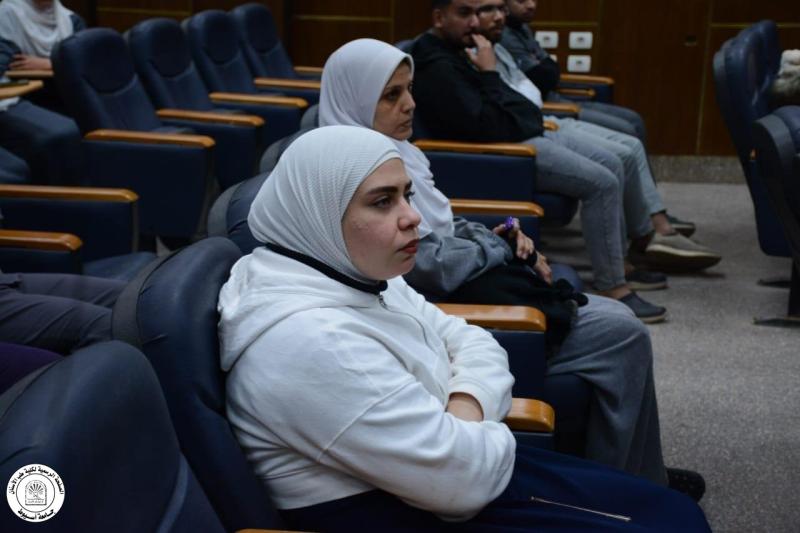
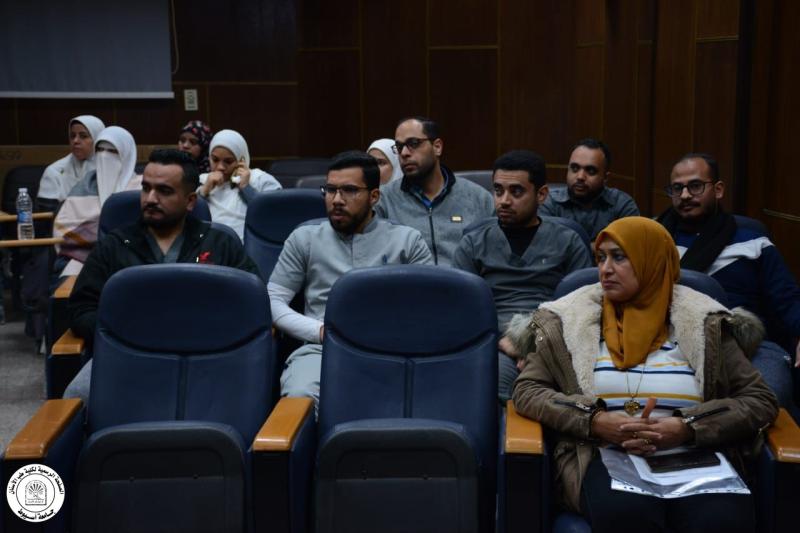
شهد اليوم حضور أكثر من خمسون طبيبا من وزارة الصحه و التأمين بالإضافه لأعضاء الهيئة المعاونه و أطباء الإمتياز بالكليه

دمتم في حفظ الله و آمنه

Comparative Evaluation of Nanohydroxyapatite and Fluoride Containing Toothpastes on Dentinal Tubules Occlusion

Research Abstract

ABSTRACT
 

Aim: This investigation was conducted to compare the impact of three distinct toothpastes on
mineral deposition and dentinal tubules occlusion.
 

Material and Methods: Sixty dentin samples were prepared from sixty extracted molar. The
samples demineralized by submerging in 6% citric acid for two minutes. Then assigned into three
groups (n=20) according to the three different toothpastes utilized: Group A1: Fluoride containing
toothpaste. Group A2: Nano-hydroxyapatite containing toothpaste. Group A3: Nano-hydroxyapatite
with Fluoride containing toothpaste. For a total of two weeks, brushing was repeated twice a day
with a 12-hour interval between each session. Each sample were quantitatively assessed the ion
concentrations (atom%) on the dentin surface using Energy-dispersive Analytical X-ray (EDAX)
and qualitatively examined the dentinal tubules occlusion using Scanning Electron Microscope
(SEM).
 

Results: The lowest mean value of (Ca) % was found in (A1). The lowest mean (P) % value
observed in (A1). The lowest mean value of (F) % was recorded in (A2), while the greatest mean
value was identified in (A1 and A3).
 

Conclusion: Toothpastes containing nano-hydroxyapatite, both with and without fluoride,
show similar effects on mineral deposition and blockage of dentinal tubules.

Research Authors
Amany Abdel-Rahman Mahmoud 1 Nermin Alsayed Mahmoud 2
Research Date
Research Department
Research Journal
EGYPTIAN DENTAL JOURNAL
Research Member
Research Pages
2773:2782
Research Publisher
EGYPTIAN DENTAL JOURNAL
Research Rank
Local
Research Vol
71
Research Website
https://edj.journals.ekb.eg/article_440870.html
Research Year
2025

Remineralisation Effect of Nano-Hydroxyapatite and Fluoride Containing Toothpastes on Artificial Enamel Caries (An In vitro Study)

Research Abstract

ABSTRACT

Aim: This investigation was carried out to assess and evaluate the remineralization ability of
artificial enamel carious lesions by (n-HAP) tooth paste in comparison with (F) tooth paste.
 

Material and Methods: sixty healthy extracted teeth, the roots were cut and sectioning
crowns. The samples were placed in acrylic resin blocks, covered with nail varnish except a 3x3
mm of exposed enamel. The samples were divided into three groups based on the toothpaste
used: GA1 (n-hap), GA2 (F) and GA3 (n-hap+ F). The initial enamel lesion was produced using
a demineralizing solution. Applying toothpaste for 30 cycles twice daily, and washing them under
running water. In pH-cycling models, samples were demineralized twice daily for three hours,
followed by a two-minute treatment with a remineralizing agent slurry twice daily over a 24-hour
cycle. After two weeks and one month of brushing, specimens were examined utilizing (EDAX)
and (SEM).
 

Results: At baseline and after demineralization, there was no statistically significant difference
found between the three tested toothpastes, respectively, while after 2 weeks, the statistical analysis
showed G A1 (n-hap) was significantly higher than of GA2 (F) and GA3 (n-hap+ F). After 1 month,
there was a statistically significant difference as G A1 (n-hap) was significantly higher than GA2
(F) and GA3 (n-hap+ F).
 

Conclusions: Nanohydroxyapatite-containing toothpaste exhibits superior remineralizing
potential as compared to fluoride-containing toothpaste

Research Authors
Jihad Ahmed Salah* and Nermin Alsayed Mahmoud** ABSTRACT
Research Date
Research Department
Research Journal
EGYPTIAN DENTAL JOURNAL
Research Member
Research Pages
3493:3505
Research Publisher
EGYPTIAN DENTAL JOURNAL
Research Rank
Local
Research Vol
71
Research Website
https://edj.journals.ekb.eg/article_458896.html
Research Year
2025

The Community Service and Environmental Development Sector at the Faculty of Dentistry announces the success of a free pediatric dental treatment caravan at the Pediatric Dentistry Department of the hospital on Wednesday and Thursday, November 19th and 20

تحت رعاية

أ.د أحمد المنشاوي - رئيس الجامعه

أ.د محمد عدوي - نائب رئيس الجامعه

لشئون خدمة المجتمع و تنمية البيئة

أ.د صفاء تهامي - عميد الكلية

أ.د محمد ناهض عطيه - وكيل الكلية لشئون خدمة المجتمع و تنمية البيئة

بالتعاون مع مؤسسة مصر الخير و شركة ميديستا لمستلزمات الأسنان ، قطاع خدمة المجتمع و تنمية البيئه بكلية طب الأسنان يعلن نجاح قافله لعلاج أسنان الأطفال بالمجان بقسم طب أسنان الأطفال بمستشفي طب الأسنان الجامعي يومي الأربعاء و الخميس الموافق ١٩ و ٢٠ نوڤمبر

تم بحمد الله استقبال و تقديم الخدمات العلاجيه و التوعوية لأكثر من ٣٥٠ طفل

خالص الشكر و التقدير و العرفان لمعالي الأستاذ الدكتور / محمد عدوي نائب رئيس الجامعة لشئون خدمة المجتمع و تنمية البيئة علي دعمه بزيارة القافله، … حيث أثني سيادته علي التنظيم و الخدمات التي قدمتها القافلة و التعاون المثمر بين قطاع خدمة المجتمع و تنمية البيئة بالكلية و مؤسسات المجتمع المدني المتمثله في مؤسسة مصر الخير

خالص الشكر و التقدير و العرفان لكل من ساهم في هذا الحدث

- أعضاء هيئة التدريس و الهيئة المعاونه بقسم طب أسنان الأطفال

- فريق عمل مؤسسة مصر الخير المتميز دائما

- أطباء الإمتياز

- هيئة التمريض

- فنيين الأشعة

- هيئة الصيانه الطبيه

- ادارة مكافحة العدوي

- عمال الخدمات

- ادارة الأمن

دمتم في حفظ الله و امنه

ك

ك

ك

ك

The Faculty of Dentistry extends its sincerest congratulations and best wishes to Professor Dr. Raafat Abdel Rahman Tamam

تتقدم أسرة كلية طب الأسنان بخالص التهاني والتبريكات إلى

الأستاذ الدكتور/ رأفت عبد الرحمن تمام

رئيس قسم الاستعاضة السنية المثبتة،

وذلك بمناسبة اختياره ضمن قوائم المحكّمين لفحص الإنتاج العلمي لترقيات الأساتذة والأساتذة المساعدين-لجنة الاستعاضة الصناعية للدورة (2025-2028م )بالمجلس الأعلى للجامعات.

سائلين الله له دوام التوفيق والسداد، ومزيدًا من التميز والنجاح في مسيرته العلمية والأكاديمية.

ك

ك


Subscribe to